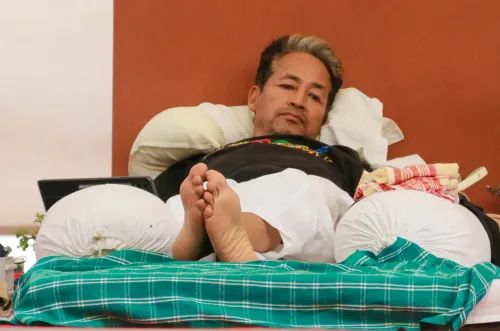
Delhi HC to hear Sonam Wangchuk hospitalisation plea on Sunday

Synopsis
An urgent Sunday hearing at the Delhi High Court puts a spotlight on the contested hospitalisation of climate activist Sonam Wangchuk — with his wife alleging forced removal from a protest site, a disputed potassium reading, and denied access to medical records. The case raises sharp questions about state authority over a citizen's medical autonomy during an ongoing hunger strike.
Key Takeaways
Angmo , wife of Sonam Wangchuk , has filed an urgent writ petition before the Delhi High Court challenging his hospitalisation at Safdarjung Hospital .
The hearing is scheduled before Justice Mini Pushkarna on Sunday, 19 July , a court holiday.
The petition alleges Wangchuk was removed from Jantar Mantar without his consent, without family notice, and without a medical emergency.
A reported discrepancy in potassium readings — 4.3 mg (pre-transfer), 2.9 mg (hospital), 3.6 mg (independent test) — is central to the family's concerns.
Safdarjung Hospital says his vitals are stable but blood parameters are 'marginally altered', requiring continuous multidisciplinary care.
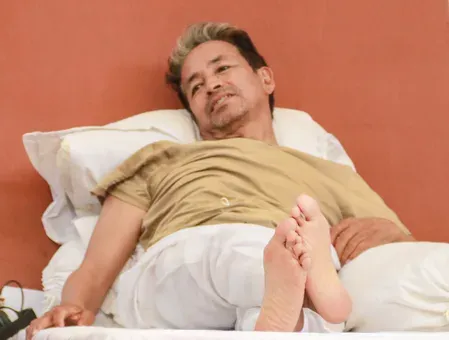
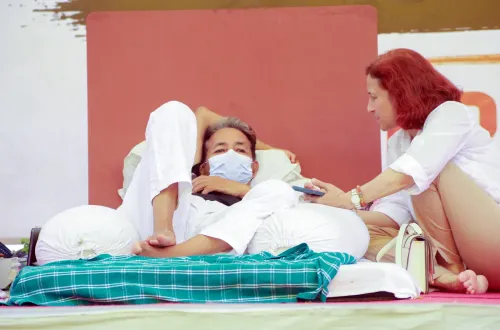
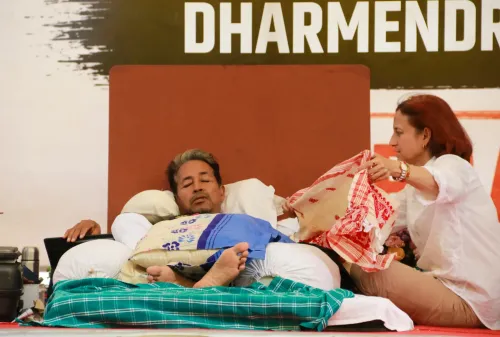
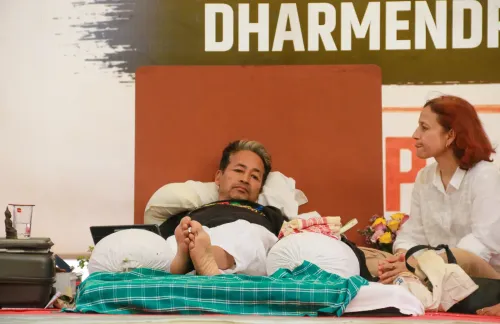
Wangchuk has been on an indefinite hunger strike since 28 June over alleged NEET-UG irregularities and demanding the resignation of Education Minister Dharmendra Pradhan .
Gitanjali J. Angmo, wife of educationist and climate activist Sonam Wangchuk, has moved the Delhi High Court challenging her husband's continued confinement at Safdarjung Hospital, with an urgent hearing scheduled before Justice Mini Pushkarna on Sunday, 19 July, despite it being a court holiday. The petition seeks Wangchuk's immediate discharge and transfer to a hospital of the family's choice.
What the Petition Alleges
Angmo's writ petition contends that Wangchuk was forcibly removed from the protest site at Jantar Mantar on Saturday morning and shifted to Safdarjung Hospital without his consent and without any prior intimation to his family, despite the absence of a medical emergency warranting such action. The plea has sought a declaration that his continued hospitalisation is unconstitutional.
The petition has also prayed for unrestricted access to Wangchuk's legal counsel and the doctors who had been monitoring his health during his hunger strike. It further alleged that authorities have repeatedly refused requests to shift him to another hospital and have denied the family complete access to his medical records, blocking any independent health assessment.
The Potassium Discrepancy at the Centre of the Row
A key contention in the plea concerns a reported discrepancy in Wangchuk's blood potassium levels. According to the petition, his potassium was recorded at 4.3 mg during a medical examination conducted on Friday. After he was shifted to Safdarjung Hospital, the family was allegedly informed the level had dropped sharply to 2.9 mg, prompting medical intervention.
The family subsequently received a blood sample — reportedly nearly 10.5 hours after requesting it — and had it independently tested. That test allegedly returned a potassium reading of 3.6 mg, raising concerns over discrepancies between the hospital's figures and the independent result.
What the Hospital Says
In its latest health bulletin issued on Sunday, Safdarjung Hospital stated that Wangchuk's vital parameters are presently stable, but that his blood parameters remain 'marginally altered', necessitating continuous medical care under close supervision by a multidisciplinary team. Doctors from VMMC & Safdarjung Hospital and AIIMS are of the opinion that round-the-clock clinical monitoring is essential to detect and manage any potential complications arising from prolonged fasting.
Authorities have maintained that the transfer from Jantar Mantar on Saturday was undertaken in compliance with earlier directions of the Delhi High Court and on the advice of medical experts.
Background: The Hunger Strike and Earlier Court Proceedings
Wangchuk has been on an indefinite hunger strike since 28 June, in solidarity with students protesting alleged irregularities in the NEET-UG examination and demanding the resignation of Union Education Minister Dharmendra Pradhan. He joined the agitation at Jantar Mantar after the protest campaign was launched on 20 June.
The latest petition follows a Division Bench of Chief Justice Devendra Kumar Upadhyaya and Justice Tejas Karia disposing of an earlier PIL on Wangchuk's deteriorating health, after recording the Centre's assurance — given by Solicitor General Tushar Mehta — that his condition would be monitored daily by government doctors and that all necessary medical intervention would be undertaken as required. The court had observed that 'the life of every citizen is precious and all efforts ought to be made by the authorities to protect it.'
All attention now turns to the hearing before Justice Mini Pushkarna, where the court will determine whether Wangchuk's hospitalisation can continue against his and his family's wishes.
Point of View
If borne out, would be a serious credibility blow to the hospital's account. Notably, the Centre's earlier assurance to the court that his health would be monitored has now become the very legal basis cited for the transfer he and his family contest. That creates an uncomfortable circularity that Justice Mini Pushkarna will have to unpick. The broader pattern — of courts being drawn into managing protest-related health crises — reflects a governance gap that goes well beyond this case.
NationPress
18 Oct 2026
Frequently Asked Questions
Why has Sonam Wangchuk's wife approached the Delhi High Court?
Gitanjali J. Angmo has filed a writ petition challenging Wangchuk's continued confinement at Safdarjung Hospital, alleging he was shifted there without his consent or family notification and without a genuine medical emergency. The petition seeks his immediate discharge and transfer to a hospital of the family's choice.
What is the potassium discrepancy alleged in the petition?
The petition claims Wangchuk's potassium level was 4.3 mg on Friday, but after his transfer to Safdarjung Hospital the family was told it had dropped to 2.9 mg. An independent test on a blood sample obtained 10.5 hours later reportedly showed a level of 3.6 mg, raising concerns about inconsistencies in the official medical reports.
What is Sonam Wangchuk protesting about?
Wangchuk has been on an indefinite hunger strike since 28 June in solidarity with students demanding accountability over alleged irregularities in the NEET-UG examination and calling for the resignation of Union Education Minister Dharmendra Pradhan. He joined the Jantar Mantar protest after it was launched on 20 June.
What did Safdarjung Hospital say about Wangchuk's condition?
In a health bulletin issued on Sunday, Safdarjung Hospital said Wangchuk's vital parameters are currently stable but his blood parameters remain 'marginally altered', requiring continuous care by a multidisciplinary team including doctors from AIIMS. The hospital maintains round-the-clock monitoring is medically necessary.
What was the Delhi High Court's earlier role in this matter?
A Division Bench of Chief Justice Devendra Kumar Upadhyaya and Justice Tejas Karia had earlier disposed of a PIL on Wangchuk's health after Solicitor General Tushar Mehta gave the Centre's assurance that daily monitoring by government doctors would be ensured. Authorities have cited that court direction as the basis for his transfer to Safdarjung Hospital.