Delhi HC clears Sonam Wangchuk's shift to Medanta, formal order pending
Synopsis
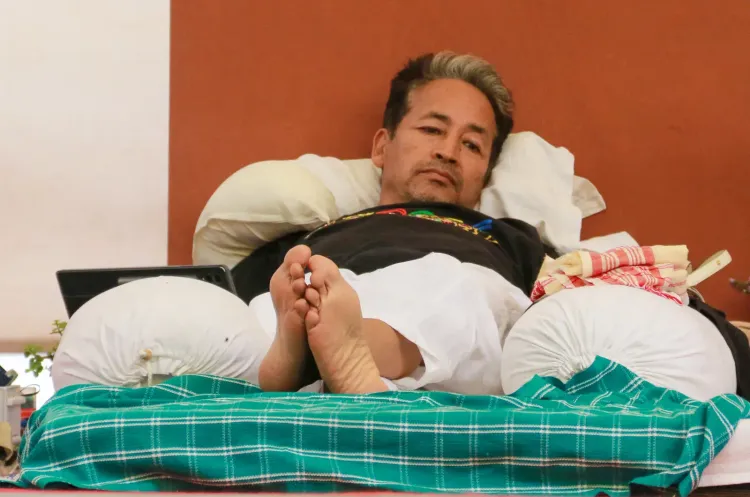
The Delhi High Court cut through a medical and legal standoff on Tuesday, clearing activist Sonam Wangchuk's move from Safdarjung to Medanta — even as the Centre warned his TLC had fallen to a dangerously low 2.9. With a hunger strike dating back to 28 June and the NEET controversy still unresolved, Wangchuk's health has become a flashpoint that courts, the government, and civil society are all watching.
Key Takeaways
The Delhi High Court on 21 July permitted Sonam Wangchuk to be transferred from Safdarjung Hospital to Medanta Hospital , his hospital of choice.
A Division Bench led by Chief Justice Devendra Kumar Upadhyaya directed Medanta's director to constitute a panel of doctors to oversee Wangchuk's treatment.
Solicitor General Tushar Mehta disclosed that Wangchuk's Total Leukocyte Count (TLC) had fallen to 2.9 , warning of risk of shock, infection, or organ failure.
The Centre raised no objection to the transfer but urged the court to bar discharge without treating doctors' approval.
Wangchuk has been on an indefinite hunger strike since 28 June over alleged NEET-UG irregularities and demanding the resignation of Union Education Minister Dharmendra Pradhan .
The hearing arose from an appeal by Wangchuk's wife, Dr Gitanjali J.
Angmo , after a single judge declined to order the transfer on Sunday.
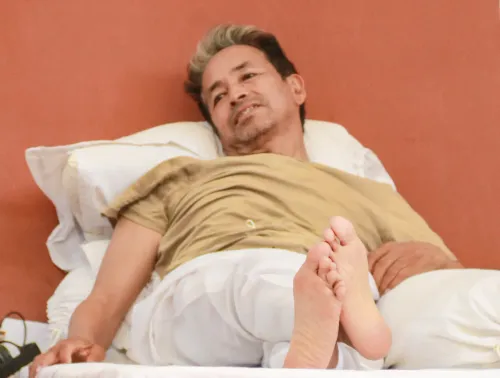
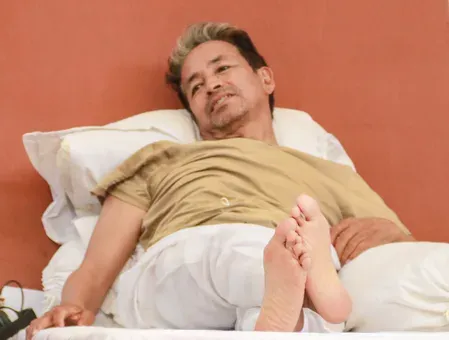
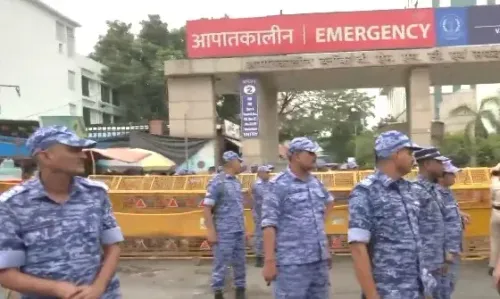
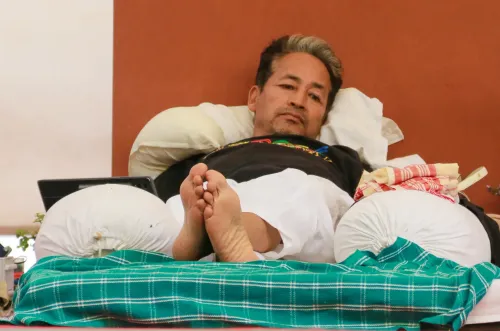
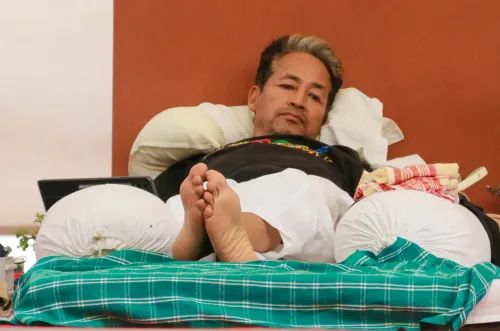
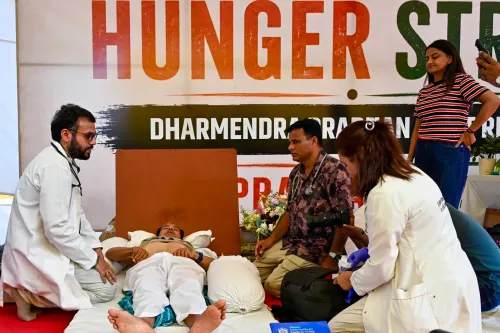
The Delhi High Court on Tuesday, 21 July permitted climate activist Sonam Wangchuk to be transferred from Safdarjung Hospital to Medanta Hospital, after a bench of doctors from AIIMS, Safdarjung, and Wangchuk's personal physicians reached broad agreement that his condition required continuous medical monitoring. A formal order was to be issued after the lunch break.
What the Court Directed
A Division Bench led by Chief Justice Devendra Kumar Upadhyaya and Justice Tejas Karia said Wangchuk would be moved to the hospital of his choice and that a panel of doctors be constituted by the director of Medanta to oversee his care. 'What we propose to do is get him shifted to the hospital of his choice, that is Medanta. He will be treated by a Medanta doctor. All treatment details at Safdarjung Hospital will be supplied to Medanta immediately, and he will be treated there. A panel of doctors to be formed by the director of Medanta,' the bench stated.
Centre's Position and Medical Concerns
Solicitor General Tushar Mehta, representing the Centre and Delhi Police, told the bench that the government had no objection to the transfer, but urged the court to record that Wangchuk should not be discharged from Medanta without the approval of treating doctors. Mehta flagged that Wangchuk's Total Leukocyte Count (TLC) had dropped to 2.9 — a level he described as a matter of serious concern, warning it could lead to shock, infection, or multiple organ failure. 'The government's only concern was Wangchuk's health,' he submitted.
Mehta also contended that people around Wangchuk were pressing for his discharge irrespective of his medical state. The bench declined to engage with that line of argument: 'We will not go into all that. Do not drag the Court into all that.'
Wangchuk's Counsel Pushes Back
Senior advocate Akhil Sibal, appearing for Wangchuk, relied on reports from doctors who had monitored him for years, arguing there was no immediate threat to his life and that prolonged hospitalisation was not medically warranted. Sibal also placed before the bench a letter written by Wangchuk describing his experience at Safdarjung Hospital, including concerns over police presence, restrictions on phone access, and surveillance.
Background: Appeal and Earlier Rulings
The Division Bench was hearing an appeal filed by Wangchuk's wife, Dr Gitanjali J. Angmo, against a single-judge order that had refused to direct his transfer to a private hospital. On Sunday, a single-judge bench of Justice Mini Pushkarna had declined interim relief, holding that the government's decision to shift Wangchuk from the Jantar Mantar protest site to Safdarjung on account of his deteriorating health could not be termed arbitrary. Justice Pushkarna had noted that only oral medication was being administered with his consent and that his wife, brother, and brother-in-law had unrestricted access to him.
On Monday, the Division Bench had directed the Safdarjung Hospital director to place all medical records on file, including pathological reports from Safdarjung, AIIMS, and a private laboratory, and had asked the treating doctors to be present in court on Tuesday.
Why Wangchuk Is Hospitalised
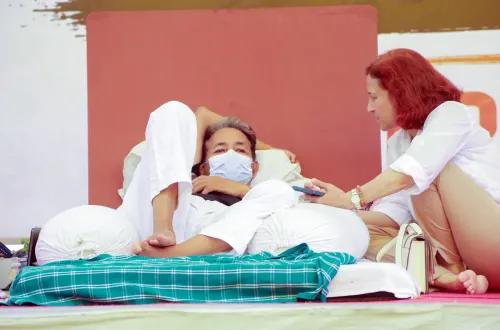
Wangchuk has been on an indefinite hunger strike since 28 June in solidarity with students protesting alleged irregularities in the NEET-UG examination and demanding the resignation of Union Education Minister Dharmendra Pradhan. He was shifted from the Jantar Mantar protest site to Safdarjung Hospital on Saturday after his health deteriorated. The case has drawn national attention, sitting at the intersection of civil liberties, medical ethics, and the ongoing NEET controversy. How the Medanta panel manages his care — and whether Wangchuk continues his hunger strike — will be closely watched in the days ahead.
Point of View
Who decides the terms of that care? The Centre's warning about Wangchuk's TLC of 2.9 is clinically significant, but the bench's refusal to entertain arguments about people 'around Wangchuk' pressing for discharge signals judicial discomfort with the government conflating medical concern with protest management. That the case required a Division Bench to resolve what should have been a straightforward patient-choice question points to how politically charged the NEET controversy has become. The real test now is whether Wangchuk's transfer to Medanta defuses the standoff — or whether his hunger strike, now in its fourth week, escalates further.
NationPress
21 Jul 2026
Frequently Asked Questions
Why did the Delhi High Court allow Sonam Wangchuk's transfer to Medanta?
The Delhi High Court allowed the transfer on 21 July after doctors from AIIMS, Safdarjung Hospital, and Wangchuk's personal physicians reached a broad consensus that his condition required constant medical monitoring. The court said he would be shifted to the hospital of his choice, Medanta, with a dedicated panel of doctors overseeing his treatment.
What is Sonam Wangchuk's current medical condition?
Solicitor General Tushar Mehta disclosed in court that Wangchuk's Total Leukocyte Count (TLC) had fallen to 2.9, which he described as a matter of serious concern that could lead to shock, infection, or multiple organ failure. Wangchuk's own doctors, however, argued there was no immediate threat to his life and that prolonged hospitalisation was not necessary.
Why is Sonam Wangchuk on a hunger strike?
Wangchuk began an indefinite hunger strike on 28 June in solidarity with students protesting alleged irregularities in the NEET-UG examination and demanding the resignation of Union Education Minister Dharmendra Pradhan. He was shifted from the Jantar Mantar protest site to Safdarjung Hospital after his health deteriorated.
Who filed the appeal that led to Tuesday's Delhi High Court hearing?
Wangchuk's wife, Dr Gitanjali J. Angmo, filed the appeal challenging a single-judge order by Justice Mini Pushkarna that on Sunday had declined to direct his transfer to a private hospital, holding that the government's decision to hospitalise him was not arbitrary.
What conditions did the Centre place on Wangchuk's transfer to Medanta?
The Centre, represented by Solicitor General Tushar Mehta, stated it had no objection to the transfer but urged the court to record that Wangchuk should not be discharged from Medanta without the approval of treating doctors. The court was expected to incorporate this condition in its formal order.