Delhi L-G Sandhu calls Yamuna restoration a civilisational priority at National Technology Day
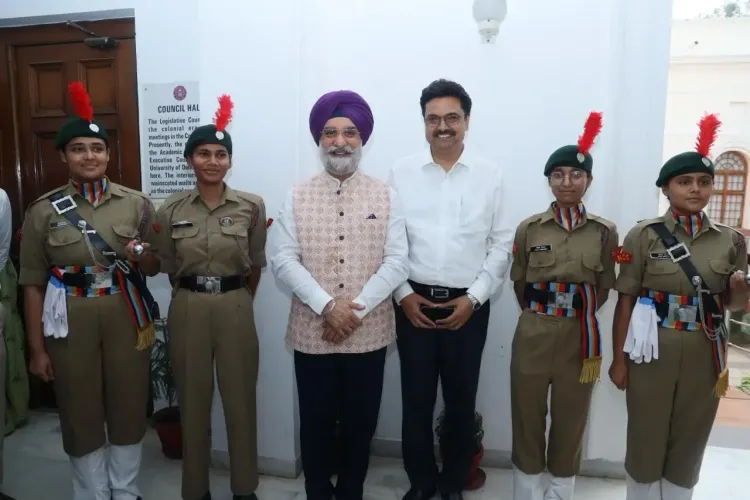
Synopsis
Delhi Lieutenant Governor T.S. Sandhu used National Technology Day to lay out a sweeping vision for India's urban future — from AI-powered disease surveillance to Yamuna restoration and unified transit — framing science and governance as inseparable partners in building a sustainable, self-reliant Delhi.
Key Takeaways
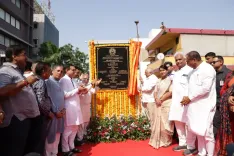
Sandhu spoke at the National Technology Day event organised by Indraprastha Vigyan Bharati at the Vice Regal Lodge, University of Delhi on 11 May 2025 .
He described the restoration of the Yamuna as a "civilisational priority" and a critical ecological imperative.
Sandhu called for AI-driven early-warning systems using predictive sampling and PCR testing to combat diseases like Dengue and Malaria proactively.
He advocated decentralised waste management , source segregation, and local composting to ease pressure on landfills.
The L-G envisioned real-time GPS transit systems and common transit cards to improve last-mile connectivity and reduce pollution.
He stressed that innovation must be combined with responsibility, and modernity with sustainability, to define India's scientific rise.
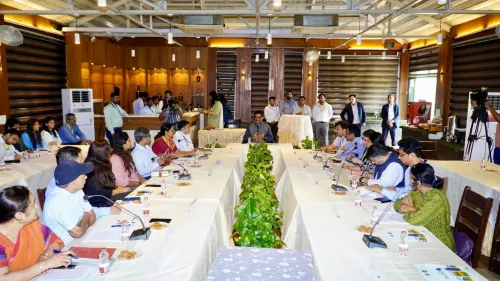
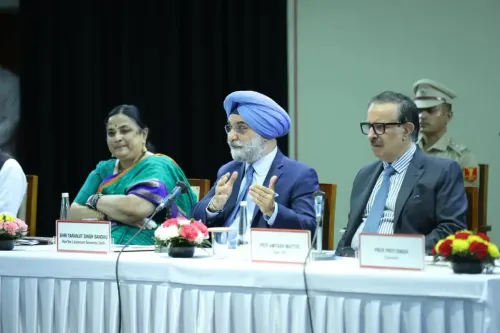
Delhi Lieutenant Governor T.S. Sandhu on Monday, 11 May described the restoration of the Yamuna as a "civilisational priority" and said the integration of technology, sustainability, and self-reliance will define the future of India's urban landscape. He was speaking at the National Technology Day event organised by Indraprastha Vigyan Bharati at the Vice Regal Lodge, University of Delhi.
Science and Governance as Partners
Addressing scientists, academicians, and students, Sandhu identified scientific research and intellectual confidence as the primary drivers of an Atmanirbhar Bharat. He underlined that the partnership between science and governance is essential for creating responsive and efficient civic solutions, stressing that big achievements in nation-building ultimately require patience, discipline, and the courage to innovate.
AI-Driven Public Health Infrastructure
The Lieutenant Governor shared insights on a technology-driven public health model and called for the creation of AI-driven early-warning systems to transform Delhi's healthcare infrastructure. "By utilising predictive sampling, PCR testing, and AI forecasting for illnesses like Dengue and Malaria, the city can transition from reactive measures to a proactive healthcare model," he said. The proposal reflects a broader push to move technology out of the laboratory and into frontline public services.
Ecological Restoration and Waste Management
Stressing ecological restoration, Sandhu said urban sustainability is essential for quality of life. He highlighted the Yamuna's restoration as a critical ecological and civilisational priority, and advocated scientific interventions in decentralised waste management, source segregation, and local composting to reduce pressure on landfills and bolster urban greenery. With the rise of urban heat islands and water scarcity, he urged urban planners and scientific institutions to collaborate on climate-smart approaches and expand green infrastructure.
Integrated Urban Mobility
On the subject of integrated urban mobility, Sandhu said Delhi's transformation will depend on intelligent traffic management and unified mobility solutions. He envisioned a commuter experience defined by real-time GPS transit systems, common transit cards, and strengthened last-mile connectivity to reduce congestion and pollution.
Innovation Rooted in Human Values
Reflecting on India's ancient scientific traditions, the Lieutenant Governor remarked that modern progress must remain rooted in social purpose and human values. He noted that organisations like Vigyan Bharati serve as a vital bridge between academia, research labs, and society. "Your generation will shape how India advances in AI, biotechnology, and clean energy. Our true strength lies in combining innovation with responsibility and modernity with sustainability. That balance will define the future of India's scientific rise," Sandhu said. The remarks signal growing emphasis at the governance level on science-led urban policy as Delhi confronts compounding environmental and infrastructure challenges.
Point of View
Ecological restoration, and urban mobility into a single policy vision in one speech. Yet the gap between vision and execution in Delhi is well-documented: the Yamuna has been the subject of cleanup pledges for over three decades without transformative results. The call for AI-driven dengue surveillance is timely, but Delhi's fragmented civic architecture — split between the L-G's office, the elected government, and multiple municipal bodies — remains the structural bottleneck that no technology alone can resolve. Whether these ideas translate into inter-agency action or remain aspirational rhetoric will be the real test.
NationPress
24 Sept 2026
Frequently Asked Questions
What did Delhi L-G T.S. Sandhu say at National Technology Day 2025?
Delhi Lieutenant Governor T.S. Sandhu called Yamuna's restoration a civilisational priority and urged the integration of technology, sustainability, and self-reliance to shape India's urban future. He spoke at the National Technology Day event organised by Indraprastha Vigyan Bharati at the Vice Regal Lodge, University of Delhi, on 11 May 2025.
What AI-driven health system did Delhi L-G propose?
Sandhu called for AI-driven early-warning systems using predictive sampling and PCR testing to forecast and combat diseases like Dengue and Malaria. He said this would help Delhi shift from a reactive to a proactive public healthcare model.
What is the L-G's vision for Delhi's urban mobility?
The Lieutenant Governor envisioned a unified mobility system featuring real-time GPS transit, common transit cards, and improved last-mile connectivity to reduce congestion and pollution across Delhi.
Why is Yamuna restoration considered a civilisational priority?
Sandhu described the Yamuna as a critical ecological and civilisational landmark whose degradation reflects broader failures in urban environmental governance. Restoring it, he argued, is essential not just for ecology but for Delhi's identity and quality of life.
What role did Sandhu assign to organisations like Vigyan Bharati?
He described organisations like Vigyan Bharati as a vital bridge between academia, research laboratories, and society, helping translate scientific advances into socially purposeful outcomes rooted in human values.