Delhi LG Sandhu orders campus safety overhaul after DU protests
Synopsis
Days after Delhi University students hit the streets over rising crimes against women, LG Taranjit Singh Sandhu convened a city-wide campus security review — ordering CCTV integration, plainclothes surveillance, a student safety app, and an inter-college women's safety committee. The real question is whether this flurry of directives, his second in under a week, will translate into implementation on the ground.
Key Takeaways
Delhi LG Taranjit Singh Sandhu chaired a high-level campus security review on 5 October 2026 , involving Vice-Chancellors, Delhi Police , PWD , MCD , and the Transport Department .
Sandhu directed enhanced police patrolling, elimination of dark spots, and CCTV integration along student approach roads.
A dedicated student safety application with emergency alerts, GPS location sharing, and real-time reporting has been ordered.
A dedicated nodal police officer is to be assigned to each college for prompt response to complaints of eve-teasing and sexual misconduct.
An inter-college women's safety committee for Delhi University's North and South campuses has been directed.
The review follows DU student protests and the alleged gang rape of a 17-year-old girl near Kalkaji in southeast Delhi.
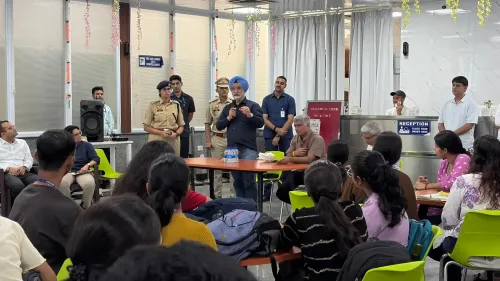
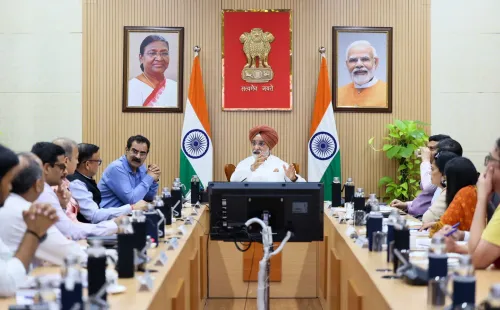
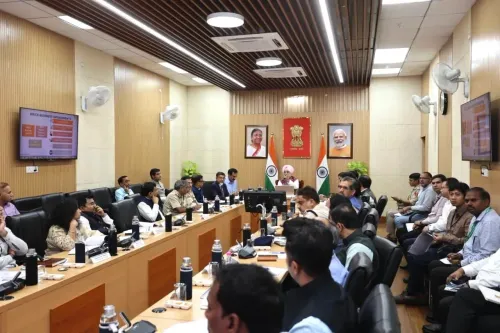
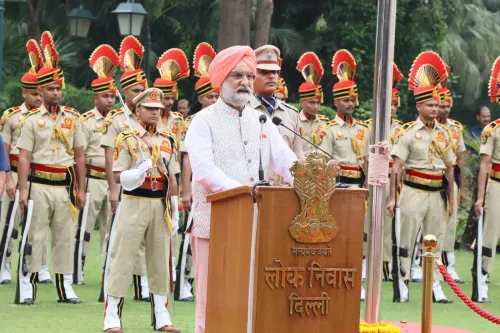
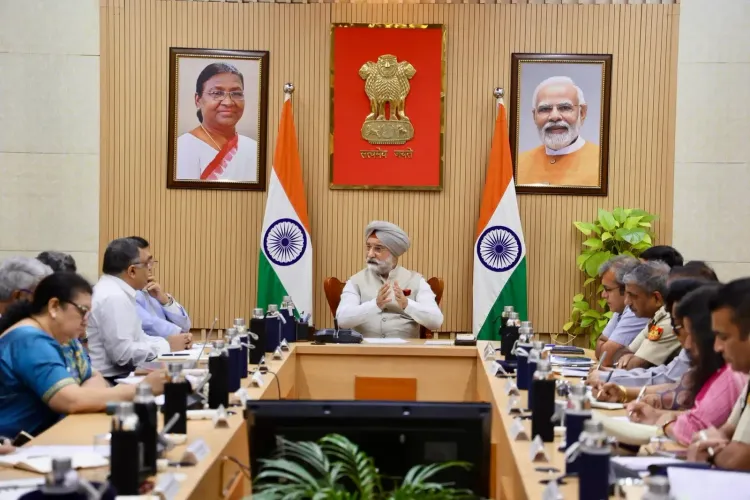
Delhi Lieutenant Governor Taranjit Singh Sandhu on Monday, 5 October 2026, chaired a high-level review meeting focused on strengthening security across university campuses in the national capital, with particular emphasis on the safety of female students. The meeting, held at Raj Niwas, brought together Vice-Chancellors and Directors of universities administered by the Government of the National Capital Territory of Delhi (GNCTD), along with senior officials from the Delhi Police, Public Works Department (PWD), Municipal Corporation of Delhi (MCD), and the Transport Department.
Key Directives Issued
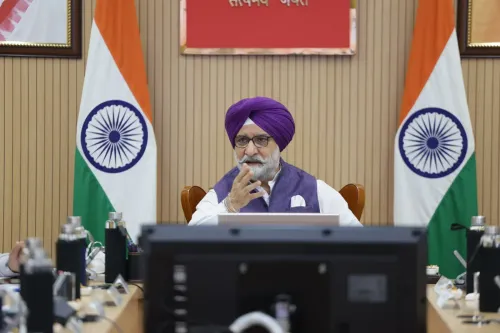
Following the meeting, LG Sandhu posted on X, calling student safety a 'non-negotiable' priority and outlining a multi-pronged action plan. He directed strengthened coordination among multiple agencies, encompassing enhanced police patrolling, elimination of dark spots, CCTV integration along approach roads, improved last-mile transport connectivity, and comprehensive safety audits of student accommodations.
'Directed strengthened multi-agency coordination covering enhanced police patrolling, elimination of dark spots, CCTV integration along approach roads, improved last-mile transport connectivity and comprehensive safety audits of student accommodations,' Sandhu said in his post.
'We must ensure that every young person — especially our daughters — can pursue education in Delhi with confidence, dignity and a sense of security. A safe, vibrant and dignified environment for our youth is foundational to our vision of a Viksit Dilli,' he added.
Context: DU Protests and Rising Safety Concerns
The review comes days after students of Delhi University (DU) intensified protests over a spate of crimes against women in the capital. Demonstrators took to the streets carrying posters and placards, demanding accountability over incidents of sexual violence and questioning restrictions imposed on women. The unrest follows the alleged gang rape of a 17-year-old girl in a park near the Kalkaji area of southeast Delhi — an incident that triggered widespread outrage.
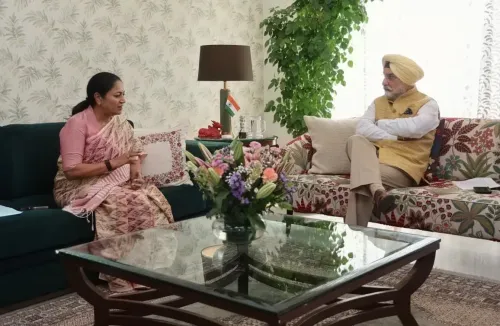
This is not Sandhu's first intervention on the issue. On 30 September, he met with principals of women's colleges affiliated with Delhi University, directing agencies to improve street lighting, expand CCTV coverage, and increase police patrolling around college campuses. He also directed the nomination of a dedicated nodal police officer for each college to ensure prompt action on complaints related to eve-teasing, obscene flashing, and other safety concerns.
Infrastructure and Tech Measures Ordered
According to a Lok Niwas note, the latest round of directions includes the deployment of plainclothes surveillance personnel and the establishment of an emergency response mechanism for faster intervention in student safety cases. Sandhu also ordered the removal of stationary buses parked near colleges, noting that such vehicles can create obstructed and isolated stretches that potentially compromise student safety.
Officials were further directed to develop a dedicated student safety application equipped with emergency alerts, GPS-based location sharing, and real-time reporting of safety concerns — a digital layer to complement on-ground policing.
Inter-College Women's Safety Committee
Among the institutional measures, Sandhu directed the setting up of an inter-college women's safety committee covering colleges in the North and South campuses of Delhi University, aimed at improving coordination on female student safety. Representatives from several prominent DU women's colleges attended — including Lady Shri Ram College for Women (LSR), Miranda House, Lady Irwin College, Jesus & Mary College, Daulat Ram College, Laxmibai College, Gargi College, Mata Sundri College, Janki Devi Memorial College, and Indraprastha College.
What Comes Next
With safety audits, CCTV expansion, nodal police officers, and a student safety app all now directed, the onus shifts to implementation by the Delhi Police, PWD, MCD, and the university administrations. The pace and thoroughness of follow-through will determine whether this review meeting translates into measurable change for students — or remains another round of directives awaiting execution.
Point of View
Plainclothes deployment, a student safety app, and inter-college committees are meaningful tools. But Delhi has seen rounds of safety directives before, particularly after high-profile crimes against women, with implementation frequently lagging. The critical variable is not the meeting or its minutes — it is whether the Delhi Police, PWD, and MCD are held to verifiable timelines. Without a public accountability mechanism and follow-up audit, the risk is that these measures join a familiar pattern of post-crisis announcements that dissipate before they reach students on the ground.
NationPress
5 Oct 2026
Frequently Asked Questions
What did Delhi LG Taranjit Singh Sandhu direct at the campus safety review on 5 October?
Sandhu directed strengthened multi-agency coordination covering enhanced police patrolling, elimination of dark spots, CCTV integration along approach roads, improved last-mile transport, and comprehensive safety audits of student accommodations. He also ordered the development of a dedicated student safety app with emergency alerts and GPS-based location sharing.
Why was the campus safety review called?
The review was called in the wake of rising incidents of crime against women in Delhi, including the alleged gang rape of a 17-year-old girl near Kalkaji, which triggered protests by Delhi University students demanding accountability and better safety measures.
What is the inter-college women's safety committee ordered by Delhi LG?
LG Sandhu directed the formation of an inter-college women's safety committee covering colleges in Delhi University's North and South campuses. It is designed to improve coordination between institutions on issues related to female student safety.
Who attended the 5 October campus safety meeting?
The meeting was attended by Vice-Chancellors and Directors of GNCTD-administered universities, senior Delhi Police officers, and officials from the PWD, MCD, and Transport Department. Representatives from prominent Delhi University women's colleges — including LSR, Miranda House, Gargi College, and others — were also present.
What earlier safety measures did Delhi LG direct for women's colleges?
On 30 September, Sandhu met principals of Delhi University women's colleges and directed improvements to street lighting, CCTV coverage, and police patrolling around campuses. He also ordered the deployment of plainclothes surveillance personnel and the nomination of a nodal police officer for each college.