Delhi Metro Diwali timings: Last train at 10 pm on November 8
Synopsis
Delhi Metro is pulling its last Diwali train forward by a full hour — to 10 pm on 8 November — while simultaneously starting three lines an hour earlier that morning. The timing change lands on the same day Delhi's AQI hit 382 and CAQM pre-emptively triggered GRAP Stage-III, casting a smog shadow over the festivities.
Key Takeaways
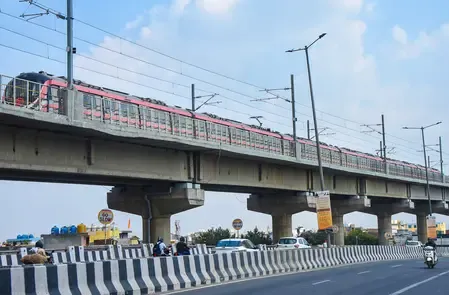
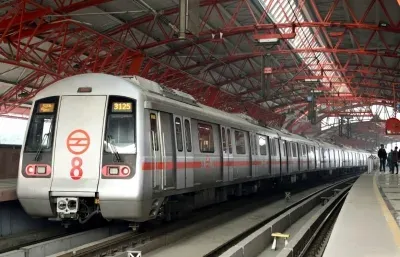
The DMRC has moved the last train departure on Diwali, 8 November , to 10 pm from all terminal stations, including the Airport Express Line .
The Pink Line , Magenta Line , and Grey Line will start services at 6 am — one hour earlier than their usual 7 am Sunday start.
Passengers are advised to check the DMRC website and official social media handles for updates before travelling.
The CAQM invoked GRAP Stage-III across Delhi-NCR on 6 November after the capital's AQI reached 382 ('very poor'), ahead of the usual 400 threshold.
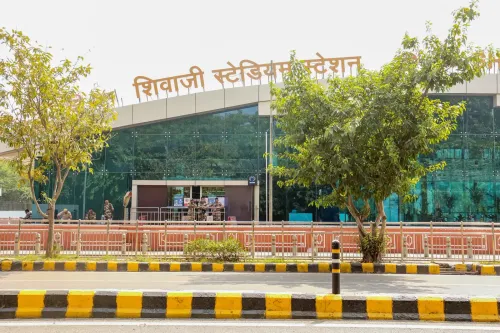
DMRC previously extended services to midnight on 30 October for the Diljit Dosanjh concert at Jawaharlal Nehru Stadium .
The Delhi Metro Rail Corporation (DMRC) on Friday, 6 November 2026, announced revised train timings for Diwali on 8 November, with the last departure from all terminal stations — including the Airport Express Line — advanced to 10 pm, one hour earlier than the usual 11 pm cut-off. Commuters are advised to plan their journeys accordingly ahead of the festival.
Key Changes to Metro Timings
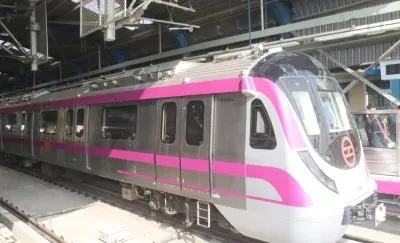
The revised schedule applies to every metro line in the network. Since 8 November falls on a Sunday, three lines that ordinarily begin services at 7 am on Sundays will start an hour earlier at 6 am from their terminal stations. These are the Pink Line (Majlis Park–Majlis Park/Shiv Vihar), the Magenta Line (Botanical Garden–Krishna Park Extension and Majlis Park–Deepali Chowk), and the Grey Line (Dwarka Kakrola–Dhansa Bus Stand).
The earlier start on those three lines is intended to accommodate morning travel demand during the festival, while the earlier last-train departure is a precautionary measure linked to the heightened security and crowd-management requirements of the night.
DMRC's Advice to Passengers
The corporation urged commuters to check the DMRC website and its official social media handles for real-time updates before travelling on Diwali. With large sections of Delhi expected to be on the move for family gatherings and celebrations, the metro network is likely to see heightened footfall throughout the day and evening of 8 November.
Notably, this is not the first time DMRC has adjusted its timetable for a major event. On 30 October, the corporation extended services until midnight to ease the movement of spectators attending the Aura India Tour 2026 concert by singer Diljit Dosanjh at Jawaharlal Nehru Stadium, demonstrating a pattern of reactive scheduling around high-footfall occasions.
Pollution Concern Looms Over Diwali
The metro timing revision comes against a backdrop of worsening air quality in the capital. The Commission for Air Quality Management (CAQM) on Friday invoked Stage-III of the Graded Response Action Plan (GRAP) across Delhi and the entire National Capital Region (NCR), after the city's Air Quality Index (AQI) reached 382 — placing it firmly in the 'very poor' category.
While GRAP Stage-III is conventionally triggered when AQI hits 400 (the 'severe' threshold), the pollution board acted as a precautionary measure two days before Diwali, anticipating a further spike from firecracker emissions. The move will impose additional restrictions on construction activity, diesel generator use, and certain categories of vehicles across the NCR.
What Travellers Should Know
Passengers using the metro on 8 November should note that boarding the last train will only be possible up to 10 pm from terminal stations, meaning journey completion times from intermediate stations will be correspondingly earlier. Those heading to late-night gatherings are advised to either board well before 10 pm or arrange alternative transport for the return leg. The DMRC has not indicated any extension of services beyond the revised window for the festival night.
Point of View
But it effectively shortens the festival window for millions of Delhiites who rely on the metro for late-evening travel home. The simultaneous invocation of GRAP Stage-III — two AQI points short of the official trigger — signals that authorities are bracing for a severe air quality event post-Diwali, not merely a 'very poor' one. The twin announcements together paint a picture of a city trying to celebrate under self-imposed constraints, navigating a tension between festival tradition and environmental accountability that Delhi has yet to resolve.
NationPress
6 Nov 2026
Frequently Asked Questions
What are Delhi Metro timings on Diwali 2026?
On Diwali, 8 November 2026, the last train will depart from all terminal stations — including the Airport Express Line — at 10 pm, one hour earlier than the usual 11 pm. The Pink Line, Magenta Line, and Grey Line will also begin services at 6 am instead of the regular 7 am Sunday start.
Which Delhi Metro lines have changed timings on Diwali?
All metro lines are affected by the earlier last-train change (10 pm instead of 11 pm). Additionally, the Pink Line (Majlis Park–Shiv Vihar), Magenta Line (Botanical Garden–Krishna Park Extension and Majlis Park–Deepali Chowk), and Grey Line (Dwarka Kakrola–Dhansa Bus Stand) will start one hour earlier at 6 am on 8 November.
Why has DMRC advanced the last train time on Diwali?
The DMRC has not given a specific operational reason in its statement, but advancing the last train is consistent with its practice of adjusting schedules around high-footfall or late-night public events. Passengers are advised to plan their return journeys well before 10 pm.
What is GRAP Stage-III and why was it invoked before Diwali?
GRAP Stage-III is a set of pollution-control restrictions under the Graded Response Action Plan, normally triggered when Delhi's AQI hits 400 (the 'severe' threshold). The Commission for Air Quality Management invoked it early on 6 November as a precautionary measure after Delhi's AQI reached 382 ('very poor'), anticipating further deterioration from Diwali firecracker use.
Where can commuters check updated Delhi Metro schedules for Diwali?
The DMRC has advised passengers to visit its official website and follow its verified social media handles for the latest updates on Diwali train timings and any further changes to the schedule on 8 November.