Delhi protests may put ₹4,000 crore in trade at risk over 10 days: BJP MP
Synopsis
BJP MP and CAIT chief Praveen Khandelwal has put a rupee figure on Delhi's protest pain — up to ₹4,000 crore in business at risk over 10 days, right in the middle of the festive-wedding season. With daily turnover exposure estimated at ₹440 crore at peak disruption, the warning frames an increasingly contested question: when does the right to protest begin to infringe on the right to trade?
Key Takeaways
BJP MP Praveen Khandelwal warned on 18 October that Delhi protests could put ₹4,000 crore in business at risk over 10 days .
Delhi's estimated average daily business turnover is approximately ₹2,200 crore ; disruption at 20% would affect ₹440 crore daily.
Protests are being held against the Election Commission of India (ECI) and CEC Gyanesh Kumar over the Special Intensive Review (SIR) of electoral rolls.
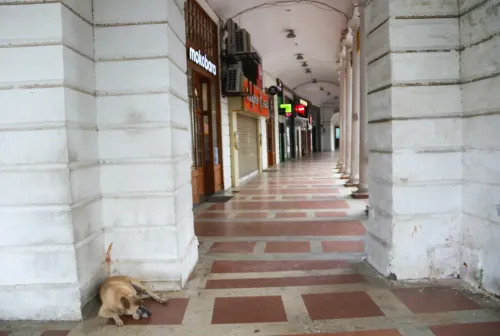
Market closures and road blockades are disrupting logistics, footfall and commercial activity across the capital.
The disruptions coincide with the October–January festive and wedding season — one of India's busiest trading periods.
Khandelwal clarified the ₹4,000 crore figure is an indicative estimate of business at risk, not verified actual losses.
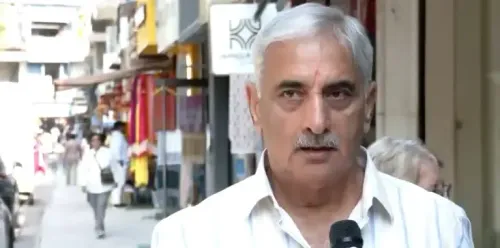
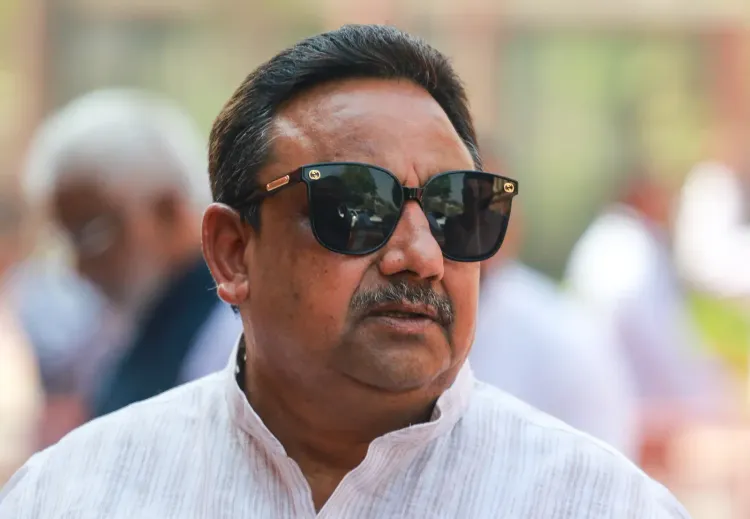
Praveen Khandelwal, Bharatiya Janata Party (BJP) Member of Parliament from Chandni Chowk and Secretary General of the Confederation of All India Traders (CAIT), on Sunday, 18 October, warned that ongoing protests in New Delhi could put business transactions worth over ₹400 crore a day at risk — with cumulative exposure potentially reaching ₹4,000 crore over 10 days if disruptions persist at the higher end. The alert comes as Delhi enters one of its busiest commercial periods of the year.
What Is Driving the Protests
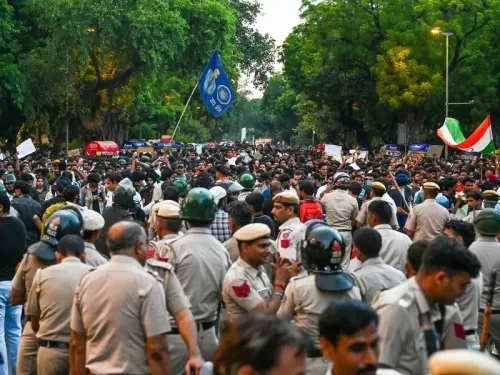
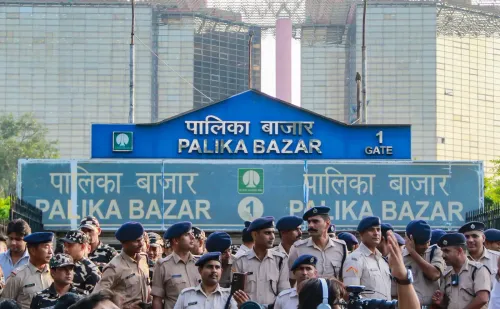
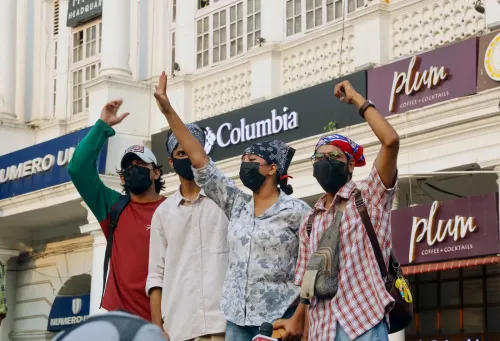
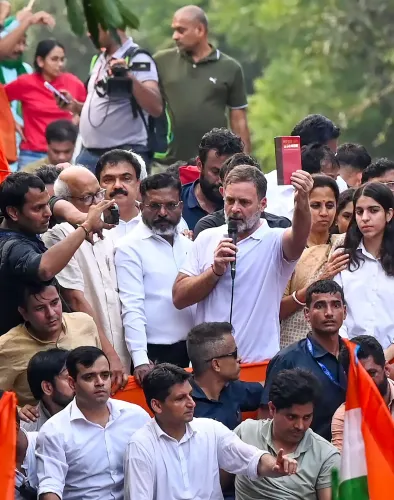
The demonstrations are being organised by the Congress-led INDIA bloc, the Cockroach Janata Party (CJP), student activists, and other groups in the national capital. Their target is the Election Commission of India (ECI) and Chief Election Commissioner (CEC) Gyanesh Kumar over the Special Intensive Review (SIR) procedure of electoral rolls. In response, security restrictions have been imposed at several locations, with market closures and road blockades disrupting movement and commercial activity across the city.
The Economic Exposure, by the Numbers
Khandelwal cited Delhi's estimated average daily business turnover of approximately ₹2,200 crore as the baseline for his projections. He outlined a sliding scale of risk: a 10% decline in business activity would affect transactions worth ₹220 crore daily, rising to ₹330 crore at 15% and ₹440 crore at 20%. 'Based on these indicative estimates, the potential impact over ten days could approach ₹4,000 crore if disruptions persist at the higher end of this range,' he said, while clarifying that these figures represent an indicative estimate of business activity at risk — not a verified accounting of actual losses.
Who Bears the Burden
Khandelwal said the impact extends well beyond the protest sites. Traffic congestion, reduced customer footfall, disrupted logistics, and restricted market access have shortened business hours and delayed goods movement across Delhi's interconnected commercial network. 'Small traders and businesses are among the worst affected. Even when sales decline, they must continue meeting fixed financial commitments such as shop rentals, employee salaries, electricity bills, loan instalments and other operating expenses,' he said. He added that beyond retail and wholesale trade, transporters, logistics operators, warehouses, restaurants, hotels, street vendors, and delivery services are all facing declining activity, threatening the livelihoods of millions who depend on Delhi's commercial economy.
Constitutional Rights in Tension
The BJP MP framed the issue as a question of competing constitutional guarantees. 'The Constitution protects freedom of speech and expression under Article 19(1)(a), as well as the right to assemble peacefully and without arms under Article 19(1)(b). At the same time, Article 19(1)(g) protects the right to practise any profession or to carry on any occupation, trade or business, subject to reasonable restrictions permitted by the Constitution,' Khandelwal said. He argued that democratic rights must coexist with the economic security and livelihoods of other citizens, and that the exercise of one fundamental right should not be assessed in isolation from its impact on others' lawful activities.
The Festive Season Stakes
Khandelwal stressed that the timing compounds the damage, describing the October to January window as one of the most crucial periods for India's trading community — covering major festivals, wedding-related purchases, and heightened consumer spending. 'Disruptions during these months can have consequences extending well beyond individual markets, affecting seasonal incomes, employment, business confidence and the broader economic cycle,' he said. He also underlined Delhi's role as a hub for wholesale distribution and retail trade, arguing that any prolonged disruption in the capital creates cascading effects on supply chains and business transactions far beyond city limits. The CAIT Secretary General urged all parties to adopt a balanced approach that respects peaceful protest while safeguarding market accessibility and the ability of citizens to earn their livelihood.
Point of View
000 crore figure is a political argument as much as an economic one — CAIT has a long track record of using loss estimates to apply pressure during street agitations, and the BJP MP's framing conveniently elides the government's own role in how security restrictions are calibrated. That said, the underlying concern is real: Delhi's wholesale and distribution networks are genuinely interconnected, and a multi-day shutdown during the festive season does carry outsized downstream costs for small traders and daily-wage workers who have no fallback. The constitutional tension he invokes — Article 19(1)(a) and (b) versus 19(1)(g) — is legitimate but rarely adjudicated in real time. What is missing from his appeal is any call on the administration to ease the restrictions that are actually causing the blockades, which suggests the statement is directed at the protest organisers rather than at policy.
NationPress
18 Oct 2026
Frequently Asked Questions
How much business could Delhi lose due to the ongoing protests?
BJP MP and CAIT Secretary General Praveen Khandelwal estimated that business transactions worth up to ₹4,000 crore could be at risk over 10 days if disruptions persist at the higher end of projected ranges. He clarified these are indicative estimates of activity at risk, not verified loss figures.
What are the Delhi protests about?
The protests are being organised by the Congress-led INDIA bloc, the Cockroach Janata Party (CJP), student activists and other groups against the Election Commission of India (ECI) and Chief Election Commissioner Gyanesh Kumar over the Special Intensive Review (SIR) procedure of electoral rolls.
Why is the timing of the protests particularly damaging for traders?
The demonstrations coincide with the October–January festive and wedding season, which Khandelwal described as one of the most crucial trading periods for India's commercial community. Business lost during high-demand days cannot necessarily be recovered, making extended disruptions especially costly.
Who is most affected by the market disruptions in Delhi?
Small traders and businesses are among the worst affected, as they face declining sales while fixed costs — rent, salaries, electricity, loan instalments — continue unchanged. Transporters, logistics operators, warehouses, restaurants, hotels, street vendors and delivery services are also facing reduced activity.
What constitutional argument did Khandelwal make about the protests?
Khandelwal cited Articles 19(1)(a) and 19(1)(b) — the rights to free speech and peaceful assembly — alongside Article 19(1)(g), which protects the right to carry on trade or business. He argued that the exercise of one fundamental right should not disregard its impact on the lawful economic activities and livelihoods of other citizens.