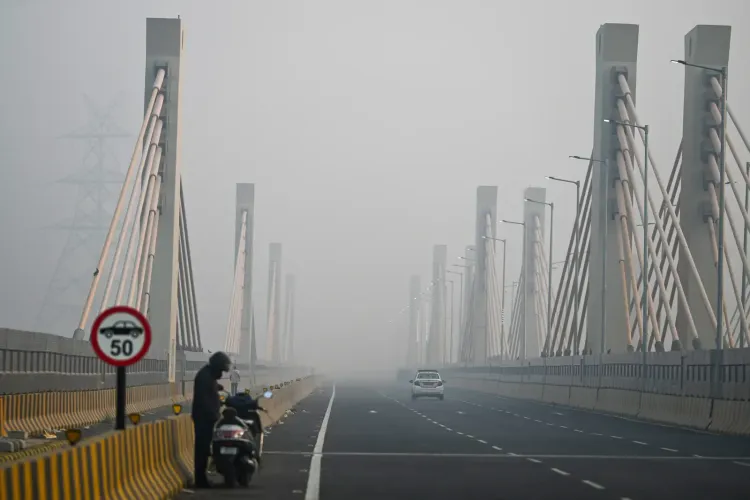
Delhi AQI at 365: GRAP Stage III invoked as 'very poor' air chokes NCR
Synopsis
With Delhi's AQI stuck at 365 and near-zero wind speeds forecast ahead of Diwali, authorities have pre-emptively invoked GRAP Stage III — a nine-point crackdown covering construction, vehicles, and industry across the NCR. If the weather forecast holds and fireworks go ahead, Stage IV, Delhi's most extreme pollution emergency measure, could follow within days.
Key Takeaways
Delhi's AQI stood at 365 ('very poor') on Saturday, 7 November 2026 , per the Delhi government's monitoring data.
Friday evening's AQI reading was even higher at 382 , according to the CPCB .
The CAQM invoked GRAP Stage III across Delhi-NCR on Friday as a precautionary measure ahead of Diwali .
A nine-point action plan restricts construction, vehicle movement, and industrial operations under Stage III .
Environment Minister Manjinder Sirsa warned that wind speeds could drop to near-zero , risking further AQI spikes.
GRAP Stage IV — the most stringent emergency tier — remains a possibility if AQI crosses 450 .
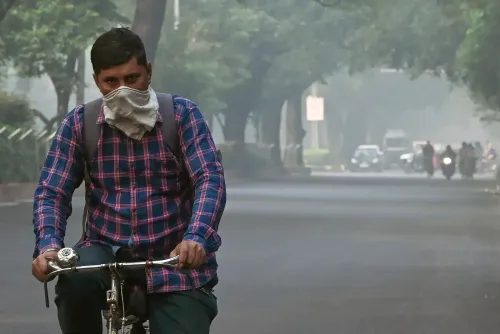
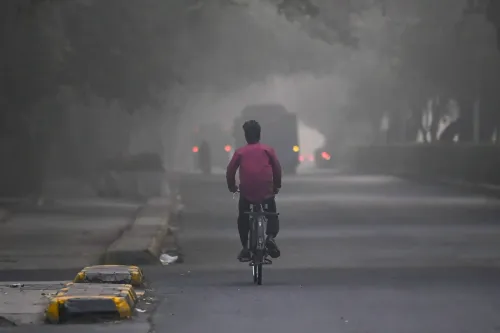
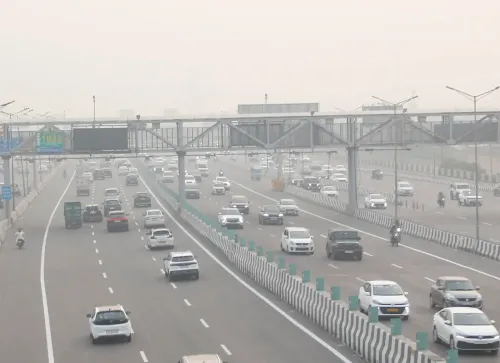
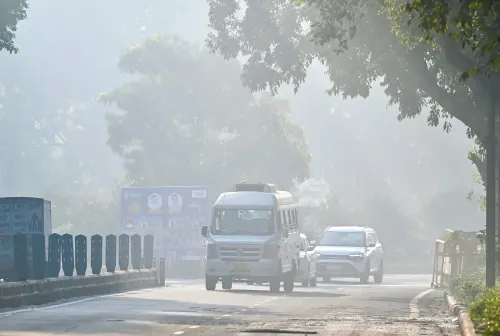
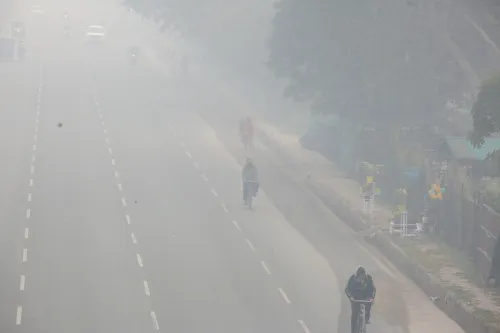
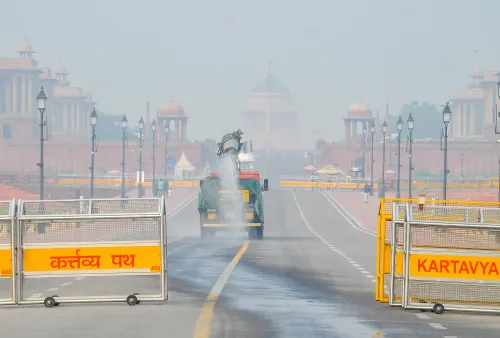
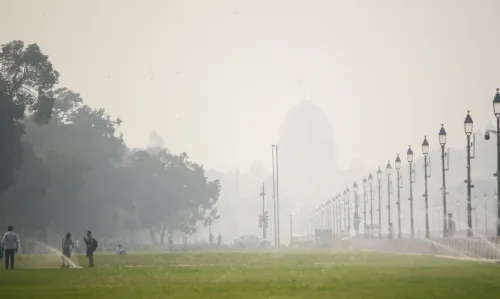
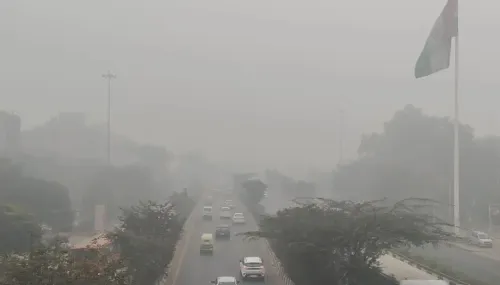
New Delhi's air quality remained firmly in the 'very poor' category on Saturday, 7 November 2026, with the 24-hour average Air Quality Index (AQI) recorded at 365, according to the Delhi government's air quality monitoring data. The city's pollution levels have been climbing steadily over the past several days, raising alarm ahead of Diwali.
How Bad Is It Right Now
On Friday evening, Delhi's AQI stood at 382, also within the 'Very Poor' band, according to the Central Pollution Control Board (CPCB). An AQI above 300 is classified as 'very poor', meaning prolonged exposure can cause respiratory illness even in healthy individuals. The consistent readings above 360 indicate the situation has not improved despite earlier containment efforts.
GRAP Stage III Invoked Across Delhi-NCR
Amid the deteriorating conditions, the Commission for Air Quality Management (CAQM) on Friday invoked Stage III of the Graded Response Action Plan (GRAP) across the Delhi-NCR region as a precautionary measure. The decision was taken by the CAQM's Sub-Committee on GRAP and announced through the commission's official account on X. Stage III is typically triggered when AQI crosses the 400 mark or is projected to do so imminently — invoking it ahead of that threshold signals that authorities are treating the Diwali season as a high-risk window.
What Stage III Restrictions Mean for Residents
Under the Stage III framework, a nine-point action plan will be enforced across the National Capital Region (NCR). The restrictions cover construction and demolition activities, vehicle movement, and industrial operations. Schools and offices are also subject to guidelines under this stage. The measures are designed to reduce particulate emissions and prevent further deterioration before pollution peaks during and after Diwali fireworks.
What the Environment Minister Said
Delhi Environment Minister Manjinder Sirsa urged residents to comply with the restrictions, warning of worsening meteorological conditions in the days ahead. 'I urge the residents of Delhi to take note: the weather is expected to worsen starting tomorrow, with wind speeds likely to drop to near-zero. I request everyone's cooperation in adhering to these restrictions; only by working together can we help clean the air in Delhi,' Sirsa said. Low wind speeds are a critical aggravating factor — calm air traps pollutants close to ground level, sharply accelerating AQI spikes.
What Happens Next
Authorities are expected to intensify enforcement of GRAP Stage III measures across the region. If AQI crosses 450, Stage IV — the most stringent level — can be invoked, which includes additional curbs such as a ban on diesel light motor vehicles. The coming days will be closely watched, as the combination of near-zero wind forecasts and Diwali emissions could push Delhi's air quality into the 'severe' or even 'severe plus' category. Residents have been urged to minimise outdoor exposure, especially in the mornings when pollutant concentrations are highest.
Point of View
GRAP stages are invoked, restrictions are announced, and the cycle resets the following year. The CAQM's decision to invoke Stage III before AQI crosses 400 is a tactical shift worth noting, but the structural problems — stubble burning in neighbouring states, the city's vehicle density, and construction activity — remain largely unresolved. The real accountability gap is not in the emergency response framework but in the year-round enforcement of emission norms that might prevent Stage III from being necessary in the first place. With Diwali imminent and near-zero winds forecast, the administration is essentially managing a known collision course rather than averting it.
NationPress
7 Nov 2026
Frequently Asked Questions
What is Delhi's AQI today and what category does it fall in?
Delhi's 24-hour average AQI was recorded at 365 on Saturday, 7 November 2026, placing it in the 'very poor' category. An AQI between 301 and 400 is classified as 'very poor', indicating significant health risks with prolonged exposure, particularly for children, the elderly, and those with respiratory conditions.
What is GRAP Stage III and what restrictions does it impose?
GRAP Stage III is the third tier of the Graded Response Action Plan, a pollution emergency framework enforced across Delhi-NCR. Under Stage III, a nine-point action plan restricts construction and demolition activities, limits vehicle movement, curbs industrial operations, and issues guidelines for schools and offices to reduce emissions.
Why has GRAP Stage III been invoked before AQI reaches 400?
The CAQM invoked Stage III as a precautionary measure ahead of Diwali, when fireworks emissions are expected to sharply spike pollution levels. With wind speeds forecast to drop to near-zero, the dispersion of pollutants will slow significantly, raising the risk of AQI crossing into 'severe' territory rapidly.
What happens if Delhi's AQI worsens further?
If AQI crosses 450, the CAQM can invoke GRAP Stage IV — the most stringent emergency tier — which includes additional restrictions such as a ban on diesel light motor vehicles in the NCR. Authorities are closely monitoring readings in the days surrounding Diwali.
What has Delhi Environment Minister Manjinder Sirsa said about the pollution situation?
Minister Sirsa urged residents to cooperate with GRAP Stage III restrictions, warning that wind speeds are expected to drop to near-zero, which could trap pollutants and push AQI higher. He stated that collective compliance is essential to improving air quality in the coming days.