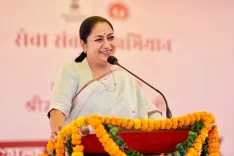
Delhi's CM Unveils DITI Think Tank and New Tech Policies
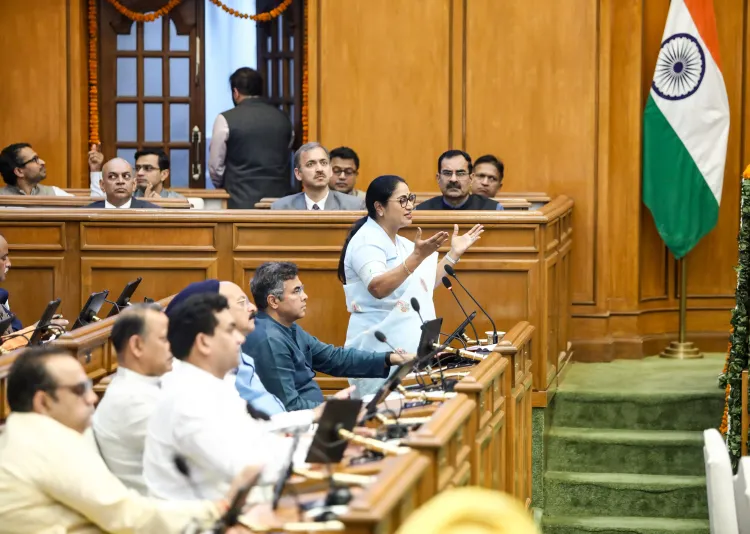
Synopsis
Delhi Chief Minister Rekha Gupta has announced the establishment of the Delhi Institutional Think Tank (DITI) alongside new drone and semiconductor policies, aiming to elevate the city as a technology and manufacturing hub. The budget also includes numerous initiatives for governance, environmental sustainability, and tourism enhancement.
Key Takeaways
Establishment of the Delhi Institutional Think Tank (DITI).
Introduction of new drone and semiconductor policies.
Investment in mini secretariats for improved governance.
Significant funding for tourism and cultural initiatives.
Expansion of environmental sustainability efforts.
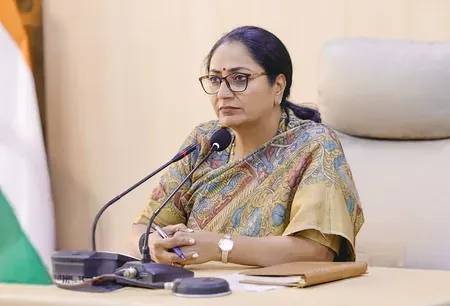
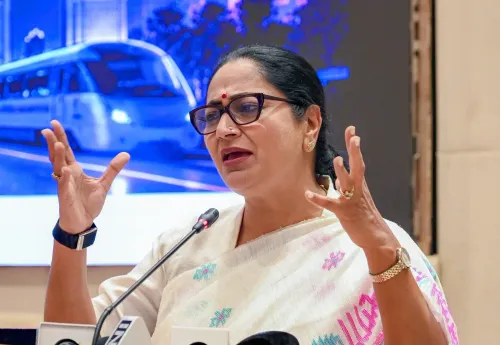
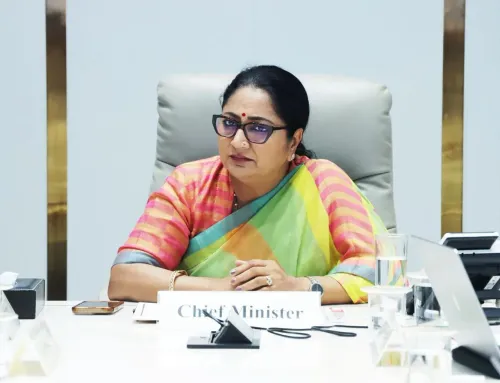
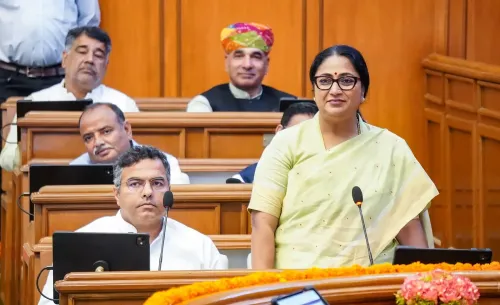
On March 24, in New Delhi, Chief Minister Rekha Gupta unveiled plans for a new think tank named Delhi Institutional Think Tank (DITI), inspired by NITI Aayog. This initiative aims to introduce innovative policies for semiconductors and drones, establishing the city as a leading center for advanced technology and manufacturing.
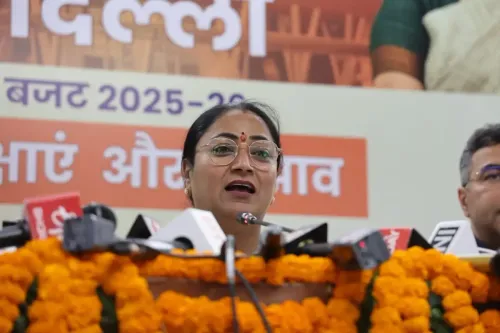
During the presentation of the 2026-27 Budget, the Chief Minister declared that 13 mini secretariats will be constructed at an investment of Rs 100 crore to enhance governance and provide integrated public services.
Each property will receive a unique identification code called 'Bhu-Aadhaar', while land records will be digitized through the NGDRS portal, she mentioned.
District magistrates are set to receive Rs 59 crore from the district development fund. A modernized, paperless, and faceless registration system will be implemented. Additionally, an advanced Emergency Operations Centre will be established with a budget of Rs 10 crore.
The Chief Minister indicated that the city’s judicial framework will be bolstered by constructing new court complexes in Shastri Park, Karkardooma, Rohini, and Rouse Avenue, alongside a family court in Rohini, with an allocation of Rs 230 crore.
A new forensic science lab will be built in Sheikh Sarai at a cost of Rs 2 crore. To alleviate overcrowding, a high-security jail will be established in Narela. The Chief Minister also noted the Centre’s approval to separate Delhi’s public account from the Union government’s account.
A budget document revealed that Rs 48 crore has been earmarked for MSME common facility centers and Rs 10 crore for a new warehousing policy to support industry growth.
As part of the RAMP scheme, training will be provided to 32,000 MSMEs, while 15,000 businesses will be connected to digital platforms like GeM and ONDC.
Funding for tourism has significantly increased from Rs 121 crore to Rs 412 crore. The arts, culture, and language sectors will receive Rs 173 crore. The 'Branding Delhi' initiative, with an allocation of Rs 50 crore, aims to support a tourism master plan and enhance digital marketing efforts. Furthermore, Delhi will host its inaugural International Film Festival.
The budget outlines plans for constructing around 1,000 modern toilets, beautifying major junctions, and erecting 13 grand entry gates at a cost of Rs 300 crore. A 'Delhi Sadan' will also be built for Rs 10 crore, along with the redevelopment of the Institute of Hotel Management.
A new film policy has been allocated Rs 5 crore, and an AVGC policy is set to enhance the creative industries. The Town Hall will be transformed into a global heritage center.
The Green Budget totals Rs 22,236 crore, which constitutes 21.44 percent of the total budget, as stated by the Chief Minister.
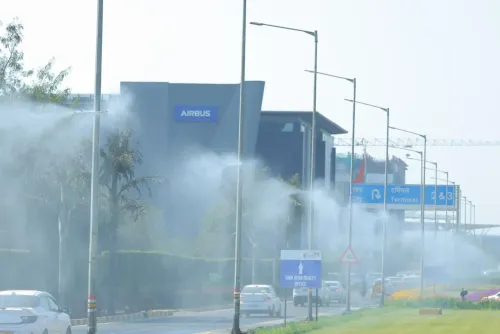
The environmental budget has risen from Rs 505 crore to Rs 822 crore. A Rs 300 crore pollution control and emergency response plan will involve mechanical sweepers, anti-smog guns, and water sprinklers.
The MCD is set to receive Rs 204 crore for pollution management, with Rs 2 crore designated for monitoring systems, including the ICCC, war rooms, and real-time tracking.
The government will partner with the World Bank to develop advanced environmental solutions. Plans to expand urban forests, parks, and green spaces have also been outlined.
Waste processing capacity is projected to increase from 7,000 to 15,000 metric tonnes per day, with enhancements to waste-to-energy plants at Narela, Okhla, Ghazipur, and Tehkhand.
Daily conversion of approximately 1,500 tonnes of cow dung waste into energy is planned. A robust monitoring, reporting, and verification (MRV) system will support the implementation of a carbon credit monetization scheme.
Chief Minister Rekha Gupta emphasized that this budget represents a historic step towards transforming Delhi into a modern, clean, safe, inclusive, and environmentally friendly global capital.
Point of View
The establishment of the Delhi Institutional Think Tank and the introduction of new policies in semiconductors and drones signify a strategic move towards enhancing technological capabilities and governance in the capital. These initiatives, backed by substantial budget allocations, reflect a commitment to fostering innovation and sustainable growth.
NationPress
24 Sept 2026
Frequently Asked Questions
What is the Delhi Institutional Think Tank (DITI)?
The Delhi Institutional Think Tank (DITI) is a newly announced think tank aimed at promoting advanced technology and manufacturing policies in the capital.
How will the new drone and semiconductor policies benefit Delhi?
These policies are intended to position Delhi as a hub for advanced technology, attracting investment and fostering innovation in the technology sector.
What are the key features of the 2026-27 Budget?
The budget includes the establishment of mini secretariats, digitization of land records, and significant allocations for tourism, environmental sustainability, and public services.
How much funding is allocated for pollution control measures?
The budget has allocated Rs 204 crore for pollution control measures through the Municipal Corporation of Delhi (MCD).
What initiatives are included in the Green Budget?
The Green Budget includes investments in waste processing, urban forestry, and pollution control measures, totaling Rs 22,236 crore.