CM Dhami conducts surprise Char Dham Yatra check in Rishikesh
Synopsis
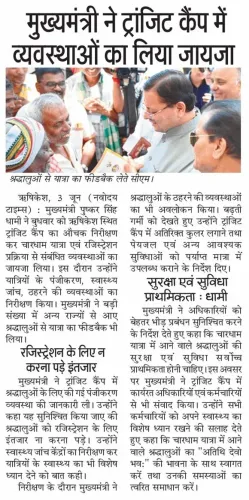
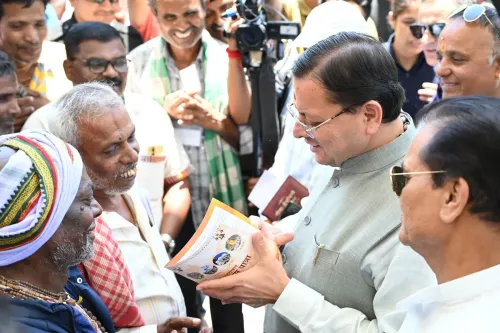
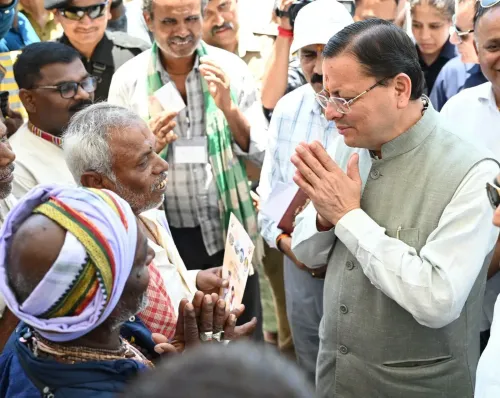
Uttarakhand Chief Minister Pushkar Singh Dhami conducted a surprise, live-streamed inspection of Char Dham Yatra arrangements in Rishikesh on 3 June 2026, reviewing pilgrim facilities at a key entry point to the four Himalayan shrines as the state braces for peak season footfall.
Key Takeaways
CM Pushkar Singh Dhami carried out a surprise inspection in Rishikesh on 3 June 2026.
The visit covered Char Dham Yatra arrangements at a principal pilgrim transit hub.
The Chief Minister live-streamed the inspection on his official X handle.
Rishikesh feeds pilgrim flows to Yamunotri, Gangotri, Kedarnath and Badrinath.
The Char Dham all-weather road, cleared under Bharatmala in 2016, underpins access.
Post-inspection directions and revised SOPs are the next markers to watch.
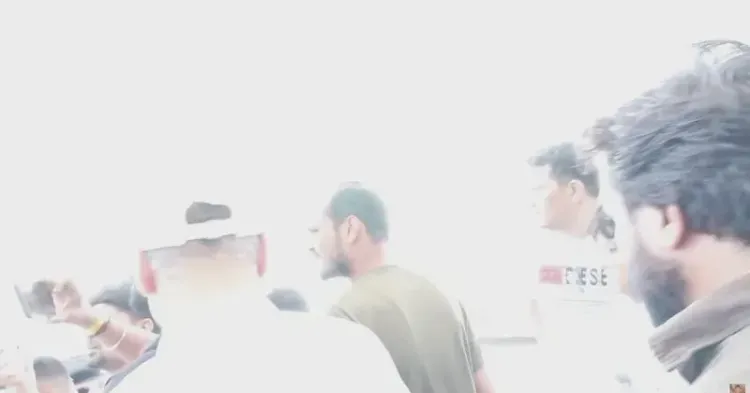
Uttarakhand Chief Minister Pushkar Singh Dhami carried out a surprise inspection of Char Dham Yatra arrangements in Rishikesh on 3 June 2026, streaming the visit live on X to review pilgrim facilities at one of the principal entry points to the four Himalayan shrines. The Chief Minister flagged the exercise on his official handle with the line 'LIVE: ऋषिकेश में चारधाम यात्रा से जुड़ी व्यवस्थाओं का औचक निरीक्षण' ('LIVE: Surprise inspection of arrangements linked to the Char Dham Yatra in Rishikesh').
Context
Rishikesh, on the banks of the Ganga, functions as the staging point for lakhs of pilgrims travelling onward to Yamunotri, Gangotri, Kedarnath and Badrinath each summer. Surprise checks by the Chief Minister at registration counters, bus stands and transit camps have become a recurring feature of the state's pre-peak season governance routine.
By broadcasting the inspection live, Mr Dhami placed the visit directly before the public and the administrative machinery in real time. The post carried one accompanying image and linked to a live broadcast on X.
Policy backdrop
The Char Dham Yatra is among the largest organised pilgrimages in India, with footfall typically concentrated between late April and the onset of the monsoon. Crowd management, transport coordination, medical posts and weather advisories form the core operational challenges for the state.
The Union government had approved the Char Dham all-weather road project under Bharatmala in 2016 to enable year-round connectivity to the four shrines, and Uttarakhand has progressively layered religious-tourism infrastructure on top of that backbone. Successive state administrations have also tightened inspection protocols after the 2013 Kedarnath floods, with surprise reviews now built into the annual yatra calendar.
Stakeholders and impact
Pilgrims arriving via Rishikesh depend on registration desks, parking, sanitation, drinking water, health screening and transport linkages — all of which fall within the inspection ambit. Local tourism operators, hoteliers, taxi unions and shopkeepers in Rishikesh are directly affected by any tightening of standard operating procedures that follows such a visit.
Residents of the town, who absorb the seasonal surge in vehicular traffic and visitors, are also stakeholders in how arrangements are calibrated. A visible Chief Ministerial presence is typically read by field officials as a signal to escalate compliance on the ground.
What's next
Attention will turn to any post-inspection directions issued to district authorities, the transport department and health teams stationed along the yatra route. Revised standard operating procedures, if any, and updated facility audits are likely to follow in the days ahead.
For the BJP-led state government, the optics of hands-on oversight feed into a wider narrative of religious-tourism management that has become central to Uttarakhand's governance identity. The next marker to watch is whether the inspection translates into concrete service-level changes before the season's peak rush.
Point of View
Particularly around the Char Dham Yatra where logistics and political accountability intersect sharply. Live-streaming the visit collapses the distance between the executive and the field, while also serving as a public signal that pilgrim management is a top-tier priority. The arc since the 2013 Kedarnath disaster has pushed the state towards more visible, pre-emptive oversight rather than reactive response. The real test, as always, will be whether the spectacle of inspection translates into measurable service improvements before peak footfall.
NationPress
20 Oct 2026
Frequently Asked Questions
What did Uttarakhand CM Pushkar Singh Dhami inspect in Rishikesh?
He carried out a surprise inspection of Char Dham Yatra arrangements in Rishikesh on 3 June 2026, reviewing pilgrim facilities at the key transit hub for the four Himalayan shrines.
When is the Char Dham Yatra held each year?
The Char Dham Yatra typically runs from late April, after the shrines open post-winter, through to the onset of the monsoon and again briefly before the shrines close for winter.
Why is Rishikesh important for the Char Dham Yatra?
Rishikesh is the main staging point on the banks of the Ganga from where pilgrims travel onward to Yamunotri, Gangotri, Kedarnath and Badrinath, making it central to registration, transport and medical arrangements.
What is the Char Dham all-weather road project?
It is a central government highway project approved under Bharatmala in 2016 to provide year-round connectivity to the four Char Dham shrines in Uttarakhand.
Why do Uttarakhand CMs conduct surprise yatra inspections?
Surprise inspections are used to verify on-ground readiness for crowd management, road safety, sanitation and emergency services, a practice that intensified after the 2013 Kedarnath floods exposed gaps in disaster preparedness.