CM Dhami Opens White Tiger 'Tejas' Enclosure at Dehradun Zoo
Synopsis
Chief Minister Pushkar Singh Dhami inaugurated the enclosure of white tiger 'Tejas' at Dehradun's Malsi Zoo on 19 November 2026 — Uttarakhand's first white tiger — and announced free zoo entry for college students to promote environmental education.
Key Takeaways
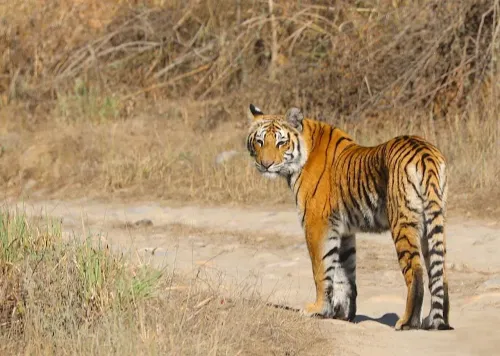
Uttarakhand's first white tiger , named Tejas , has been placed on public display at Dehradun Zoo in Malsi after CM Dhami formally inaugurated the enclosure.
Dehradun Zoo attracts approximately 8.50 lakh tourists annually and earns over Rs 7 crore in revenue per year; officials expect both to rise with Tejas.
CM Dhami announced free entry for college students at the zoo to promote hands-on learning in wildlife conservation and biodiversity.
A free-entry scheme for school children was already in place and had reported positive outcomes before today's expansion.
Forest Minister Subodh Uniyal and senior forest department officials attended the inauguration, underlining the state's ecology-economy balance agenda.
Dhami described Uttarakhand as an ecologically sensitive state, committing the government to sustainable development that protects its forest heritage.
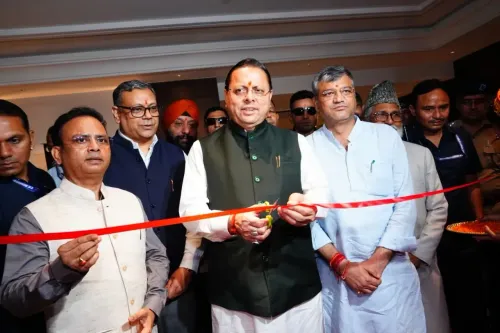
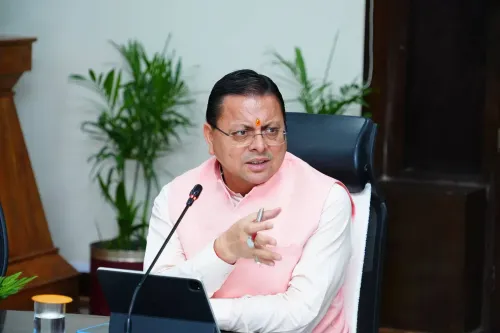
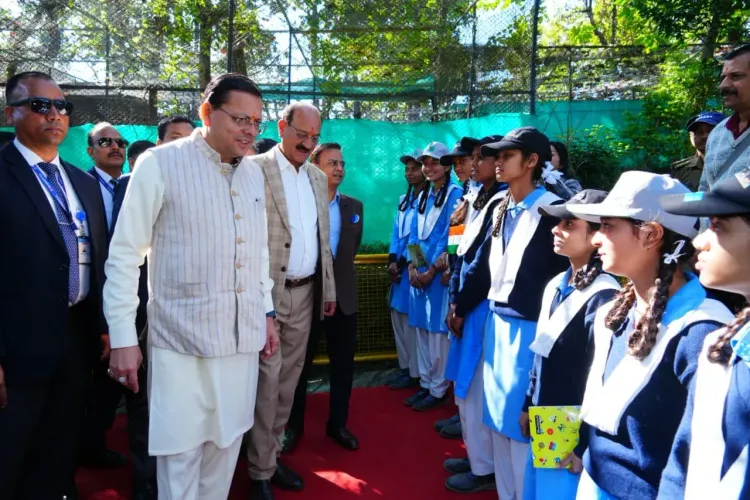
Uttarakhand gets its first-ever white tiger — and Dehradun Zoo just became a lot more interesting. Chief Minister Pushkar Singh Dhami on Thursday, 19 November 2026, formally inaugurated the enclosure of white tiger 'Tejas' at the Malsi-based Dehradun Zoo, dedicating it to public viewing in a ceremony attended by senior state officials.
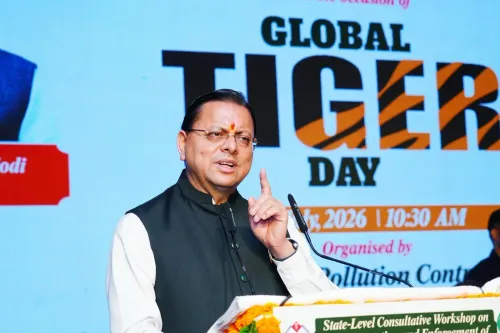
Addressing the gathering, CM Dhami noted that 'Tejas' marks a historic first: 'उत्तराखण्ड में इस प्रकार का सफेद बाघ पहली बार लाया गया है' — 'a white tiger of this kind has been brought to Uttarakhand for the first time.' He added that two other tiger species were introduced to the zoo previously, and the surge in visitor interest that followed makes the case for Tejas's likely impact.
A zoo that already punches above its weight
The numbers behind Dehradun Zoo are striking for a state-run facility. The zoo draws approximately 8.50 lakh (850,000) tourists every year and generates over Rs 7 crore in annual revenue. CM Dhami said he expects both figures to climb with Tejas on display. The zoo sits among Uttarakhand's top tourism destinations — a rare attraction that doubles as a foreign-exchange earner for a Himalayan state heavily reliant on pilgrimage and adventure tourism.
Free entry for college students — the new announcement
The bigger policy move of the day wasn't the tiger. CM Dhami announced that college students across Uttarakhand will now be granted free entry to Dehradun Zoo. The state had already extended the same benefit to school children in an earlier initiative, which Dhami said had yielded 'positive results' by connecting young visitors to wildlife and biodiversity. The college student expansion deepens that effort — turning the zoo into a de facto field-study classroom for environmental science, wildlife conservation, and ecology.
The Chief Minister was direct about the rationale: 'विद्यार्थियों को वन्यजीव संरक्षण, जैव विविधता एवं पर्यावरण के विभिन्न पहलुओं का व्यावहारिक ज्ञान प्राप्त होगा' — 'students will gain practical knowledge of wildlife conservation, biodiversity and various aspects of the environment.' In a state that faces annual natural disasters and sits among India's most forested territories, that isn't rhetoric. It is a survival skill.
Ecology, economy — and the balancing act Uttarakhand must perform
Forest Minister Subodh Uniyal, Principal Secretary (Forests) R.K. Sudhanshu, and Principal Chief Conservator of Forests Kapil Lal were present at the event alongside senior forest department officials. Their collective presence underlined the administration's framing of the occasion: this was not just a zoo ribbon-cutting but a statement on the state's larger ecological identity.
Dhami emphasised that Uttarakhand is 'geographically and environmentally an extremely sensitive state,' one that must absorb natural disasters every year while still pursuing development. The state government, he said, is committed to 'advancing development while maintaining a balance between ecology and economy.' With one of India's highest forest-cover ratios, Uttarakhand's biodiversity is simultaneously a conservation responsibility and a tourism asset — and the Dehradun Zoo, in the government's telling, sits at the intersection of both.
Tejas now paces inside a new enclosure. Whether footfall at Malsi breaks past the 8.50-lakh mark in the next annual count will be the real test of whether a single white tiger can move the needle on a state's tourism economy.
Point of View
Not just optics. For a ruling party in a Himalayan state perpetually navigating tension between development and ecology, anchoring both under a single zoo visit is efficient political communication. The real policy test arrives when annual visitor and revenue data are audited against today's headline.
NationPress
19 Nov 2026
Frequently Asked Questions
What is special about the white tiger Tejas at Dehradun Zoo?
Tejas is the first white tiger ever brought to Uttarakhand. CM Pushkar Singh Dhami inaugurated its enclosure at Dehradun's Malsi Zoo on 19 November 2026, opening it to public viewing.
How many visitors does Dehradun Zoo get every year?
Dehradun Zoo attracts approximately 8.50 lakh (850,000) tourists annually and generates over Rs 7 crore in revenue, according to figures cited by CM Dhami at the inauguration.
Will college students get free entry to Dehradun Zoo?
Yes. CM Dhami announced on 19 November 2026 that college students in Uttarakhand will receive free entry to Dehradun Zoo to encourage practical learning in wildlife conservation and biodiversity.
Where is Dehradun Zoo located?
Dehradun Zoo, formally known as the Malsi Deer Park and Zoo, is located in the Malsi area of Dehradun, Uttarakhand.
Who attended the Tejas enclosure inauguration at Dehradun Zoo?
Forest Minister Subodh Uniyal, Principal Secretary (Forests) R.K. Sudhanshu, Principal Chief Conservator of Forests Kapil Lal, and other senior forest department officials joined CM Dhami at the event.