CM Dhami's Seva Sankalp Abhiyan reaches Champawat doorsteps
Synopsis
Chief Minister Pushkar Singh Dhami's Seva Sankalp Abhiyan is taking government services directly to citizens across Uttarakhand under the 'Jan-Jan Ki Sarkar, Jan-Jan Ke Dwar' programme, with Champawat district among the active outreach locations on 14 October 2026.
Key Takeaways
Seva Sankalp Abhiyan is a statewide campaign directed by CM Pushkar Singh Dhami to deliver government services and resolve grievances at the community level.
The 'Jan-Jan Ki Sarkar, Jan-Jan Ke Dwar' programme is its outreach arm — bringing officials to citizens rather than requiring citizens to travel to offices.
Champawat district in the Kumaon division is among the active locations as of 14 October 2026 .
Uttarakhand's mountainous terrain makes doorstep delivery especially critical for residents in remote hamlets who face long, difficult journeys to district headquarters.
Champawat holds political significance as the constituency from which CM Dhami won his own legislative seat in the 2022 by-election.
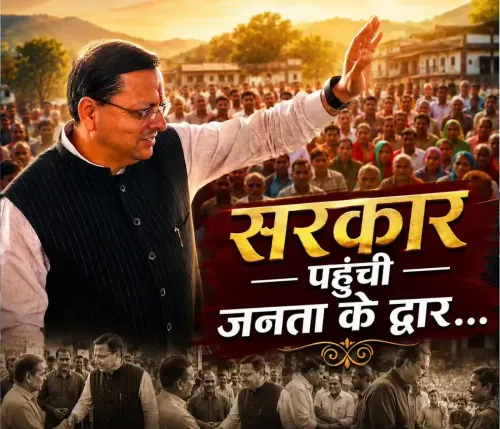
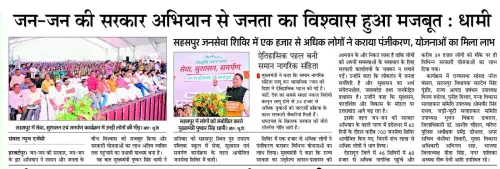
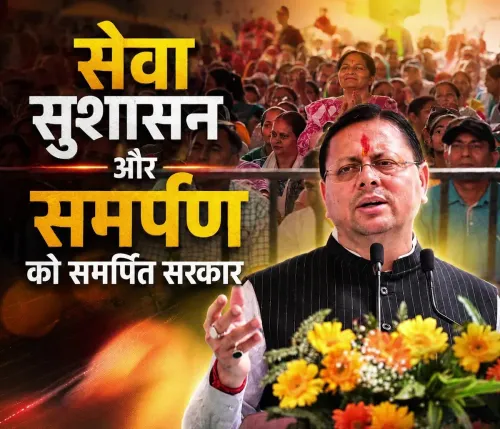
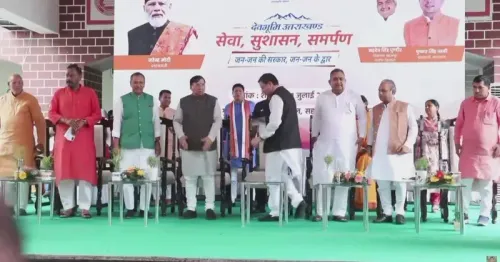
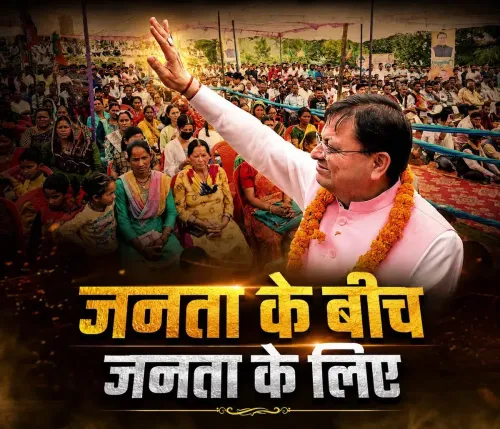
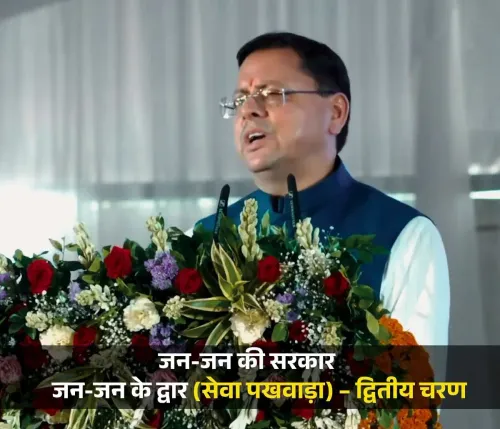
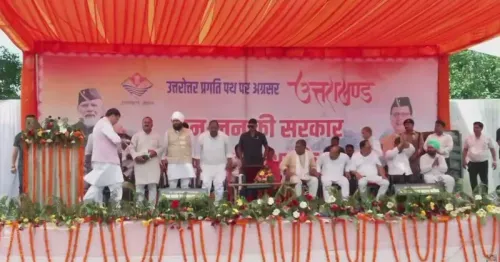
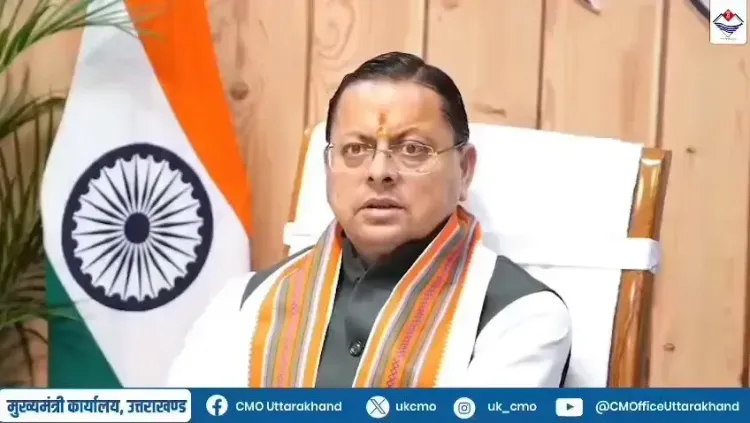
Government officials are going to the people — not the other way around. Under directions from Chief Minister Pushkar Singh Dhami, the Uttarakhand government is actively rolling out its 'Seva Sankalp Abhiyan' (Service Pledge Campaign) across the state, using the 'Jan-Jan Ki Sarkar, Jan-Jan Ke Dwar' programme to deliver welfare benefits directly to citizens' doorsteps — with Champawat district among the active locations as of Wednesday, 14 October 2026.
What the campaign actually does on the ground
The Jan-Jan Ki Sarkar, Jan-Jan Ke Dwar — loosely translated as 'Government for every person, at the door of every person' — is the outreach arm of the broader Seva Sankalp Abhiyan. Officials travel to communities to resolve grievances, disburse scheme entitlements, and register beneficiaries on-site, cutting out the need for citizens to travel to distant district headquarters.
This matters acutely in Uttarakhand. The state's mountainous terrain — particularly in the Kumaon division, where Champawat sits — means that routine access to government services can require hours of travel over difficult roads. Doorstep delivery drives are not a convenience here; for elderly residents and those in remote hamlets, they are often the only practical route to entitlements.
Champawat as a focus point
Champawat district has held particular political salience for the Dhami administration — it is the constituency from which the Chief Minister himself won a by-election in 2022, making it a visible test case for governance delivery under his watch. Running an active Seva Sankalp camp here signals both administrative intent and political accountability in the same breath.
Doorstep governance in hilly states — the bigger picture
Several Indian states have experimented with periodic doorstep delivery drives to close last-mile welfare gaps, but the challenge is steeper in hill states where terrain compounds institutional distance. The Dhami government has consistently framed such outreach campaigns as a structural response to Uttarakhand's geography — reducing dependency on district headquarters and bringing the state apparatus physically closer to remote households.
What the campaign's ultimate impact looks like in numbers — beneficiaries reached, grievances resolved, schemes activated — will emerge from district-level reports as the Abhiyan progresses. The pace and coverage of that data will be the real measure of the programme's reach.
For a government that has staked part of its identity on bridging the urban-rural service gap in one of India's most topographically challenging states, every camp at a village square is both a policy action and a promise being kept in real time.
Point of View
Champawat is not just any district: it is the Chief Minister's own political turf, making visible service delivery there a pointed statement of intent. The programme also reflects a wider acknowledgement that welfare-scheme reach in hill states is fundamentally a last-mile logistics problem, not just a policy design problem. How consistently the campaign operates beyond flagship locations will determine whether it becomes a structural governance tool or remains a periodic headline exercise.
NationPress
14 Oct 2026
Frequently Asked Questions
What is Seva Sankalp Abhiyan in Uttarakhand?
Seva Sankalp Abhiyan is a statewide campaign launched under Chief Minister Pushkar Singh Dhami's directions to deliver government services, resolve grievances, and reach welfare beneficiaries directly at the community level across Uttarakhand.
What is 'Jan-Jan Ki Sarkar, Jan-Jan Ke Dwar'?
'Jan-Jan Ki Sarkar, Jan-Jan Ke Dwar' — meaning 'Government for every person, at the door of every person' — is the outreach programme under Seva Sankalp Abhiyan that sends officials to citizens' localities instead of requiring people to travel to government offices.
Why is Champawat significant for CM Dhami?
Champawat is the constituency from which Pushkar Singh Dhami won a by-election in 2022 to secure his own legislative seat after becoming Chief Minister, giving it particular political and symbolic importance for his administration.
Why does Uttarakhand need doorstep governance programmes?
Uttarakhand's mountainous terrain, particularly in the Kumaon and Garhwal divisions, makes travel to district headquarters time-consuming and difficult, especially for elderly or remote-area residents. Doorstep delivery programmes close that last-mile gap.
Which districts are covered under Seva Sankalp Abhiyan?
The Seva Sankalp Abhiyan is described as a statewide programme across Uttarakhand, with Champawat among the confirmed active locations as of 14 October 2026. A full district-wise schedule has not been independently verified.