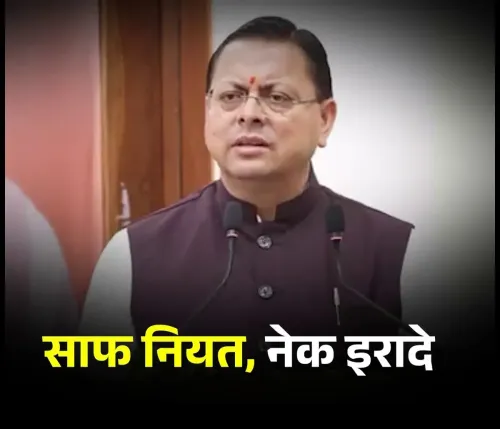
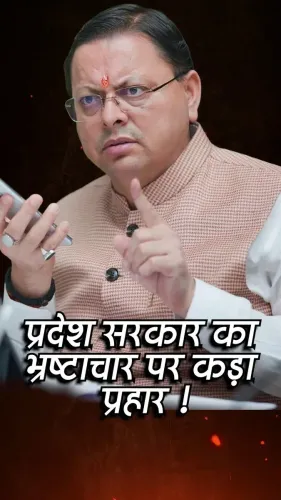
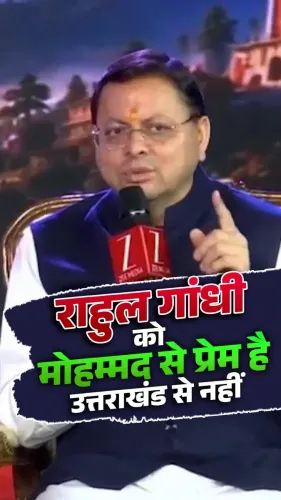
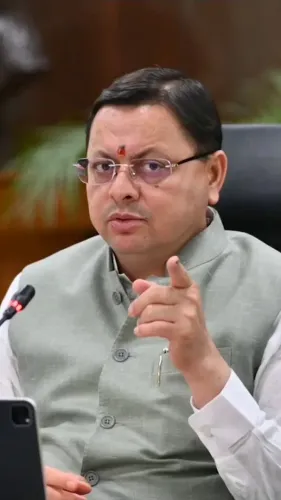
CM Dhami Slams Opposition Over Appeasement Politics
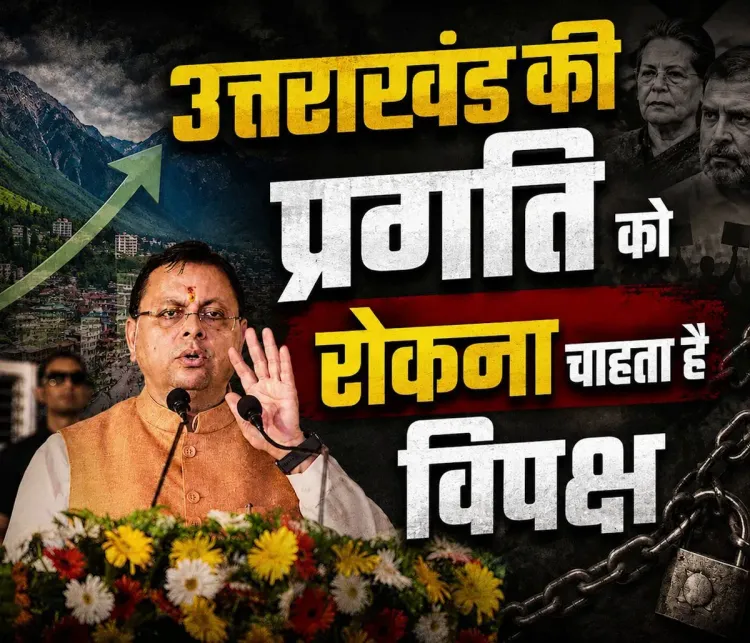
Synopsis
Uttarakhand Chief Minister Pushkar Singh Dhami on 21 July 2026 accused the opposition of limiting itself to appeasement, obstruction, and negativity. The remark echoes a long-running BJP narrative ahead of the 2027 state assembly elections, sharpening the political contest between the ruling party and the Congress-led opposition in the hill state.
Key Takeaways
CM Pushkar Singh Dhami posted on X on 21 July 2026 accusing the opposition of practising only appeasement, obstruction, and negativity.
The Hindi term 'tushtikaran' (appeasement) is a recurring charge BJP leaders have levelled at opposition parties since 2014 .
BJP has held power in Uttarakhand since 2017 ; Dhami has been Chief Minister since 2021 .
The remark is widely read as early campaign positioning ahead of the 2027 Uttarakhand assembly elections .
The Indian National Congress is the principal opposition party in Uttarakhand and the implied target of the criticism.
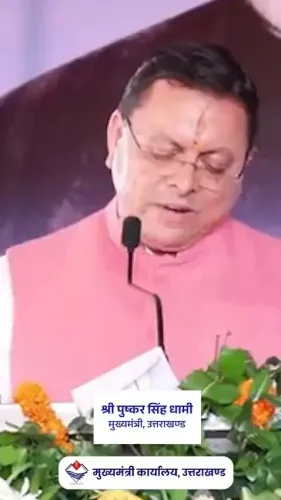
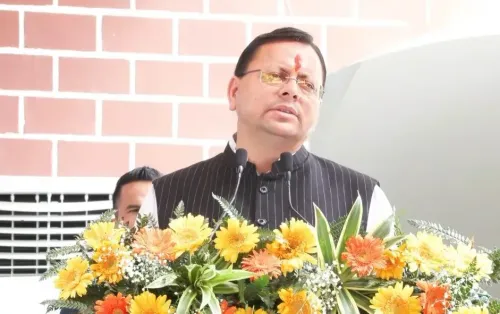
Uttarakhand Chief Minister Pushkar Singh Dhami launched a sharp attack on the opposition on Tuesday, 21 July 2026, accusing it of confining itself to appeasement, obstruction, and negativity — remarks that signal an intensifying political climate ahead of the 2027 Uttarakhand assembly elections.
Context
In a post on X, CM Dhami wrote: 'Vipaksh ki rajneeti kewal tushtikaran, virodh aur nakaratmakta tak seemit hai' — 'The politics of the opposition is limited only to appeasement, opposition, and negativity.' The statement was posted without elaboration but carries the weight of a deliberate political message directed at parties challenging BJP rule in Uttarakhand and at the national level.
The remark targets a familiar fault line in Indian politics: the charge of 'tushtikaran' (appeasement), widely understood as a reference to minority vote-bank politics. BJP leaders have deployed this framing consistently since 2014 to contrast their governance record against opposition priorities.
Policy Backdrop
BJP has governed Uttarakhand since 2017, and Dhami has served as Chief Minister since 2021, winning a second term after the party's victory in the 2022 assembly elections. During that campaign, the party explicitly framed the contest as a choice between development and what it described as appeasement-driven opposition politics.
Across BJP-governed states, this narrative — positioning the ruling party as the agent of development and the opposition as a coalition of negativity and sectarian vote-seeking — has become a standard pre-election rhetorical device. Dhami's post fits squarely within that broader pattern.
Stakeholders and Impact
The statement is aimed at voters in Uttarakhand, where the Indian National Congress remains the principal opposition force. By framing the rival camp as purely reactive and communally motivated, CM Dhami seeks to reinforce BJP's self-image as the party of affirmative governance.
Opposition parties are likely to respond by pointing to governance gaps — infrastructure, employment, and migration from hill districts — issues that have historically animated Uttarakhand voters. The exchange sets the tone for what is expected to be a combative lead-up to the next state polls.
What's Next
With the 2027 Uttarakhand assembly elections on the horizon, political rhetoric from both sides is expected to sharpen. CM Dhami's public messaging on X suggests the ruling party intends to keep the appeasement-versus-development binary at the centre of its campaign narrative, making the opposition's counter-framing on bread-and-butter issues a key battleground in the months ahead.
Point of View
Deploying the 'appeasement-versus-development' binary that has been BJP's most durable electoral frame since 2014. By posting it without a specific trigger, he keeps the charge broad enough to apply to any opposition move — a flexible attack posture. The opposition's challenge is to shift the debate toward concrete governance metrics — out-migration, unemployment, and hill-district infrastructure — before this framing hardens in voter perception. How effectively Congress and other parties counter this narrative over the next year will be a telling indicator of their electoral readiness in the state.
NationPress
20 Oct 2026
Frequently Asked Questions
What did Uttarakhand CM Dhami say about the opposition?
CM Pushkar Singh Dhami posted on X on 21 July 2026 that 'the politics of the opposition is limited only to appeasement, obstruction, and negativity,' using the Hindi term 'tushtikaran' for appeasement.
Who is Pushkar Singh Dhami?
Pushkar Singh Dhami is the Chief Minister of Uttarakhand and a BJP leader who has held the post since 2021, winning re-election after the party's 2022 assembly election victory.
What does 'tushtikaran' mean in Indian politics?
'Tushtikaran' is a Hindi word meaning appeasement, commonly used in Indian political discourse — particularly by BJP leaders — to allege that opposition parties pursue policies favouring minority communities for electoral gain rather than governing impartially.
When are the next Uttarakhand assembly elections?
The next Uttarakhand assembly elections are due in 2027, and Dhami's remarks are widely seen as early campaign positioning by the ruling BJP.
Which party is the main opposition in Uttarakhand?
The Indian National Congress is the principal opposition party in Uttarakhand and is generally considered the implied target of CM Dhami's criticism.