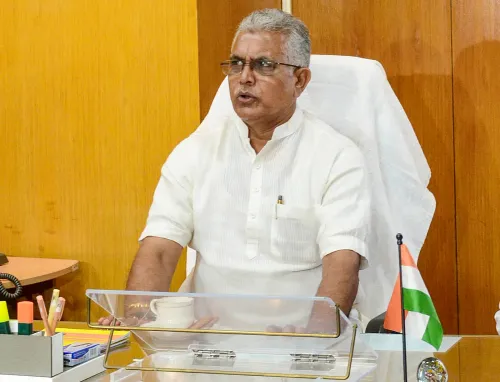
Dilip Ghosh dismisses opposition violence claims as 'drama', defends BJP
Synopsis
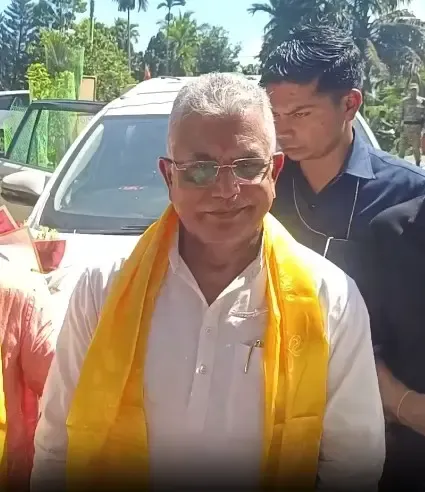
BJP minister Dilip Ghosh dismissed fresh Kolkata violence — including the alleged beating of an MLA outside a police station — as opposition 'drama', while blaming the culture of political clashes on parties previously in power. The remarks come amid escalating turf battles that signal West Bengal's post-power-shift landscape is far from settled.
Key Takeaways
Dilip Ghosh , West Bengal's Panchayat and Rural Affairs Minister, on 23 September 2026 said the BJP rejects political violence and called opposition incidents 'drama'.
Naoda MLA Humayun Kabir , a former TMC leader, was allegedly beaten outside the East Jadavpur police station in Kolkata on Tuesday.
CPI-M leader and lawyer Sayan Banerjee was reportedly targeted with eggs at the Baruipur court .
Tension also erupted at Mukundapur over occupation of Trinamool party offices, with BJP workers staging protests.
Ghosh attributed the violence culture to parties that held state power until earlier in 2026 , without naming them directly.
West Bengal's Panchayat and Rural Affairs Minister Dilip Ghosh on Wednesday, 23 September 2026, accused opposition parties of cultivating a culture of political violence in the state, while firmly asserting that the Bharatiya Janata Party (BJP) neither endorses nor participates in such activities. His remarks came a day after fresh clashes in Kolkata put the ruling dispensation on the defensive.
The Incidents Behind the Remarks
The flashpoint was a series of alleged attacks on Tuesday in Kolkata. Naoda MLA Humayun Kabir, a former All India Trinamool Congress (TMC) leader, was allegedly beaten outside the East Jadavpur police station by BJP-backed miscreants, according to opposition claims. Separately, an allegation emerged that eggs were thrown at Communist Party of India (Marxist) (CPI-M) leader and lawyer Sayan Banerjee at the Baruipur court. MITC leader Upasana Chowdhury was also reportedly targeted in what the opposition described as a coordinated assault.
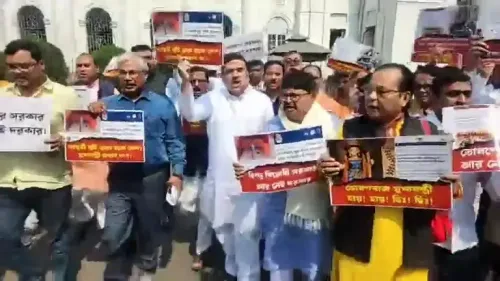
Tension also gripped Mukundapur, on the outskirts of Kolkata, over a dispute regarding the occupation of Trinamool party offices. BJP workers staged a protest outside the East Jadavpur police station when Trinamool leaders arrived to lodge a complaint, escalating the standoff. Kabir was allegedly attacked when he attempted to enter the station.
What Ghosh Said
Ghosh did not deny the incidents but reframed them, calling the Mukundapur episode a deliberate 'drama' and questioning the logic of targeting Kabir. 'Why would they beat Humayun Kabir? He is neither Trinamool nor BJP. Today, all the opposition parties, who are frustrated, are fighting among themselves. They are destroying their offices and trying to join the campaign by creating drama,' he said.
The minister placed the blame squarely on parties that previously held state power. 'There should be a limit to everything. This culture was initiated by the party which was in power in the state till early this year. Now they are in the Opposition but still maintaining that culture,' he alleged. He also questioned the police response, asking how egg-wielding individuals were allowed onto court premises.
'We have no problem with these incidents. They are facing an existential crisis now. Nothing will happen by creating such dramas,' Ghosh added.
BJP's Stated Position on Political Violence
Ghosh reiterated that the BJP's official stance opposes political violence. 'We want this to stop. We don't want to see the culture of political violence in the state anymore,' he said. However, critics argue the party's distancing is unconvincing given that BJP workers were present at the flashpoints and the alleged attacks were attributed to BJP-backed individuals, according to opposition accounts.
Notably, West Bengal has a long and documented history of politically motivated violence, with successive ruling parties — including the Left Front and Trinamool Congress — accused of using muscle power to control territory and party offices. The BJP's rise in the state has been accompanied by its own share of such allegations.
Broader Context and What Comes Next
The clashes come amid a shifting political landscape in West Bengal, where the BJP reportedly assumed a stronger foothold earlier in 2026. Opposition parties — the TMC, CPI-M, and others — are navigating a difficult transition from power to a fragmented opposition role. Infighting and turf disputes over party infrastructure, as seen in the Mukundapur office standoff, are likely to persist. Law enforcement's role in mediating these confrontations will face continued scrutiny in the days ahead.
Point of View
But it sidesteps a verifiable pattern: BJP workers were present at both flashpoints, and the alleged attackers were identified as BJP-backed by opposition accounts. Dismissing incidents as opposition theatre while one's own cadres are on the ground is a posture that invites scrutiny. West Bengal's cycle of political violence has outlasted every government that promised to end it — BJP now faces the same credibility test it once used against Trinamool. The real question is whether the state's law enforcement, now answerable to the new dispensation, will act impartially or become the next instrument of the same old cycle.
NationPress
23 Sept 2026
Frequently Asked Questions
What did Dilip Ghosh say about BJP and political violence in West Bengal?
Ghosh stated that the BJP rejects political violence and does not engage in it, attributing the culture of clashes to opposition parties that previously held power in the state. He described recent incidents, including the alleged attack on MLA Humayun Kabir, as 'drama' by frustrated opposition groups.
Who is Humayun Kabir and what allegedly happened to him?
Humayun Kabir is the MLA from Naoda and a former Trinamool Congress leader. He was allegedly beaten outside the East Jadavpur police station in Kolkata on Tuesday, 22 September, reportedly by BJP-backed miscreants when he attempted to enter the station to lodge a complaint.
What happened at Mukundapur in Kolkata?
Tension flared at Mukundapur, on the outskirts of Kolkata, over the alleged occupation of Trinamool party offices. The BJP was accused of attacking an MITC procession, and BJP workers staged protests outside the East Jadavpur police station when Trinamool leaders arrived to file a complaint.
What was the alleged incident involving CPI-M's Sayan Banerjee?
CPI-M leader and lawyer Sayan Banerjee was allegedly targeted with eggs at the Baruipur court, according to opposition accounts. The incident is part of a broader series of clashes that occurred on Tuesday in and around Kolkata.
Why are political clashes escalating in West Bengal in 2026?
The clashes are reportedly linked to a shifting power dynamic following the BJP's stronger hold over the state from early 2026, with opposition parties — including TMC and CPI-M — now contesting control of party offices and political turf they previously held. Analysts note that such post-transition violence has been a recurring feature in West Bengal's political history across successive ruling parties.