LNG carrier DISHA clears Strait of Hormuz with 62,370 MT cargo for Gujarat
Synopsis
With Gulf tensions running high, India's SCI-managed LNG carrier DISHA has cleared the Strait of Hormuz carrying 62,370 metric tonnes of gas for Gujarat — a quiet but consequential signal that India's energy supply chain is holding. Over 3,587 Indian seafarers have been repatriated since the Iran conflict escalated, and the DG Shipping control room has handled nearly 29,000 emails in the crisis period.
Key Takeaways
LNG carrier DISHA safely transited the Strait of Hormuz on 15 June with 62,370 metric tonnes of LNG bound for Dahej, Gujarat .
The vessel is expected to arrive in India by 18 June , according to the Ministry of Ports, Shipping, and Waterways .
DG Shipping has handled 12,737 calls and over 28,299 emails since its control room was activated after the Iran conflict escalation.
More than 3,587 Indian seafarers have been safely repatriated from the Gulf region, including 50 in the last 96 hours .
The government has ensured 100% supply of LPG, PNG, and CNG to domestic users; LPG booking intervals extended to 25 days (urban) and 45 days (rural).
Port operations across India remain normal with no congestion reported.
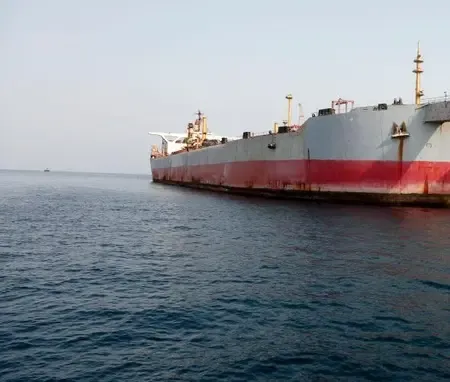
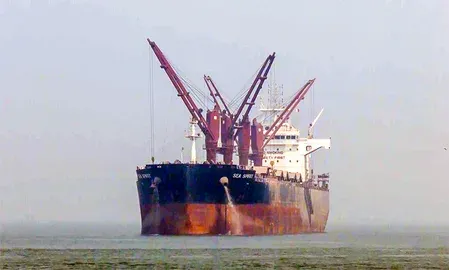
The Malta-flagged LNG carrier DISHA, managed by a Shipping Corporation of India (SCI)-led consortium, safely transited the Strait of Hormuz on Monday, 15 June, carrying 62,370 metric tonnes of liquefied natural gas destined for Dahej, Gujarat. The vessel is expected to arrive in India by 18 June, according to an official update from the Ministry of Ports, Shipping, and Waterways.
Safe Passage Amid Regional Tensions
The successful transit comes as geopolitical tensions in the Gulf region continue to weigh on global shipping routes. The Directorate General of Shipping (DG Shipping) has been maintaining round-the-clock coordination with the Ministry of External Affairs, Indian missions abroad, shipping companies, and other maritime stakeholders to safeguard Indian seafarers and vessels operating in the region.
Notably, DISHA's safe passage marks a significant development for India's energy supply chain, which depends heavily on LNG imports routed through the Hormuz chokepoint — a passage through which roughly 20% of global LNG trade flows.
DG Shipping Control Room: Scale of Operations
Since being activated following the escalation in the Iran conflict, the DG Shipping control room has handled 12,737 calls and more than 28,299 emails from seafarers, their families, and maritime stakeholders. In the last 96 hours alone, it received 406 calls and 784 emails.
The government has also facilitated the safe repatriation of more than 3,587 Indian seafarers from various locations across the Gulf region, including 50 in the last 96 hours. Port operations across India remain normal, with no congestion reported at any major terminal.
Fuel Supply Secured for Domestic Users
The Ministry of Petroleum and Natural Gas stated that despite the ongoing geopolitical situation, the government has ensured 100 per cent supply to domestic LPG and PNG users, as well as CNG for vehicles. For commercial LPG, priority has been extended to hospitals and educational institutions, followed by pharma, steel, automobile, seed, and agriculture sectors.
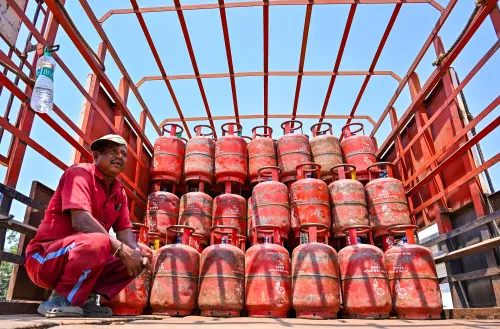
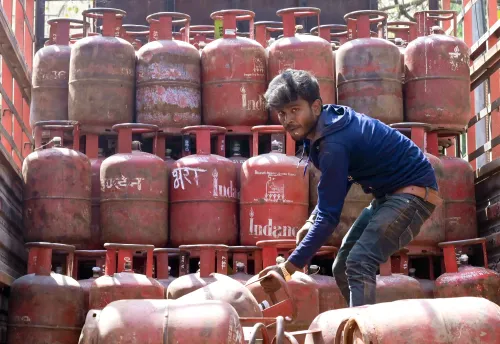
Supply of small 5 kg cylinders has been increased specifically to support the LPG requirements of migrant labour and students — a targeted measure that reflects the Centre's awareness of the vulnerability of lower-income groups during supply disruptions.
Rationalisation Measures on Supply and Demand
The government has implemented several rationalisation steps on both the supply and demand side. These include enhancing refinery production, increasing the LPG booking interval from 21 to 25 days in urban areas and up to 45 days in rural areas, and sector-wise prioritisation of supply, according to the official statement.
With DISHA on course for Dahej and domestic fuel supply holding steady, the immediate pressure on India's energy logistics appears contained — though the broader Gulf situation continues to demand vigilance.
Point of View
But it should not obscure the structural vulnerability it exposes: India's LNG import chain runs through one of the world's most contested chokepoints, and the current crisis has forced the government into reactive demand rationing — extending booking intervals and prioritising sectors — rather than drawing on strategic reserves. The repatriation of over 3,500 seafarers is a logistical achievement, but it also signals the scale of disruption to India's maritime workforce. If Gulf tensions persist, the pressure on domestic refinery output and commercial fuel allocation will intensify, and the 5 kg cylinder measure — while targeted — is a symptom of supply fragility, not a solution to it.
NationPress
19 Sept 2026
Frequently Asked Questions
What is the LNG carrier DISHA and where is it headed?
DISHA is a Malta-flagged LNG carrier managed by a Shipping Corporation of India-led consortium. It transited the Strait of Hormuz on 15 June carrying 62,370 metric tonnes of LNG and is expected to arrive at Dahej, Gujarat by 18 June.
Why is the DISHA transit significant amid Gulf tensions?
The Strait of Hormuz is a critical chokepoint for global LNG trade, and ongoing geopolitical tensions in the region have raised concerns about the safety of vessels and energy supply to India. DISHA's safe passage signals that India's LNG supply chain remains operational despite the crisis.
How many Indian seafarers have been repatriated from the Gulf?
More than 3,587 Indian seafarers have been safely repatriated from various Gulf locations since the DG Shipping control room was activated following the Iran conflict escalation, including 50 in the last 96 hours.
Is India's domestic fuel supply — LPG, PNG, CNG — affected by the Gulf crisis?
The Ministry of Petroleum and Natural Gas has stated that 100 per cent supply is being maintained for domestic LPG and PNG users and CNG for vehicles. Priority has been given to hospitals, educational institutions, and key industrial sectors for commercial LPG.
What rationalisation steps has the government taken to manage fuel supply?
The Centre has enhanced refinery production, extended LPG booking intervals from 21 to 25 days in urban areas and up to 45 days in rural areas, increased supply of 5 kg cylinders for migrant labour and students, and prioritised supply to critical sectors including pharma, steel, and agriculture.