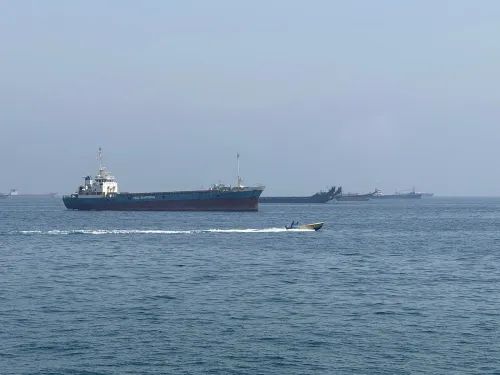
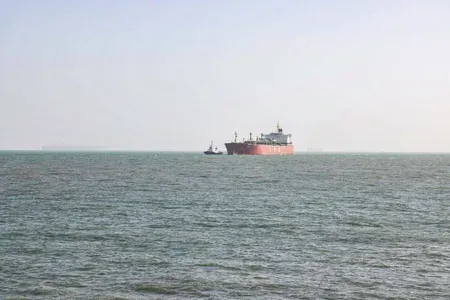
LNG tanker Disha docks at Gujarat's Dahej after 3-month Hormuz wait
Synopsis
After sitting in the Gulf for over three months as West Asia tensions spiked, the LNG tanker Disha finally docked at India's largest LNG import hub in Dahej, Gujarat, delivering 62,370 metric tonnes of Qatari gas. The safe Hormuz transit is a relief signal for India's energy supply chain — but also a reminder of how exposed it remains to geopolitical shocks on a single critical chokepoint.
Key Takeaways
The LNG tanker Disha arrived at Dahej LNG terminal, Gujarat on Friday at 7:32 am IST after a wait of over three months in the Gulf region.
The vessel carried 62,370 metric tonnes of LNG loaded at Qatar's Ras Laffan terminal .
The tanker is operated by a consortium led by the Shipping Corporation of India (SCI) and chartered for Petronet LNG Limited .
The delay was linked to heightened geopolitical tensions in West Asia , particularly involving Iran and the United States .
The Dahej terminal in Bharuch is India's largest LNG import hub, central to the country's gas distribution network.
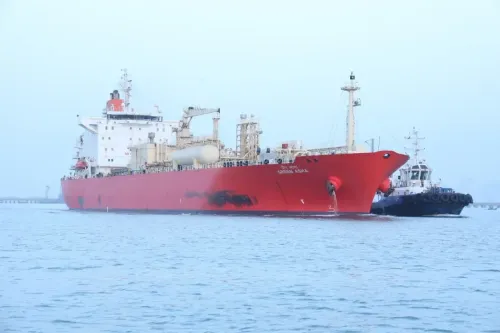
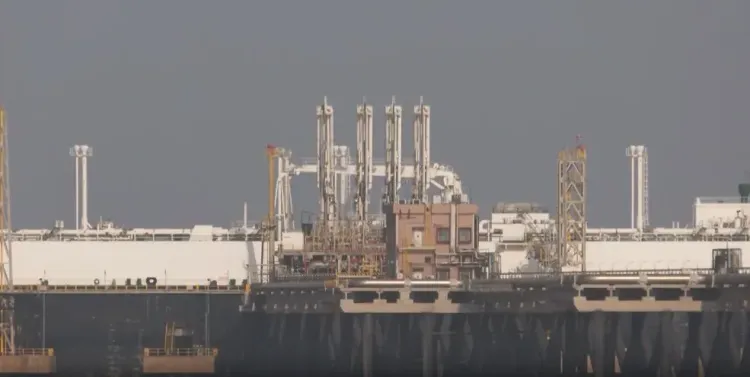
The LNG tanker Disha arrived at the Dahej LNG terminal in Gujarat on Friday at 7:32 am IST, delivering 62,370 metric tonnes of liquefied natural gas (LNG) after remaining stranded in the Gulf region for over three months amid heightened geopolitical tensions. The vessel's safe transit through the Strait of Hormuz — one of the world's most critical maritime chokepoints — has been received as a significant development for India's energy security.
Voyage and Cargo Details
The cargo was loaded at Qatar's Ras Laffan LNG terminal, one of the world's largest LNG export facilities. The Disha is operated under a consortium led by the Shipping Corporation of India (SCI) and has been chartered for Petronet LNG Limited, India's largest LNG importer. According to vessel tracking data, the tanker completed its transit and berthed at Dahej Port in Bharuch district early Friday morning.
Why the Three-Month Delay Matters
The vessel had reportedly been held in the Gulf region for more than three months before completing its passage, a delay attributed to the sharp escalation in tensions across West Asia — particularly involving Iran and the United States. The Strait of Hormuz, through which roughly 20% of global oil and gas trade passes, had been a focal point of those concerns. Any sustained disruption there carries direct consequences for energy-importing nations like India.
This is not the first time Indian energy shipments have faced delays linked to Hormuz-area tensions. The region has periodically disrupted LNG and crude tanker movements, placing pressure on terminal inventories and downstream pricing. The Disha's successful arrival ends what had been an extended period of uncertainty for stakeholders in India's gas supply chain.
Strategic Role of Dahej Terminal
The Dahej LNG terminal in Bharuch, Gujarat, is India's largest LNG import hub and a backbone of the country's natural gas distribution network. It supplies regasified LNG to industries, power plants, and city gas distribution networks across western and central India. A prolonged delay in cargo arrivals at this terminal carries downstream implications for industrial consumers and household gas supplies.
Impact on India's Energy Supply Chain
The arrival of the 62,370-metric-tonne cargo is expected to bolster LNG availability at a time when domestic gas demand remains firm. Energy sector stakeholders had reportedly been monitoring the vessel's progress closely given the extended delay. The safe completion of this voyage also reinforces the operational resilience of the SCI-led consortium managing the tanker. Going forward, India's dependence on Gulf LNG routes means that any renewed flare-up in the region could again test the security of its energy import corridors.
Point of View
But it should not obscure the structural vulnerability it exposes. India sources a substantial portion of its LNG from the Gulf, and the Strait of Hormuz remains the only viable transit corridor — a single chokepoint that geopolitical actors can effectively hold hostage. A three-month delay on one tanker is manageable; a sustained closure or escalation would stress India's LNG terminal inventories within weeks. The episode strengthens the case for accelerating domestic gas production, diversifying LNG sourcing to non-Gulf suppliers, and building strategic LNG reserves — conversations that tend to fade once each crisis passes.
NationPress
19 Sept 2026
Frequently Asked Questions
What is the LNG tanker Disha and where did it dock?
The Disha is an LNG tanker operated under a consortium led by the Shipping Corporation of India (SCI) and chartered for Petronet LNG Limited. It docked at the Dahej LNG terminal in Bharuch, Gujarat, on Friday at 7:32 am IST, carrying 62,370 metric tonnes of liquefied natural gas loaded at Qatar's Ras Laffan terminal.
Why was the LNG tanker Disha delayed for three months?
The vessel had reportedly been stationed in the Gulf region for over three months due to heightened geopolitical tensions in West Asia, particularly involving Iran and the United States, which raised concerns over safe passage through the Strait of Hormuz.
What is the Strait of Hormuz and why does it matter for India?
The Strait of Hormuz is a narrow maritime chokepoint between the Gulf of Oman and the Persian Gulf, through which a significant share of global oil and LNG trade passes. For India, it is the primary transit route for Gulf energy imports, making any disruption there a direct threat to domestic energy supply.
What is the Dahej LNG terminal?
The Dahej LNG terminal, located in Bharuch district of Gujarat, is India's largest liquefied natural gas import hub. It regasifies imported LNG and supplies natural gas to industries, power plants, and city gas networks across western and central India.
How does the Disha's arrival affect India's energy supply?
The delivery of 62,370 metric tonnes of LNG is expected to bolster availability at the Dahej terminal and support stable gas supplies for industrial and domestic consumers. The safe transit also provides temporary relief to energy sector stakeholders who had been monitoring the vessel's prolonged delay.