DMK president Stalin hails VP Singh on Mandal remembrance day
Synopsis
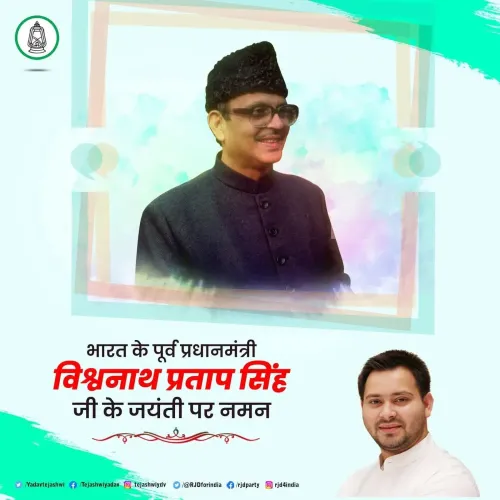
DMK president M. K. Stalin marked former Prime Minister V.P. Singh's remembrance day by crediting the 1990 Mandal OBC reservations for three decades of gains in education and jobs. He recalled M. Karunanidhi's welcome, quoted Singh on scoring his goal, and called him Greatest Of All Time.
Key Takeaways
Stalin on 27 November 2026 marked former PM V.P.
Singh's remembrance day, calling him Mandal Nayakar and a social-justice sentinel.
Stalin said Singh's courageous reservation is why OBC communities have advanced in education and jobs across India over the past 30 years.
Singh government in 1990 notified 27 percent OBC reservation in central jobs, implementing the Mandal Commission report.
Stalin recalled that Tamil Nadu and M.
Karunanidhi celebrated Singh as Great, and quoted Singh on scoring his goal even with a broken leg.
He described Singh as Greatest Of All Time, contrasting him with unnamed today's rulers he accused of acting to save a minority government and a chief minister's post.
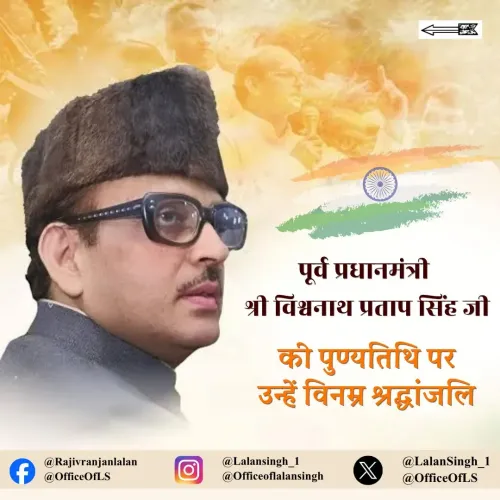
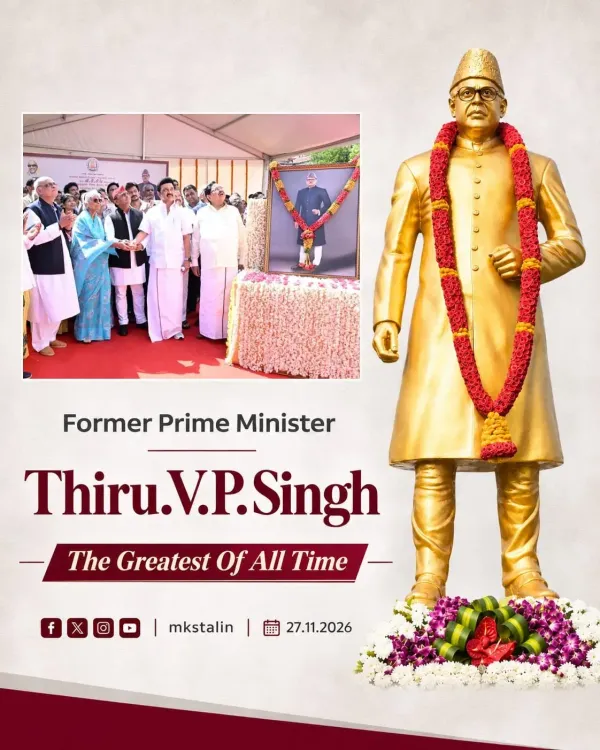
On the remembrance day of former Prime Minister Vishwanath Pratap Singh, DMK president M. K. Stalin on 27 November 2026 credited the 1990 Mandal reservations with lifting Other Backward Classes in education and jobs across India. He called Singh a social-justice sentinel who lived as if the mission outranked the chair — and, in the same breath, measured today's unnamed rulers against that standard.
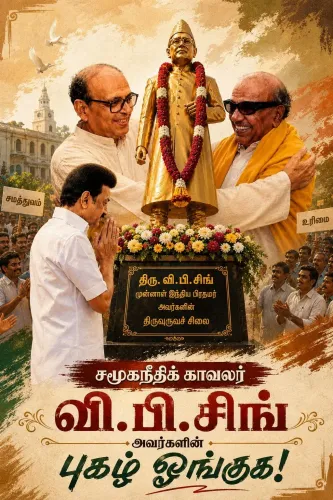
In a Tamil post, Stalin marked the day of the man he styled Mandal Nayakar (Mandal hero). Singh, he wrote, had governed with establishing social justice as his sole aim. The reason backward communities across India have risen in education and employment over the past 30 years, Stalin said, is the reservation Singh courageously granted.
He quoted Singh's own line: 'Even if my leg was broken, I scored the Goal I had to score.' That day, Stalin added, Tamil Nadu and then DMK leader M. Karunanidhi had celebrated Singh as Great.
How 27 percent OBC reservation recast central jobs
Singh, Prime Minister of the National Front government from 1989 to 1990, notified 27 percent reservation for Other Backward Classes in central government employment. The formula came from the Second Backward Classes Commission — the Mandal Commission — whose 1979–1980 report had waited a decade for a government willing to enforce it.
The decision detonated national politics. It also locked OBC quotas into the architecture of central recruitment, and later education. DMK and Karunanidhi publicly welcomed the 1990 implementation and coordinated with the National Front on social-justice measures. For a party whose identity is caste-based equity in classrooms and jobs, Mandal was confirmation, not conversion: it rhymed with Tamil Nadu's earlier reservation model.
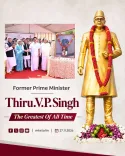
Kalaignar said Great; Stalin says GOAT
Stalin did not stop at the wreath. Looking at today's rulers, who he said have dared even despicable acts to save a minority government and a chief minister's post, it now seems right, he wrote, to celebrate V.P. Singh as Greatest Of All Time. He closed by wishing long life to the fame of the sentinel who showed that the work he came to do mattered more than posts and responsibilities.
That contrast — historical risk of office for reservation policy, set against unnamed present-day rulers — is a recurring DMK note on this anniversary. It does not settle the live fights over OBC sub-categorisation and creamy-layer criteria still moving through Parliament and the courts. It does claim the moral lineage.
Three decades after Mandal, a DMK remembrance of V.P. Singh is never only a date on the calendar. It is a reminder that in this politics, social justice remains the test of who deserves the chair.
Point of View
Treating the 1990 Mandal notification as the national echo of Tamil Nadu's older reservation politics. Invoking Karunanidhi's welcome is a lineage claim: DMK as custodian of OBC equity, not a late convert. The unnamed jab at today's rulers recasts reservation as a test of political courage rather than a closed chapter. The live arena for that language remains OBC sub-categorisation and creamy-layer rules still before Parliament and the courts.
NationPress
27 Nov 2026
Frequently Asked Questions
When is V.P. Singh's remembrance day?
Former Prime Minister V.P. Singh died on 27 November 2008, and his remembrance day is observed on 27 November each year. DMK president M. K. Stalin issued a tribute on that date in 2026.
What Mandal reservation did V.P. Singh implement?
The V.P. Singh government in 1990 notified 27 percent reservation for Other Backward Classes in central government jobs, based on the Second Backward Classes Commission. The move later shaped the wider architecture of OBC quotas.
What did MK Stalin say about VP Singh?
Stalin called Singh Mandal Nayakar, credited his reservation policy with OBC advances over 30 years, quoted him on scoring his goal even with a broken leg, and described him as Greatest Of All Time. He also contrasted Singh with unnamed today's rulers.
Did Karunanidhi support V.P. Singh's Mandal decision?
Yes. Then DMK leader M. Karunanidhi and Tamil Nadu publicly backed the 1990 implementation. Stalin recalled that they celebrated Singh as Great at the time.
Why does DMK remember V.P. Singh each year?
DMK tributes on this anniversary routinely link the 1990 Mandal decision to Tamil Nadu's earlier reservation model and the Dravidian emphasis on caste-based equity in education and employment. The posts also recast historical political risk as the measure of social-justice politics.