Dr. Jitendra Singh lauds UP, Rajasthan, J&K at Mission Karmayogi event
Synopsis
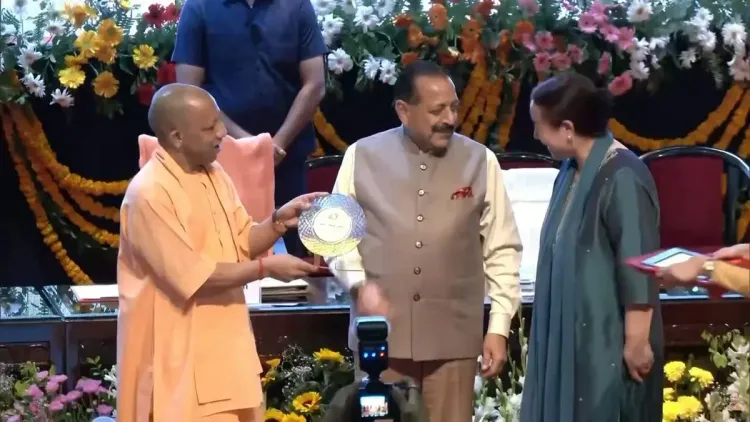
Union Minister Dr. Jitendra Singh has congratulated Uttar Pradesh, Rajasthan, and Jammu and Kashmir for ranking as the top three North Indian states and UTs under Mission Karmayogi at the DoPT's Sadhana Series regional workshop in Lucknow, spotlighting competitive federalism in civil service reform.
Key Takeaways
Uttar Pradesh , Rajasthan , and Jammu and Kashmir were adjudged the top three North Indian states and UTs under Mission Karmayogi .
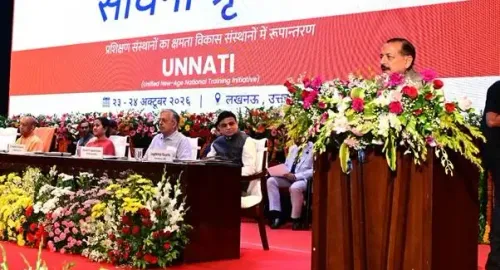
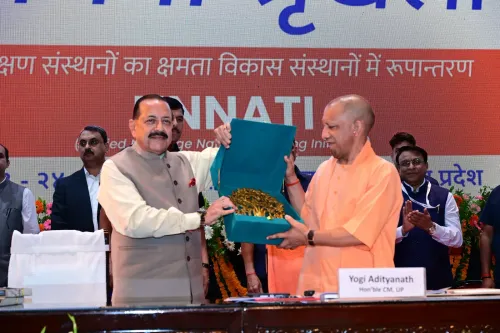
The recognition was conferred at a Sadhana Series regional workshop held in Lucknow on 23 October 2026 .
Mission Karmayogi (NPCSCB) was approved by the Union Cabinet in 2020 and launched in 2021 to build a citizen-centric, role-based civil service.
The iGOT-Karmayogi digital platform is the programme's delivery engine, providing competency-based training to officers across government.
The Sadhana Series workshops apply competitive federalism to administrative reform by publishing state-level performance rankings.
DoPT under the Ministry of Personnel oversees Mission Karmayogi and coordinates implementation across states and UTs.
Three states and union territories just earned a public hat-tip from a Union Minister for something that rarely makes headlines — how well their bureaucracies are training themselves. Union Minister of State (Independent Charge) for Science and Technology Dr. Jitendra Singh on Friday, 23 October 2026, congratulated Uttar Pradesh, Rajasthan, and Jammu and Kashmir for finishing as the top three contributors among North Indian states and UTs under Mission Karmayogi, as recognised at a Sadhana Series regional workshop held in Lucknow.
What the Lucknow workshop measured
The Sadhana Series is a circuit of regional workshops organised under the Department of Personnel and Training (DoPT) to review state and UT contributions to Mission Karmayogi and spotlight best practices in civil service capacity building. The Lucknow edition brought together government departments from across northern India, with rankings awarded on the basis of how actively each state or UT has engaged with the programme's competency-based training framework. Dr. Singh, who holds charge of the Ministry of Personnel through his role in the Prime Minister's Office, used the occasion to compliment 'the efforts of all government departments and States/UTs in strengthening citizen-centric, future-ready civil service.'
Mission Karmayogi: the programme behind the rankings
Mission Karmayogi — formally the National Programme for Civil Services Capacity Building (NPCSCB) — was approved by the Union Cabinet in 2020 and launched in 2021 as the government's flagship effort to reorient India's civil services from rule-based compliance toward role-based, outcome-driven governance. The centrepiece is the iGOT-Karmayogi digital platform, which delivers competency modules to officers across the hierarchy. The Sadhana Series workshops function as a performance-monitoring layer — translating platform adoption rates and training outcomes into visible, competitive rankings that nudge states to stay engaged.
Competitive federalism in administrative reform
The regional ranking format is deliberate policy design. By publishing which states lead and which lag, DoPT borrows the logic of competitive federalism — the same instinct that powers state-level indices on ease of doing business or school education outcomes — and applies it to the less glamorous machinery of in-service training. Uttar Pradesh, India's most populous state, topping the North India rankings signals scale of adoption; Rajasthan and Jammu and Kashmir rounding out the top three suggests the programme is gaining traction across geographically and administratively diverse units.
The next milestone to watch: a national consolidation of Sadhana Series rankings and any DoPT performance report on Mission Karmayogi placed before Parliament — the moment regional bragging rights become a national accountability record.
Point of View
The government signals that administrative capacity building is now a measurable, competitive exercise, not a passive checkbox. For Dr. Jitendra Singh, who straddles the PMO and the Ministry of Personnel, amplifying these rankings is consistent with the broader Modi-era governance doctrine of data-driven federalism. The real test will come when Parliament scrutinises whether Mission Karmayogi's training outputs are translating into measurably better service delivery on the ground.
NationPress
23 Oct 2026
Frequently Asked Questions
What is Mission Karmayogi?
Mission Karmayogi, formally the National Programme for Civil Services Capacity Building (NPCSCB), is a Union Cabinet-approved programme launched in 2021 to transform India's civil services from rule-based to role-based functioning through competency-driven training, primarily delivered via the iGOT-Karmayogi digital platform.
Which states topped Mission Karmayogi rankings in North India in 2026?
Uttar Pradesh, Rajasthan, and Jammu and Kashmir were adjudged the top three among North Indian states and UTs for their contributions under Mission Karmayogi, as announced at the Sadhana Series regional workshop in Lucknow on 23 October 2026.
What is the Sadhana Series under DoPT?
The Sadhana Series is a set of regional workshops organised by the Department of Personnel and Training (DoPT) to review state and UT performance under Mission Karmayogi, share best practices in civil service training, and publish competitive rankings to drive adoption.
What is the iGOT-Karmayogi platform?
iGOT-Karmayogi is the government's digital learning platform at the heart of Mission Karmayogi, providing competency-based training modules to civil servants across central and state governments.
What is DoPT and what role does it play in civil service reform?
The Department of Personnel and Training (DoPT), under the Ministry of Personnel, Public Grievances and Pensions, is the nodal agency that implements Mission Karmayogi and coordinates capacity-building initiatives for civil servants across India's states and union territories.