Dr. Jitendra Singh Launches Swachhata Campaign 6.0 Targets
Synopsis
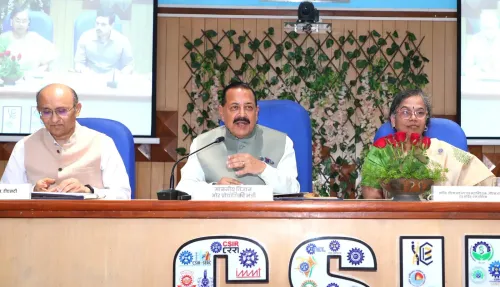
Union Minister Dr. Jitendra Singh has announced that the Ministry of Science and Technology will target over 1,500 cleanliness campaign sites and the Ministry of Earth Sciences around 100 sites under Special Swachhata Campaign 6.0, running October 2–31, 2026, continuing PM Modi's Swachhata emphasis.
Key Takeaways
Special Swachhata Campaign 6.0 runs from October 2 to 31, 2026 , launched on Gandhi Jayanti.
The Ministry of Science and Technology has set a target of over 1,500 cleanliness campaign sites nationwide.
The Ministry of Earth Sciences has set a separate target of approximately 100 sites .
S&T establishments and scientific institutions across India will participate, covering CSIR, DST, DBT and earth-sciences bodies like IMD.
The campaign is the sixth edition of an annual office-level drive that began with Special Swachhata Campaign 1.0 in 2021 , itself rooted in the Swachh Bharat Mission launched in 2014 .
Post-campaign metrics — scrap disposed, space freed, records digitised — will be the real measure of administrative reform achieved.
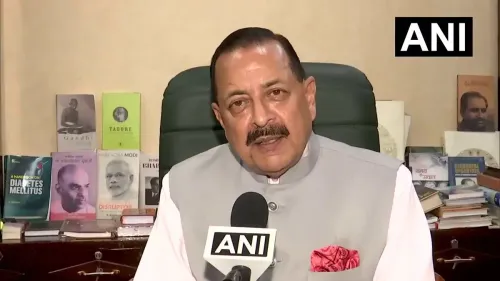
India's scientific establishment is going on a cleanliness offensive — and this time, the scale is the story. On Wednesday, September 30, 2026, Union Science and Technology Minister Dr. Jitendra Singh announced that the Ministry of Science and Technology has set a target of over 1,500 cleanliness campaign sites under Special Swachhata Campaign 6.0, running from October 2 to 31, while the Ministry of Earth Sciences has committed to covering around 100 sites across its network.
What the 1,500-site target means for S&T establishments
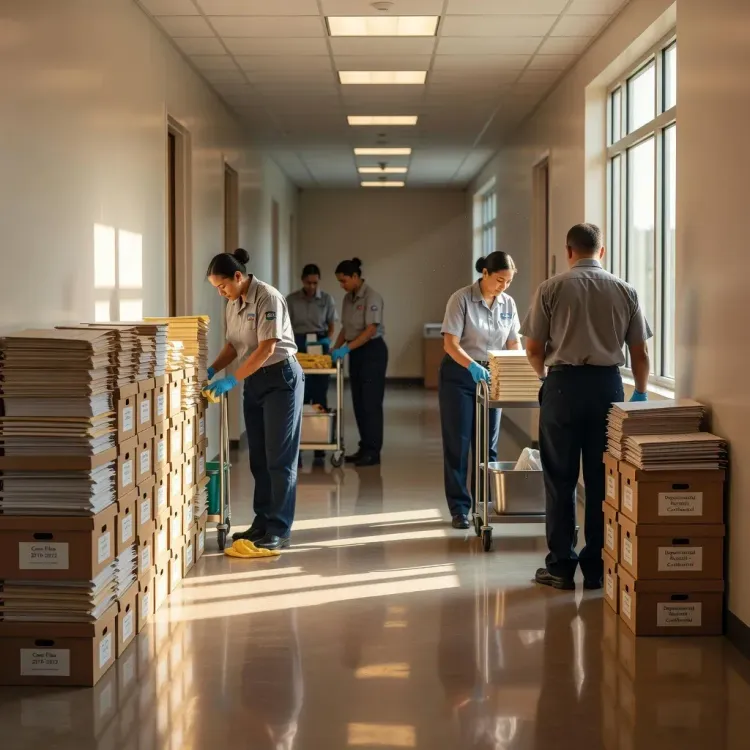
The scale of the Ministry of Science and Technology's commitment is striking. Over 1,500 sites spanning scientific institutions, research labs, and S&T establishments across the country will participate — making this one of the most expansive editions of the annual drive to date. Bodies under the ministry's umbrella include the Council of Scientific and Industrial Research (CSIR), the Department of Science and Technology (DST), and the Department of Biotechnology (DBT), each with multiple laboratories and offices spread across India's states and union territories. The Ministry of Earth Sciences, which oversees bodies such as the India Meteorological Department (IMD) and ocean-observation agencies, adds another ~100 sites to the national count. Together, the two ministries Dr. Jitendra Singh helms are staking out a combined footprint that few single-ministry campaigns can match.From Swachh Bharat to Campaign 6.0 — five years of office-level reform
The campaign's DNA traces back to Prime Minister Narendra Modi's Swachh Bharat Mission, launched in 2014 as a nationwide sanitation programme. The office-focused variant — Special Swachhata Campaign 1.0 — was introduced in 2021, targeting record management, scrap disposal, and workspace hygiene in central government offices. Each successive edition has broadened its mandate: later campaigns incorporated space optimisation, digitisation of records, and the disposal of redundant government assets. Campaign 6.0, kicking off on October 2 — Gandhi Jayanti, a date deliberately chosen to echo the Mahatma's emphasis on cleanliness — continues that trajectory. Dr. Jitendra Singh noted the campaign 'carries forward PM Shri Narendra Modi Ji's emphasis on Swachhata, efficient workplaces and optimum utilisation of Government resources.'Why technical ministries are the ones to watch
Scientific and earth-sciences departments are not the most obvious candidates for a cleanliness drive headline. But that is precisely what makes their participation notable. Labs accumulate years of legacy equipment, physical records, and outdated instrumentation — all of which represent both a storage burden and, once cleared, a potential resource recovery. Analysts watching this space will track post-campaign disclosures on volumes of scrap disposed, records digitised, and floor space freed — metrics that signal real administrative reform beyond the optics of a sweep. With October 31 as the closing date, expect ministry-level progress reports to follow shortly after — and for those numbers to become the real scorecard of Campaign 6.0.Point of View
And now deep into India's scientific infrastructure. The expansion into technical ministries is administratively significant: laboratories and earth-sciences offices carry legacy asset burdens that cleaner record management and scrap disposal could genuinely unlock. The campaign's real value will be visible only in the post-October data; if the 1,500-site commitment translates to measurable asset disposal and space optimisation, it strengthens the case for institutionalising such drives annually. If numbers remain opaque, it risks looking like an elaborate ceremonial exercise timed to Gandhi Jayanti.
NationPress
1 Oct 2026
Frequently Asked Questions
What is Special Swachhata Campaign 6.0?
Special Swachhata Campaign 6.0 is the sixth annual government-wide cleanliness and waste-reduction drive in central ministry offices and establishments, running from October 2 to 31, 2026. It builds on earlier editions introduced in 2021 as part of PM Modi's Swachh Bharat emphasis.
How many sites will the Ministry of Science and Technology cover?
The Ministry of Science and Technology has set a target of over 1,500 cleanliness campaign sites under Special Swachhata Campaign 6.0, covering S&T establishments and institutions across India.
What is the Ministry of Earth Sciences' target for the campaign?
The Ministry of Earth Sciences has set a target of approximately 100 sites to be covered during Special Swachhata Campaign 6.0 in October 2026.
When did the Special Swachhata Campaign start?
The Special Swachhata Campaign was first launched as Campaign 1.0 in 2021 to focus on cleanliness, record management, and scrap disposal in central government offices, rooted in the Swachh Bharat Mission of 2014.
Why does the campaign start on October 2?
October 2 is Gandhi Jayanti, the birth anniversary of Mahatma Gandhi, who was a prominent advocate of cleanliness. The government has consistently used the date to launch or reinforce Swachhata-related programmes since 2014.