Dr. Jitendra Singh Shares PM Modi's Meet with IAS 2024 Batch
Synopsis
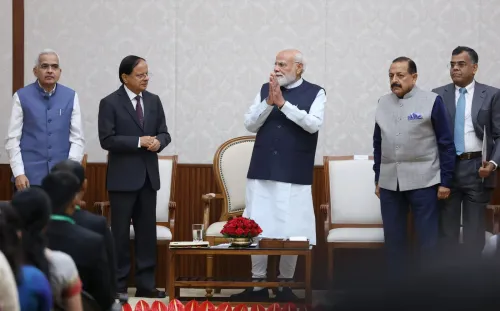
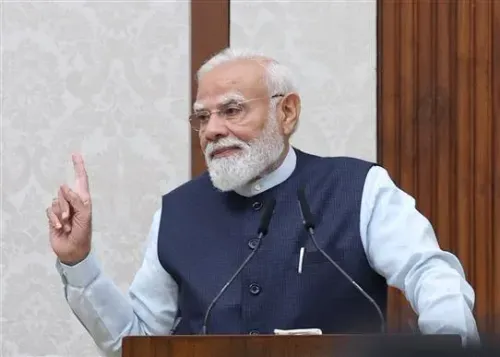
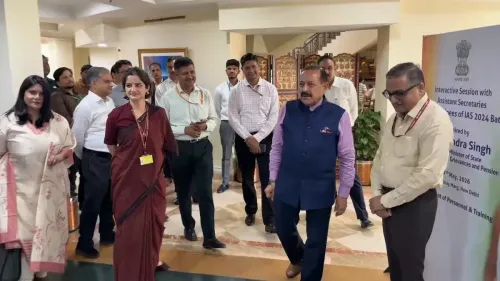
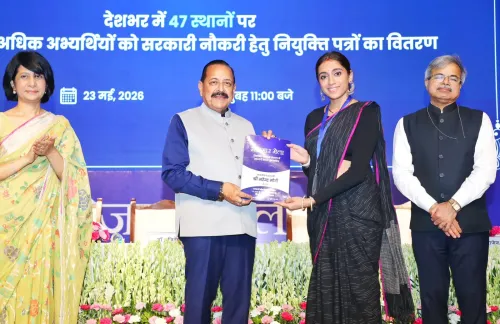
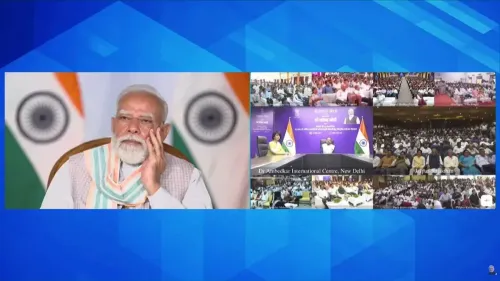
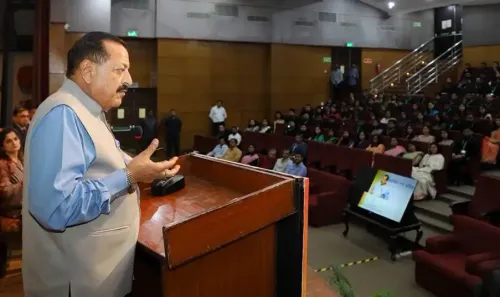
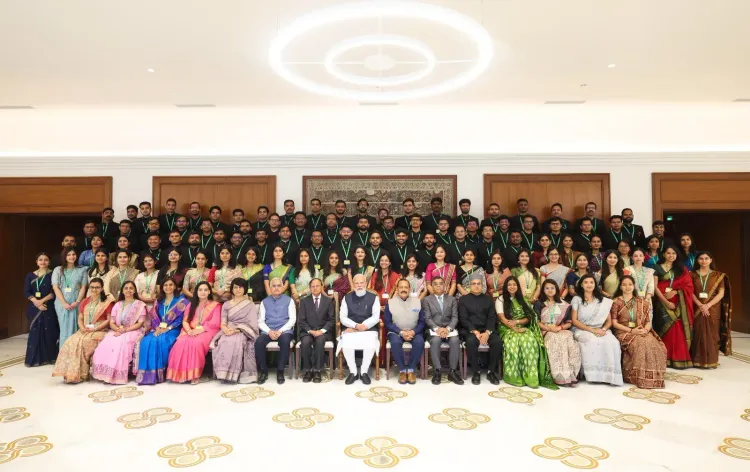
Prime Minister Modi met IAS 2024 Batch officer trainees serving as Assistant Secretaries in central ministries at 'Seva Teerth', New Delhi. Union Minister Dr. Jitendra Singh shared the photograph, calling it a reflection of the next generation's commitment to nation-building under the DoPT's structured attachment programme.
Key Takeaways
PM Narendra Modi met IAS 2024 Batch officer trainees attached as Assistant Secretaries across central ministries at 'Seva Teerth' , New Delhi , on 23 June 2026 .
The photograph was shared by Dr.
Jitendra Singh , Union Minister of State (Independent Charge) for Personnel and DoPT oversight.
The Assistant Secretary attachment programme , introduced in 2015 , places IAS probationers in central secretariat postings before their state cadre assignments.
Mission Karmayogi , approved in 2020 , underpins the broader civil services capacity-building framework within which the attachment sits.
The programme aims to bridge the traditional divide between state-cadre officers and Union-level policy-making from the start of their careers.
Trainees will next move to district-level field postings in their allotted state cadres after completing the central attachment.
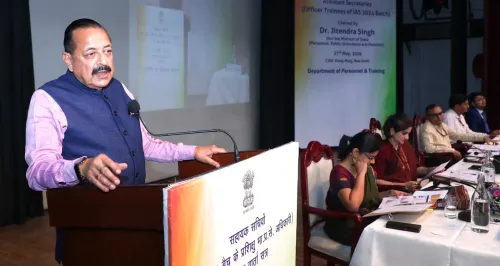
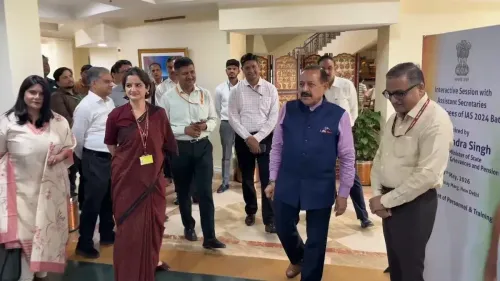
Union Science and Technology Minister and Minister of State for Personnel Dr. Jitendra Singh on Tuesday, 23 June 2026, shared a group photograph of Prime Minister Narendra Modi with officer trainees of the IAS 2024 Batch, who are currently attached as Assistant Secretaries across various central ministries and departments. The photograph was taken at 'Seva Teerth' in New Delhi, and Dr. Singh described the moment as reflecting 'the energy, commitment and vision of India's next generation of administrators dedicated to nation-building.'
Context
The IAS 2024 Batch officer trainees are presently serving brief central secretariat attachments as part of a structured programme that places freshly trained Indian Administrative Service probationers directly inside Union ministries. The initiative, introduced in 2015, is designed to give young officers hands-on exposure to central policy-making before they take up their respective state cadre postings. Dr. Singh, who holds independent charge of the Department of Personnel and Training (DoPT), tagged the post with #DoPT, signalling the ministry's direct role in organising the engagement.
The meeting with the Prime Minister is a high-visibility moment in the attachment calendar, offering the new cohort a direct interface with the country's top executive. Such interactions have become a recurring feature under the present administration, reinforcing the government's emphasis on aligning civil servants with national priorities from the very outset of their careers.
Policy Backdrop
The Assistant Secretary attachment programme sits within a broader framework of civil services reform. In 2020, the Union Cabinet approved Mission Karmayogi — the National Programme for Civil Services Capacity Building — to create a technology-driven, competency-based training ecosystem for all central government employees. The programme seeks to move civil service development away from rule-based compliance toward role-based capability, equipping officers to handle complex, cross-sectoral governance challenges.
The Department of Personnel and Training, which Dr. Jitendra Singh oversees, is the nodal agency responsible for IAS recruitment, training design, and cadre allocation. The central attachment stint is one of the most visible elements of the pre-cadre training architecture and has been retained and expanded across successive annual batches.
Stakeholders and Impact
For the IAS 2024 Batch trainees, the attachment period represents a formative window: they observe how central ministries draft policy, manage inter-departmental coordination, and respond to parliamentary accountability. Ministries hosting them also benefit from fresh analytical inputs from officers who arrive with contemporary academic and competitive-examination preparation.
Beyond individual career development, the programme has systemic implications. By exposing state-cadre officers to central governance early, the government aims to reduce the traditional silo between state administrations and the Union executive — a persistent structural challenge in Indian federal governance. The photograph shared by Dr. Singh, taken at 'Seva Teerth', underscores the symbolic weight the administration places on such moments of convergence between political leadership and the permanent civil service.
What's Next
The IAS 2024 Batch trainees will complete their central attachment stints before proceeding to their allotted state cadres for district-level field training — the final stage before they assume independent charge as officers. Attention will also remain on parliamentary updates regarding the implementation of Mission Karmayogi, including annual capacity-building reports and any expansion of the programme's digital learning infrastructure. The next Civil Services recruitment calendar from the Union Public Service Commission will signal the pipeline for the cohort that follows.
Point of View
The government signals continuity of its administrative reform agenda to the civil services pipeline itself. The 'Seva Teerth' setting and the #DoPT tag together frame the encounter as ministerially curated, not incidental. This fits a consistent pattern under the present administration of using high-visibility interactions between political leadership and the permanent bureaucracy to reinforce the 'nation-building' narrative around civil service careers. The deeper policy signal is that the central attachment programme — and Mission Karmayogi behind it — are now established enough to be publicly championed at the ministerial level as governance achievements in their own right.
NationPress
23 Jun 2026
Frequently Asked Questions
What is the IAS Assistant Secretary attachment programme?
The IAS Assistant Secretary attachment programme, introduced in 2015 , places newly trained Indian Administrative Service probationers in central government ministries for a structured stint before they join their allotted state cadres, giving them direct exposure to Union-level policy-making.
Why did PM Modi meet IAS 2024 Batch trainees?
PM Narendra Modi met the IAS 2024 Batch officer trainees as part of a recurring engagement with probationers serving their central secretariat attachment, reinforcing the government's emphasis on aligning new administrators with national priorities early in their careers.
What is Mission Karmayogi?
Mission Karmayogi is the National Programme for Civil Services Capacity Building, approved by the Union Cabinet in 2020 , designed to shift civil service training from rule-based compliance to competency-based, technology-driven development for all central government employees.
What is DoPT and what role does Dr. Jitendra Singh play?
The Department of Personnel and Training (DoPT) is the nodal central agency managing IAS recruitment, training, and cadre allocation. Dr. Jitendra Singh holds independent charge of the Ministry of Personnel, Public Grievances and Pensions, making him the political head overseeing DoPT.
What happens after IAS probationers complete the central attachment?
After completing the Assistant Secretary attachment in central ministries, IAS probationers proceed to their allotted state cadres for district-level field training — the final phase before they assume independent charge as full officers.