Women cash transfer schemes in Maharashtra, Odisha boost savings 84%: EAC-PM study
Synopsis
An EAC-PM working paper finds that Maharashtra's Ladki Bahin and Odisha's Subhadra cash transfer schemes raised beneficiaries' month-end savings by 84% while monthly spending climbed 46% — with nearly 90 paise of every rupee received going back into household consumption. The data makes a rare, numbers-backed case for unconditional women-focused transfers as a tool for financial resilience, not just welfare.
Key Takeaways
The EAC-PM released a working paper on 6 July assessing Maharashtra's Mukhyamantri Majhi Ladki Bahin Yojana and Odisha's Subhadra Yojana .
Maharashtra's scheme raised beneficiaries' month-end balances by 84% (₹6,884 per beneficiary) and monthly spending by 46% (₹1,349).
The marginal propensity to consume was 0.90 — beneficiaries spent nearly 90 paise per additional rupee while still saving.
Both programmes produced positive household spillovers, improving finances of family members beyond direct recipients.
The paper recommends evolving both schemes into cash-plus architectures with digital literacy and SHG linkages.
Stronger beneficiary targeting through hybrid multidimensional verification was also recommended to avoid exclusion errors.
Cash transfer programmes targeting poor women in Maharashtra and Odisha have significantly improved beneficiaries' savings and household spending on health and education, according to a working paper released by the Economic Advisory Council to the Prime Minister (EAC-PM). The paper, published on 6 July, draws on monthly bank account data to assess the real-world impact of two state-run schemes.
What the Study Examined
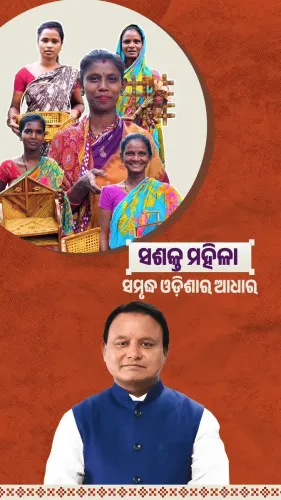
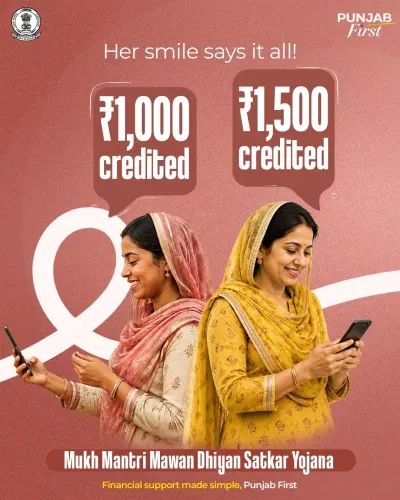
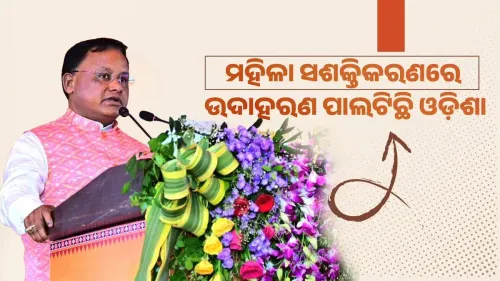
Titled 'Unconditional Women Cash Transfer Programmes in India: Evidence from Maharashtra and Odisha', the working paper analyses Maharashtra's Mukhyamantri Majhi Ladki Bahin Yojana and Odisha's Subhadra Yojana. The Maharashtra scheme disburses ₹1,500 per month (₹18,000 annually) to eligible women, while the Odisha scheme provides ₹10,000 in two instalments over the year. Both are unconditional transfers — recipients face no requirement to spend the money in prescribed ways.
Key Findings: Savings and Spending Both Rose
The EAC-PM paper found that Maharashtra's Ladki Bahin programme raised beneficiaries' month-end bank balances by approximately 84 per cent, or ₹6,884 per beneficiary. Monthly spending by the same group rose by 46 per cent, or ₹1,349. The estimated marginal propensity to consume was around 0.90 — meaning beneficiaries spent nearly 90 paise of every additional rupee received while still accumulating savings, a pattern the paper attributes to significant liquidity constraints among low-income households.
The study further noted that both programmes generated positive spillover effects across the household — improving the financial positions of other family members while also reducing their expenditure outflows on necessities.
Why Women-Focused Transfers Outperform Gender-Neutral Ones
The paper situates its findings within a broader global evidence base, noting that women-focused transfers consistently generate stronger developmental outcomes than gender-neutral schemes. In the Indian context, the study highlights that digital payment infrastructure has materially strengthened these mechanisms, enabling direct, verifiable disbursements into individual bank accounts. This is notably in line with the expansion of the Jan Dhan-Aadhaar-Mobile (JAM) architecture over the past decade.
Recommendations: Cash-Plus Architectures and Better Targeting
The EAC-PM paper recommends that both programmes be sustained and evolved into cash-plus architectures — combining income transfers with voluntary capacity-building, digital literacy training, and linkages to self-help groups (SHGs). On beneficiary identification, it calls for progressively strengthening targeting through hybrid multidimensional verification frameworks that improve precision without excluding deserving women.
The findings arrive at a time when several Indian states have launched or expanded direct benefit transfers for women, making the evidence base around their fiscal and social returns increasingly relevant to policymakers at both the state and central levels.
Point of View
Not survey recall. An 84% rise in month-end balances is a hard number that is difficult to dismiss. What the paper quietly surfaces, however, is the depth of liquidity stress in these households: a 0.90 marginal propensity to consume means these women were spending almost everything they received, which speaks to pre-existing deprivation rather than profligacy. The recommendation to move toward cash-plus architectures is sound, but the harder political question — whether state governments will sustain these schemes beyond election cycles — goes unaddressed. The evidence is now on the table; the institutional will to act on it is the real variable.
NationPress
5 Oct 2026
Frequently Asked Questions
What is the EAC-PM working paper on women cash transfer schemes?
It is a study titled 'Unconditional Women Cash Transfer Programmes in India: Evidence from Maharashtra and Odisha', published by the Economic Advisory Council to the Prime Minister. It analyses the financial impact of Maharashtra's Mukhyamantri Majhi Ladki Bahin Yojana and Odisha's Subhadra Yojana using monthly bank account data.
How much did savings increase under Maharashtra's Ladki Bahin scheme?
Beneficiaries' month-end bank balances rose by approximately 84 per cent, or ₹6,884 per beneficiary, according to the EAC-PM paper. Monthly spending also increased by 46 per cent, or ₹1,349.
What is the Subhadra Yojana in Odisha?
Odisha's Subhadra Yojana is an unconditional cash transfer scheme for women that provides ₹10,000 in two instalments over the year. Along with Maharashtra's Ladki Bahin scheme, it was studied to assess how direct transfers affect savings, spending, and household financial resilience.
Why do women-focused cash transfers produce better outcomes than gender-neutral ones?
According to the EAC-PM paper, global evidence consistently shows women-focused transfers generate stronger developmental outcomes, as women tend to allocate resources toward household health, education, and savings. In India, digital payment infrastructure has further strengthened these outcomes by enabling direct, verifiable disbursements.
What changes did the EAC-PM recommend for these schemes?
The paper recommended evolving both programmes into cash-plus architectures that combine income transfers with voluntary capacity-building, digital literacy, and self-help group linkages. It also called for hybrid multidimensional verification frameworks to sharpen beneficiary targeting without excluding eligible women.