El Niño to stay strong through Sep, warns INCOIS in August 15 report
Synopsis
INCOIS has put an 80–98% probability on El Niño remaining dominant through March 2027 — a span that covers the heart of India's fishing season and the next monsoon cycle. With marine heatwaves already at moderate-to-extreme levels across the Arabian Sea and Bay of Bengal, the agency is warning of declining sardine and mackerel landings, coral bleaching risk, and heightened coastal hazards. This is not a distant forecast — the stress is already measurable in the water.
Key Takeaways
INCOIS confirmed El Niño has strengthened, with an 80–98% probability of it remaining the dominant ENSO phase from August 2026 to March 2027 .
Moderate-to-extreme marine heatwaves are already widespread across the Arabian Sea and Bay of Bengal .
A modest decline in landings of Indian Oil Sardine and Indian Mackerel is expected, along with possible reduction in average fish size.
Increased risk of coral bleaching due to prolonged thermal stress on reef ecosystems.
La Niña probability remains below 2% through April 2027; ENSO-neutral conditions may rise to 45% by April 2027.
INCOIS has urged fishermen, coastal communities, and disaster-management agencies to monitor its full suite of ocean advisories.
The Indian National Centre for Ocean Information Services (INCOIS) has warned that El Niño has strengthened and is expected to remain the dominant climate phase through the July–September 2026 season, according to its latest ocean outlook published on 15 August 2026. The agency projects an 80 to 98 per cent probability of El Niño persisting from August 2026 through March 2027, with significant consequences for Indian fisheries, coral reefs, and coastal communities.
What El Niño Means for the Indian Ocean
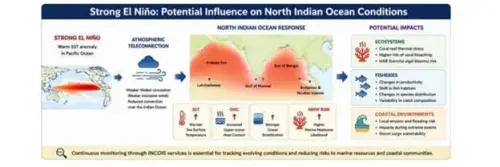
According to INCOIS, the ongoing El Niño is already driving higher sea surface temperatures (SST), elevated upper-ocean heat content, stronger ocean stratification, and widespread marine heatwaves across the North Indian Ocean. Moderate-to-extreme marine heatwave conditions have been observed across substantial portions of both the Arabian Sea and the Bay of Bengal.
The agency noted that warmer ocean conditions may heighten thermal stress on coral reef ecosystems, increasing the likelihood of coral bleaching during prolonged marine heatwave events. This comes amid already fragile reef health along India's western and eastern coastlines.
Impact on Fisheries and Fish Landings
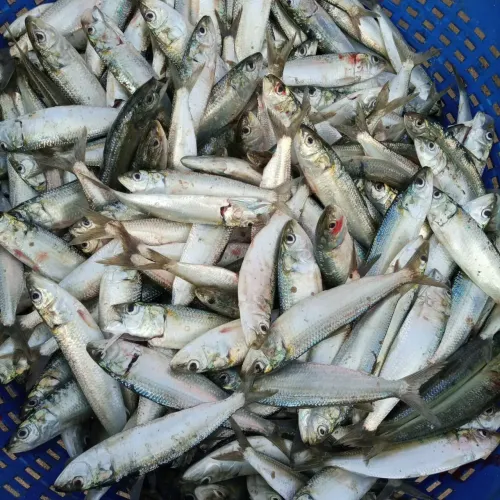
The warming associated with El Niño is likely to cause a modest decline in small pelagic fish landings, particularly Indian Oil Sardine and Indian Mackerel, during the upcoming fishing season. INCOIS also flagged a possible reduction in the average size of these species. 'Prolonged warming and associated changes in ocean productivity and fish habitats may alter the distribution and availability of commercially important fish species,' the agency said.
Changes in ocean temperature and marine productivity may further shift Potential Fishing Zones (PFZs), complicating navigation for fishing communities that depend on INCOIS advisories to locate productive waters.
Coastal Hazards and Extreme Weather Risk
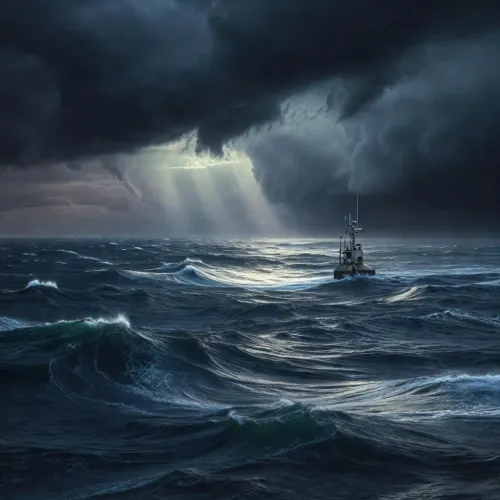
'Warmer ocean conditions may influence the background environment for extreme weather events, while coastal regions may remain vulnerable to localised erosion, flooding and storm-surge impacts during severe weather episodes,' the INCOIS report stated. The agency has urged fishermen, maritime operators, coastal communities, tourism stakeholders, and disaster-management agencies to closely monitor its suite of ocean services throughout the forecast period.
These services include Potential Fishing Zone advisories, Ocean State Forecasts (OSF), High Wave Alerts, Swell Advisories, Storm Surge Forecasts, and Coastal Inundation Services. The agency also confirmed it will continue issuing its Marine Heatwave Advisory System (MAHAS), Coral Bleaching Alerts, and Harmful Algal Bloom (HAB) advisories.
El Niño Forecast Through April 2027
ENSO-neutral conditions are projected to be the second most likely phase, with probabilities of 5 to 20 per cent between August 2026 and March 2027, rising to around 45 per cent by April 2027. La Niña remains the least probable outcome, with probabilities of less than 2 per cent through April 2027, according to the INCOIS report.
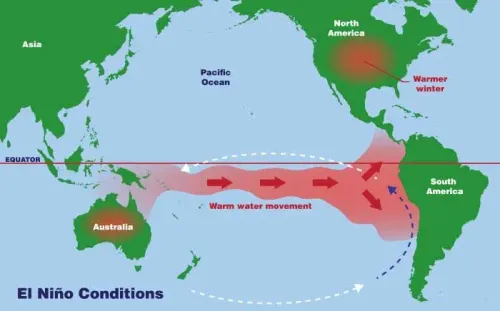
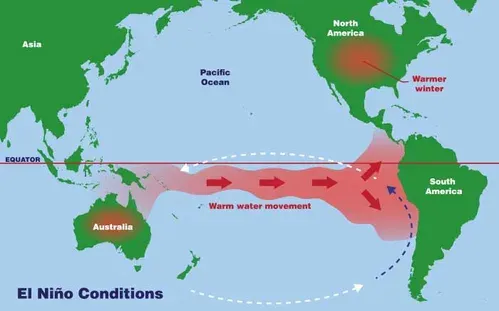
El Niño — defined as the warming of the eastern Pacific Ocean during the positive phase of the El Niño–Southern Oscillation (ENSO) — is known to suppress Indian summer monsoon rainfall, with downstream effects on agricultural output and economic activity. 'Monitoring the El Niño condition and predicting its further evolution with sufficient lead time is of prime importance for better preparedness and policymaking,' INCOIS said.
What Comes Next
With El Niño forecast to dominate through most of the coming fishing and monsoon transition seasons, coastal administrations and fisheries departments will need to factor the altered ocean conditions into their planning. INCOIS has indicated it will update its advisories continuously as the El Niño evolves, providing operational guidance to all maritime and coastal stakeholders.
Point of View
Coral bleaching, and shifting fish habitats do not reset between seasons. For coastal fishing communities already under economic stress, a prolonged El Niño is a slow-moving livelihood crisis, not merely a weather advisory. The policy gap — between INCOIS's increasingly precise ocean forecasting and the disaster-preparedness capacity of district-level fisheries and coastal administrations — remains wide.
NationPress
24 Aug 2026
Frequently Asked Questions
What did INCOIS say about El Niño in its August 2026 report?
INCOIS stated in its report published on 15 August 2026 that El Niño has strengthened and is expected to remain the dominant ENSO phase from August 2026 through March 2027, with probabilities ranging from 80 to 98 per cent. The agency warned of widespread impacts on Indian Ocean conditions, fisheries, coral reefs, and coastal safety.
How will El Niño affect fish catches in India?
INCOIS has projected a modest decline in landings of Indian Oil Sardine and Indian Mackerel during the upcoming fishing season, along with a possible reduction in average fish size. Prolonged ocean warming may also shift the distribution of commercially important fish species, altering where productive fishing zones are located.
What is a marine heatwave and how widespread is it now?
A marine heatwave refers to a period of anomalously high sea surface temperatures that persists for five or more days. According to INCOIS, moderate-to-extreme marine heatwave conditions are already widespread across the Arabian Sea and Bay of Bengal, raising the risk of coral bleaching and disrupting marine ecosystems.
Will El Niño weaken by early 2027?
According to the INCOIS forecast, ENSO-neutral conditions are projected to rise to around 45 per cent probability by April 2027, suggesting a gradual weakening of El Niño. However, La Niña — the opposite cooling phase — remains unlikely, with probabilities below 2 per cent through April 2027.
What advisories is INCOIS issuing for fishermen and coastal communities?
INCOIS is urging fishermen, maritime operators, coastal communities, tourism stakeholders, and disaster-management agencies to monitor its Potential Fishing Zone advisories, Ocean State Forecasts, High Wave Alerts, Swell Advisories, Storm Surge Forecasts, and Coastal Inundation Services. It will also continue issuing Marine Heatwave Advisory System (MAHAS) updates, Coral Bleaching Alerts, and Harmful Algal Bloom advisories.