Are Electoral Reforms by the EC Empowering Voters Fully? Anurag Thakur Discusses in Lok Sabha
Synopsis
As the Lok Sabha engages in a heated discussion on electoral reforms, BJP MP Anurag Thakur emphasizes the need for full voting rights for citizens. With significant political figures weighing in, this debate promises to shape the future of India's electoral landscape. Explore the implications of these reforms and the responses from the Opposition.
Key Takeaways
Electoral reforms are aimed at empowering voters.
Debate in Lok Sabha includes significant political figures.
Concerns about fairness and transparency are raised by the Opposition.
SIR process will help clean up electoral rolls.
Government aims to enhance electoral integrity.
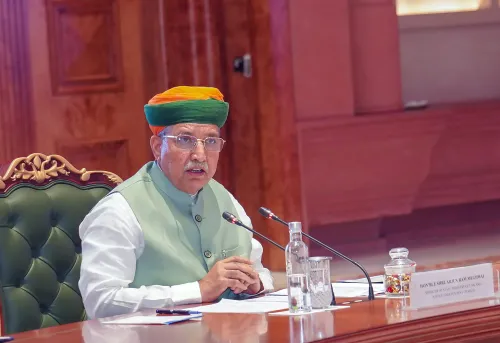
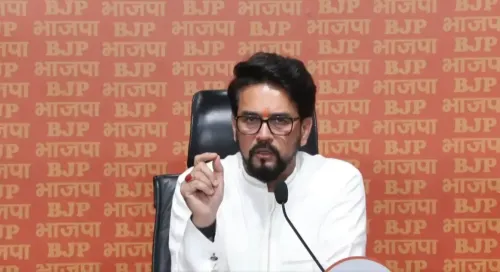
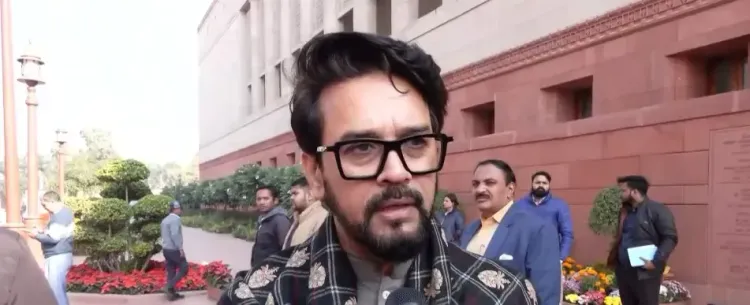
New Delhi, Dec 9 (NationPress) As discussions regarding electoral reforms progress in the Lok Sabha, BJP MP Anurag Thakur stated on Tuesday that the Election Commission has initiated reforms aimed at ensuring comprehensive voting rights for citizens, emphasizing that there should be no opposition to these initiatives.
In an interview with IANS, Anurag Thakur remarked, “In the past decade, the Narendra Modi administration has abolished numerous outdated laws from the British era, while new legislation has been introduced to foster positive transformations in people's lives.”
“Now, the Election Commission has proposed electoral reforms to guarantee full rights to voters. There should be no resistance to this. During the Bihar elections, no individual reported that their vote was removed. Political parties had sufficient time to voice concerns, yet none claimed they were obstructed from voting,” he noted.
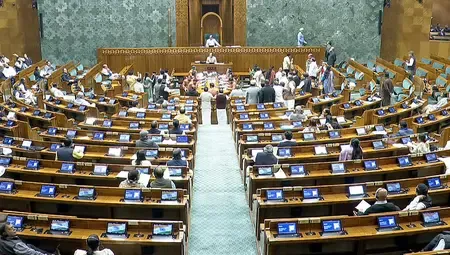
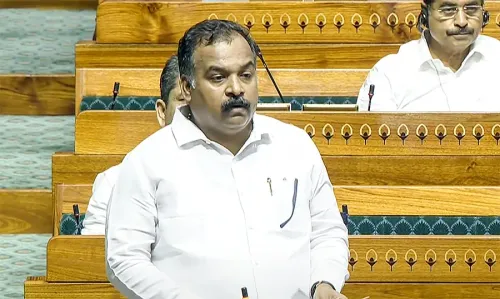
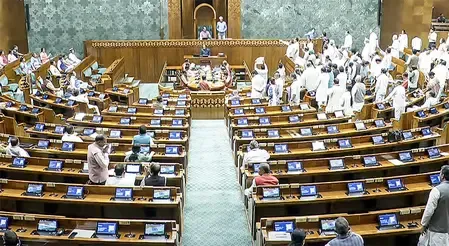
The discussions surrounding electoral reforms are currently the focus of an extensive and politically charged debate in the Lok Sabha, with the House allocating ten hours for a thorough discussion during the Winter Session of Parliament.
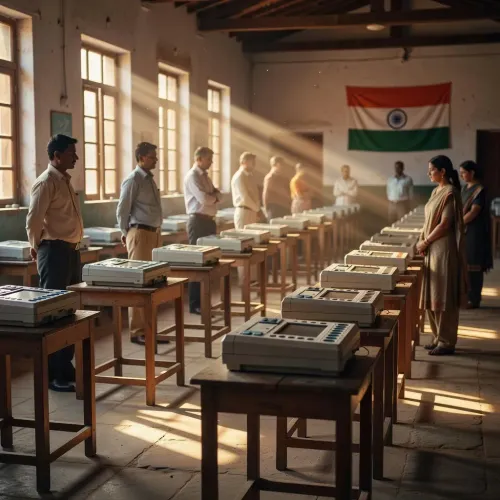
This ongoing debate is anticipated to address various issues, including the Election Commission's role, transparency in campaign financing, prohibiting candidates with criminal records from contesting, the reliability of Electronic Voting Machines (EVMs), and the Special Intensive Revision (SIR) process.
The government asserts that the initiative aims to bolster electoral integrity and enhance the transparency and accountability of the democratic process. Conversely, the Opposition is likely to express concerns regarding the fairness of elections and challenge proposals such as “One Nation, One Election.”
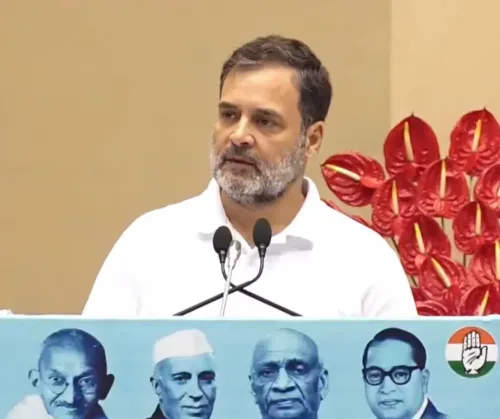
The Leader of the Opposition in the Lok Sabha, Rahul Gandhi, is expected to spearhead the critical debate on Tuesday concerning electoral reforms and the ongoing SIR of electoral rolls across twelve states and Union Territories, as facilitated by the Election Commission of India.
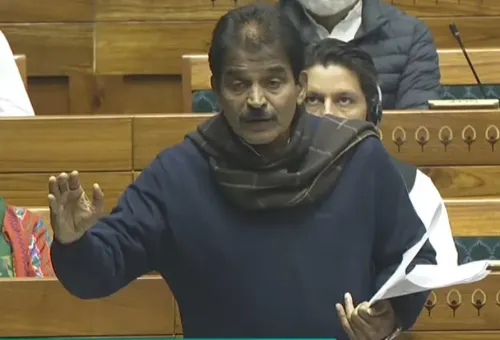
Prominent Opposition figures, including former Union Minister Manish Tewari, Congress organizational general secretary K.C. Venugopal, and senior leaders from parties like the Samajwadi Party's Akhilesh Yadav, are anticipated to take part in this debate, which is set to extend over two days.
The Election Commission has announced the SIR exercise to eliminate duplicate entries, ensuring that no eligible voter is excluded while preventing ineligible voters from remaining on the rolls.
Point of View
The ongoing debate in the Lok Sabha surrounding electoral reforms presents a crucial opportunity for enhancing the democratic process in India. While the government's push for reforms aims to ensure voter rights and electoral integrity, the concerns raised by the Opposition highlight the need for thorough scrutiny to maintain fairness and transparency in elections.
NationPress
4 Oct 2026
Frequently Asked Questions
What are the recent electoral reforms proposed by the Election Commission?
The recent electoral reforms proposed by the Election Commission focus on ensuring full voting rights for citizens, enhancing transparency in campaign financing, and preventing candidates with criminal backgrounds from contesting elections.
Why is the Lok Sabha discussing electoral reforms?
The Lok Sabha is discussing electoral reforms to strengthen electoral integrity, ensure accountability in the democratic process, and address concerns regarding the fairness of elections.
Who is leading the debate on electoral reforms in Lok Sabha?
The Leader of the Opposition, Rahul Gandhi, is set to lead the debate on electoral reforms in the Lok Sabha.
What is the Special Intensive Revision (SIR) process?
The Special Intensive Revision (SIR) process is an exercise initiated by the Election Commission to eliminate duplicate entries in electoral rolls and ensure that no eligible voter is excluded.
What impact do electoral reforms have on democracy?
Electoral reforms are crucial for enhancing voter rights, promoting transparency, and ensuring that the electoral process is fair and accountable, thereby strengthening democracy.