Excluding eligible voters a 'grave sin', says former CEC O.P. Rawat on SIR row
Synopsis
Former Chief Election Commissioner O.P. Rawat's use of the phrase 'grave sin' puts a former insider on record against the ECI's Special Intensive Revision process, just as an appellate tribunal in West Bengal found that 93 per cent of deleted voters were actually eligible. The timing and the margin make this more than a procedural dispute — it is a credibility moment for India's premier electoral body.
Key Takeaways
Former Chief Election Commissioner O.P.
Rawat on 23 September 2026 called the exclusion of eligible voters a 'grave sin' .
A West Bengal appellate tribunal found 93 per cent of voters excluded under the Special Intensive Revision (SIR) process were eligible and should be reinstated.
Rawat called for all three Election Commission members to hold a joint press conference to clarify reported internal dissent.
The Election Commission of India denied any improper decision-making, saying differing views are a 'normal part of deliberations'.
The ECI stated that 'unanimous decisions' had been taken by the poll body in recent months and that all officers are authorised to offer suggestions.
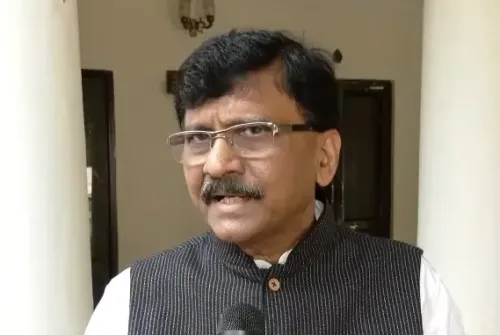
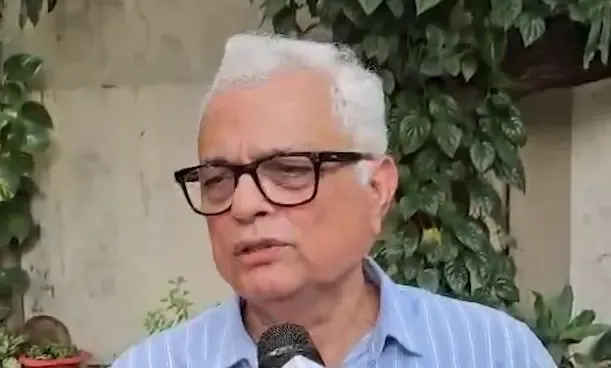
Former Chief Election Commissioner O.P. Rawat on Wednesday, 23 September called the exclusion of eligible voters a 'grave sin', as controversy deepened over the Election Commission of India (ECI)'s conduct of the Special Intensive Revision (SIR) of electoral rolls. His remarks came against the backdrop of a report alleging that two Election Commissioners had formally objected to several decisions taken by the poll panel, reportedly without their knowledge — a claim the ECI has denied.
What Rawat Said
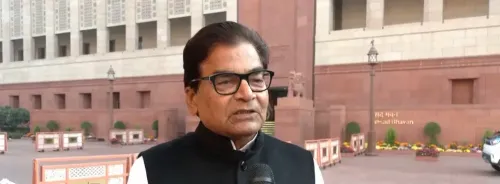
Speaking to reporters in Bhopal, Rawat said the best course of action would be for all three members of the Commission — the Chief Election Commissioner and the two Election Commissioners — to hold a joint press conference and address the matter transparently. 'There are different opinions about this. The best thing would be for all three of them to sit together and clarify in a press conference what the matter was. If there was dissent, then a decision could not have been taken. Because a decision by the Election Commission can only be taken either by consensus or by a majority vote, and not otherwise,' Rawat said.
He acknowledged, however, that the SIR process had been plagued by errors from the outset. 'Gradually, the Election Commission improved the process and tried to make it smoother,' he said.
The West Bengal Trigger
Rawat pointed specifically to developments in West Bengal, where appellate tribunals reportedly ruled that 93 per cent of voters who had been excluded from electoral rolls were, in fact, eligible and ought to be reinstated. 'These people were deprived of the opportunity to vote. This is a grave sin,' he said, adding that an institution of the ECI's stature should ensure such an outcome never recurs. He called on the Commission to thoroughly review the SIR process.
Notably, the SIR controversy first surfaced in Bihar, where procedural lapses were flagged early on. The process has since drawn criticism from opposition parties and civil society organisations that have questioned the safeguards around voter deletions.
The ECI's Position
The Election Commission, responding on the same day, pushed back against the narrative of internal discord. It stated that every officer within the institution is 'fully authorised' to offer suggestions for improving the electoral system and underlined that several 'unanimous decisions' have been taken by the poll body in recent months.
The Commission added that differing views, observations, and suggestions are a 'normal part of deliberations' within any institution, and clarified that decision-making involves not only the three Election Commissioners but also officials across the organisation.
Why It Matters
The SIR controversy strikes at the heart of electoral integrity in India. If eligible voters are systematically removed from rolls — even inadvertently — the consequences are irreversible once polling concludes. The West Bengal appellate ruling, with its 93 per cent reversal rate on exclusions, raises serious questions about the evidentiary threshold applied during the revision exercise. Critics argue the scale of erroneous deletions points to a structural flaw in the SIR methodology, not just isolated errors. The Election Commission will now face pressure to publish a transparent, public-facing review of the process before it is deployed ahead of any future state or national election.
Point of View
Emphasising internal deliberation norms, sidesteps the core question: why were so many eligible voters removed in the first place? Without a published, independent audit of the SIR process, public trust in electoral roll management will continue to erode ahead of consequential elections.
NationPress
23 Sept 2026
Frequently Asked Questions
What is the Special Intensive Revision (SIR) controversy?
The Special Intensive Revision (SIR) is an exercise conducted by the Election Commission of India to update electoral rolls. It became controversial after reports alleged that large numbers of eligible voters were excluded, and that two Election Commissioners had formally objected to certain decisions within the Commission — claims the ECI has denied.
What did former CEC O.P. Rawat say about the SIR process?
Rawat called the exclusion of eligible voters a 'grave sin' and urged the Election Commission to thoroughly review the SIR process. He also recommended that all three Election Commissioners hold a joint press conference to address the reported internal disagreements transparently.
What happened in West Bengal regarding the SIR exclusions?
Appellate tribunals in West Bengal ruled that 93 per cent of voters who had been excluded under the SIR process were eligible and should be added back to the electoral rolls. Rawat cited this as evidence of the harm caused by flawed deletions.
How has the Election Commission of India responded?
The ECI stated that every officer is fully authorised to offer suggestions, that several unanimous decisions have been taken recently, and that differing views are a normal part of institutional deliberations. It denied that decisions were taken without the knowledge of any Election Commissioner.
Where did SIR-related problems first emerge?
According to Rawat, procedural lapses in the SIR process were first noticed in Bihar. The Election Commission reportedly made iterative improvements thereafter, but the West Bengal exclusion figures suggest the corrections were insufficient.