Exam Amendment Bill 2026: NDA fields young MPs for 10-hour Parliament debate
Synopsis
India's anti-paper-leak push is moving from street protests to Parliament: the Exam Amendment Bill 2026 lands on Monday with a 10-hour NDA debate, 10-year jail terms, ₹10 crore fines, and a Nandan Nilekani-led task force. The political stakes are high — the Bill arrives days after the Education Minister's resignation over the very crisis it seeks to fix.
Key Takeaways
The Public Examinations (Prevention of Unfair Means) Amendment Bill, 2026 is set to be introduced in Parliament on 28 July 2026 .
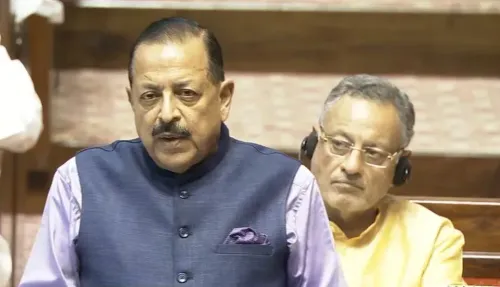
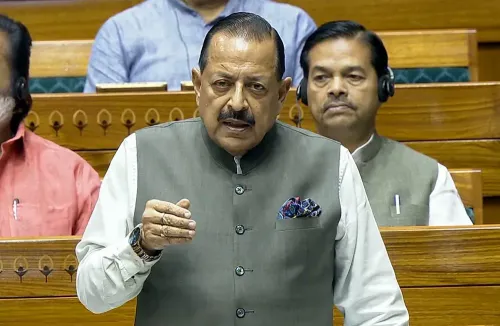
Union Minister Dr Jitendra Singh will table the Bill; the NDA is fielding young MPs for a debate expected to last 8–10 hours .
Key penalties include imprisonment of up to 10 years , fines up to ₹10 crore , and asset confiscation for the guilty.
Fast-track courts will be mandated to deliver verdicts within three months .
Nandan Nilekani , co-founder of Infosys and architect of Aadhaar, will chair a new task force on examination reforms.
The Bill follows the resignation of Education Minister Dharmendra Pradhan amid student protests over paper leaks.
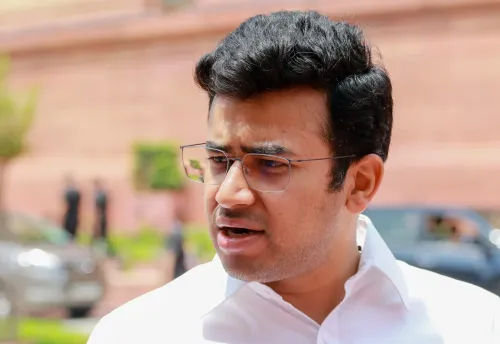
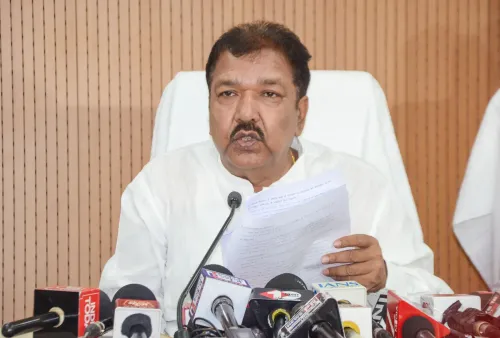
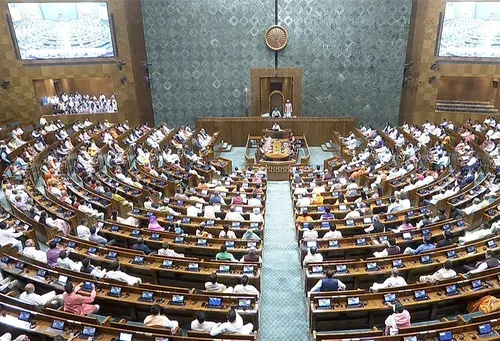
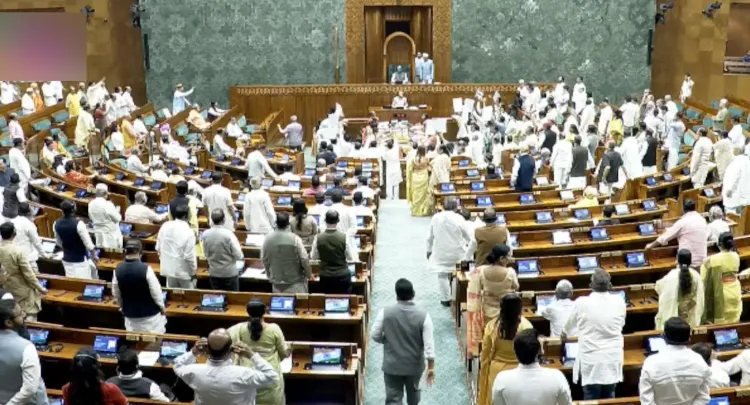
The Central government is set to introduce the Public Examinations (Prevention of Unfair Means) Amendment Bill, 2026, in Parliament on Monday, 28 July 2026, as part of a broader legislative push to tighten the legal framework against paper leaks and examination fraud. The ruling National Democratic Alliance (NDA) plans to field several young Members of Parliament to lead the debate, with proceedings expected to last between eight and ten hours.
What the Bill Proposes
Union Minister Dr Jitendra Singh will table the Bill, which seeks to amend the Public Examinations (Prevention of Unfair Means) Act, 2024. A government notification for its introduction has already been issued. The amendment proposes stricter legal provisions, including imprisonment of up to 10 years, fines of up to ₹10 crore, and confiscation of assets of those convicted. Crucially, fast-track courts will be mandated to deliver verdicts within three months of a case being filed.
Cabinet Clearance and Political Context
The Union Cabinet approved the Bill and related provisions on Friday, greenlighting both the fast-track court mechanism and the harsher sentencing framework. The move follows Prime Minister Narendra Modi's public commitment to introduce comprehensive legislation with strong anti-paper-leak provisions in the current parliamentary session. Notably, the Bill comes days after student agitations over paper leaks concluded following the resignation of Union Education Minister Dharmendra Pradhan.
Nilekani Task Force and Exam Reforms
On Sunday, Prime Minister Modi announced the constitution of a high-level task force on examination reforms, to be chaired by Infosys co-founder and Aadhaar architect Nandan Nilekani. Modi stated that the task force's report will inform steps to safeguard the credibility of upcoming public examinations. The decision to involve Nilekani — a technocrat with a track record in large-scale digital identity infrastructure — signals the government's intent to bring systemic, technology-driven reform to the examination ecosystem.
What the Government Said
In a video statement shared on Sunday, Prime Minister Modi said: 'The Government of India is continuously taking various measures for the future of students. Those who tampered with the students' future are languishing in jail. We have already established fast-track courts. We are also moving towards enacting new legislation in Parliament that incorporates stringent legal provisions.'
What Happens Next
With the NDA preparing for an extensive floor debate and young MPs being positioned as the face of the discussion, the government appears keen to project the Bill as a youth-centric reform. Industry observers and education policy experts will closely watch whether the fast-track court framework is backed by sufficient judicial capacity to meet the three-month verdict mandate. The Nilekani task force's timeline and terms of reference are yet to be publicly disclosed.
Point of View
The three-month verdict mandate for fast-track courts is the clause that will define whether this law has teeth: India's subordinate judiciary is already stretched, and without dedicated benches and prosecutors, the timeline risks becoming aspirational. The Nilekani appointment is smart — he has delivered at scale before — but his task force's terms of reference and reporting deadline remain undisclosed, which leaves the reform architecture incomplete. The resignation of the Education Minister was a pressure valve; the real test is whether the institutional plumbing changes underneath.
NationPress
25 Oct 2026
Frequently Asked Questions
What is the Public Examinations (Prevention of Unfair Means) Amendment Bill, 2026?
It is a proposed amendment to the Public Examinations (Prevention of Unfair Means) Act, 2024, set to be introduced in Parliament on 28 July 2026. The Bill seeks to impose stricter penalties — up to 10 years in prison and fines of up to ₹10 crore — and establish fast-track courts mandated to deliver verdicts within three months in paper leak and examination fraud cases.
Who will introduce the exam amendment Bill in Parliament?
Union Minister Dr Jitendra Singh will table the Bill in Parliament. The NDA has also planned an extensive debate of eight to ten hours, with several young MPs set to lead the discussion.
What is the Nandan Nilekani task force on exam reforms?
Prime Minister Modi announced on Sunday the constitution of a task force on examination reforms to be chaired by Nandan Nilekani, co-founder of Infosys and the architect of the Aadhaar identity platform. The task force's report will be used to guide steps aimed at protecting the credibility of upcoming public examinations.
Why was the exam amendment Bill introduced now?
The Bill follows widespread student protests over paper leaks in major public examinations, which led to the resignation of Union Education Minister Dharmendra Pradhan. Prime Minister Modi had publicly committed to introducing comprehensive anti-paper-leak legislation, and the Union Cabinet cleared the Bill on the Friday before its parliamentary introduction.
What penalties does the exam amendment Bill propose?
The Bill proposes imprisonment of up to 10 years, fines of up to ₹10 crore, and confiscation of assets for those found guilty of examination malpractice or paper leaks. Fast-track courts will be required to complete trials and deliver judgments within three months.