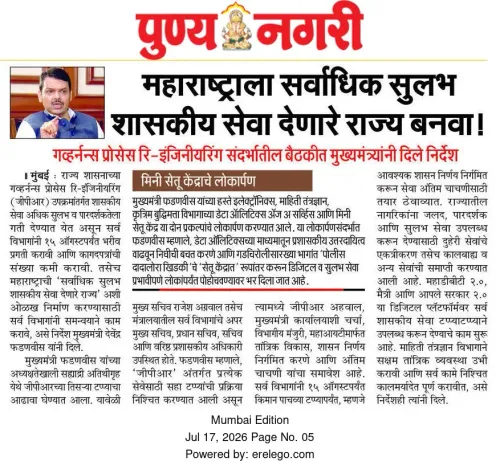
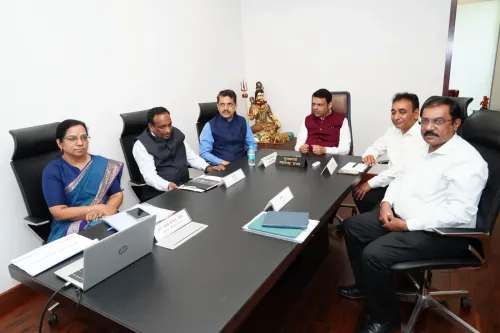
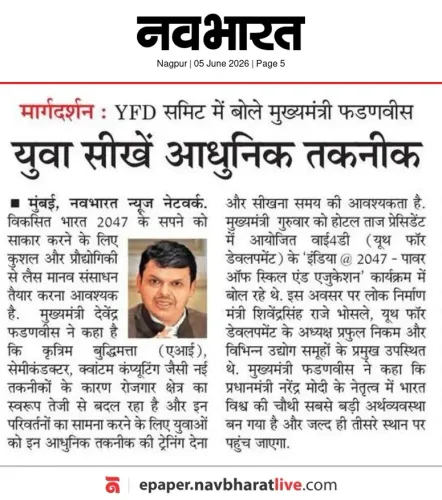
CM Fadnavis backs Nilekani-led task force on exam reforms

Synopsis
Maharashtra CM Devendra Fadnavis has backed a Nandan Nilekani-led High-Powered Task Force announced by PM Modi to overhaul India's public examination system with stronger technology safeguards and legal enforcement, signalling state-Centre alignment on education integrity reforms.
Key Takeaways
CM Devendra Fadnavis publicly endorsed the High-Powered Task Force on examination reforms on 26 July 2026 .
The task force is led by Nandan Nilekani , co-founder of Infosys and former UIDAI chairman who built the Aadhaar system.
The initiative is framed as part of PM Narendra Modi 's push for a 'secure, transparent and technology-enabled examination ecosystem.' It builds on the Public Examinations (Prevention of Unfair Means) Act, 2024 , which introduced stricter penalties for malpractice.
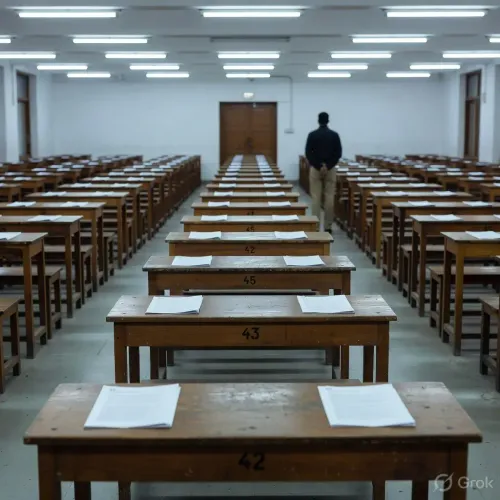
The reforms target recurring problems including paper leaks in high-stakes exams such as NEET and JEE .
Maharashtra 's endorsement reflects state-Centre coordination on national education governance.
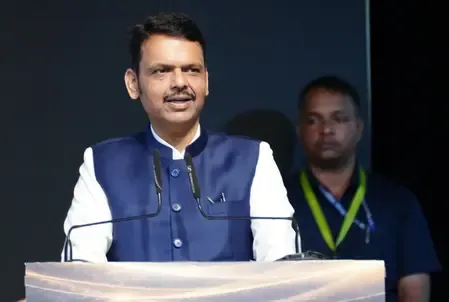
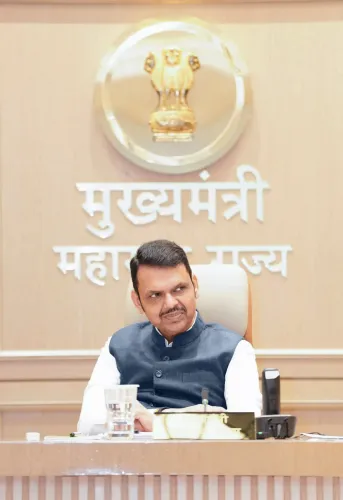
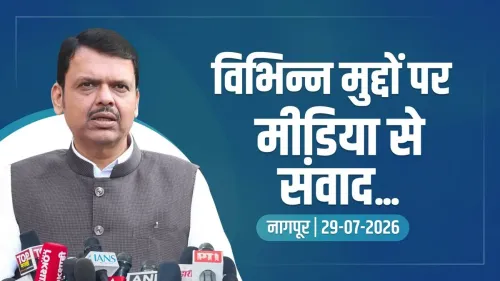
Maharashtra Chief Minister Devendra Fadnavis on Sunday, 26 July 2026, welcomed the central government's constitution of a High-Powered Task Force under technology expert Nandan Nilekani to reform India's public examination ecosystem, calling it a landmark step towards building a secure and transparent testing framework under the leadership of Prime Minister Narendra Modi.
Context
Fadnavis, posting on X, described the task force as 'a landmark step towards building a secure, transparent and technology-enabled examination ecosystem.' He credited the initiative to PM Modi's 'visionary leadership' and highlighted that the reforms come backed by 'stronger legal safeguards and a robust enforcement framework.' The post, tagged #Maharashtra and directed at @narendramodi, signals the state's alignment with the Centre on national education governance.
Nilekani, co-founder of Infosys and the architect of India's Aadhaar digital identity programme through his earlier role at the Unique Identification Authority of India (UIDAI), brings a track record of applying technology to large-scale public systems. His appointment to lead the task force draws directly on that expertise.
Policy Backdrop
The move builds on the Public Examinations (Prevention of Unfair Means) Act, 2024, which established stricter penalties and a clearer legal framework to address paper leaks and malpractice in national and state-level examinations. That legislation was itself a response to a series of high-profile irregularities in competitive exams including NEET and JEE, which triggered widespread public concern about the integrity of India's examination infrastructure.
India's Digital India programme, launched in 2015, laid the groundwork for technology adoption across government services, and the examination sector has increasingly been drawn into that orbit. The Nilekani-led task force represents an attempt to apply the same data-driven, digital-first logic that transformed welfare delivery and financial inclusion to the examination system.
Stakeholders and Impact
The reforms are expected to directly affect millions of students appearing in national and state-level competitive examinations each year, as well as the agencies that conduct them, including NTA (National Testing Agency) and various state boards. Exam-conducting bodies will face tighter scrutiny under the proposed enforcement framework, while students stand to gain from a more credible and tamper-resistant process.
Maharashtra, home to one of India's largest student populations and a dense network of coaching institutions and exam centres, has a particular stake in these reforms. Fadnavis's public endorsement signals that the state government intends to coordinate closely with the Centre on implementation.
What's Next
Attention will now turn to the formal composition of the task force, the scope of its mandate, and the timeline for its first report. Observers will watch whether its recommendations lead to amendments in existing examination laws or deeper integration with national digital platforms such as DigiLocker and the Academic Bank of Credits. Maharashtra's coordination with the Centre on rollout will also be closely tracked as a model for other states.
Point of View
Whose Aadhaar project gave the government its most credible technology-governance credential, is a deliberate reputational move by the Centre. The real test will be whether the task force produces enforceable structural changes or remains a high-profile committee whose recommendations gather dust. For BJP-governed states like Maharashtra, early and loud endorsement locks them into a reform narrative that could pay political dividends if implementation succeeds.
NationPress
25 Oct 2026
Frequently Asked Questions
What is the High-Powered Task Force on examination reforms in India?
It is a central government body constituted under the leadership of technology expert Nandan Nilekani to reform India's public examination system by introducing stronger technology safeguards, legal frameworks, and enforcement mechanisms to prevent paper leaks and malpractice.
Why was Nandan Nilekani chosen to lead the exam reform task force?
Nandan Nilekani is a technology entrepreneur and co-founder of Infosys who previously chaired the UIDAI and led the Aadhaar digital identity programme, giving him deep experience in deploying large-scale technology solutions for public governance systems.
What law backs India's examination integrity reforms?
The Public Examinations (Prevention of Unfair Means) Act, 2024, provides the legal foundation, establishing stricter penalties for paper leaks, impersonation, and other forms of malpractice in national and state-level competitive examinations.
What did CM Devendra Fadnavis say about the exam task force?
Fadnavis called the constitution of the task force 'a landmark step towards building a secure, transparent and technology-enabled examination ecosystem,' crediting Prime Minister Narendra Modi's leadership for the initiative.
How does Maharashtra benefit from India's examination system reforms?
Maharashtra has one of India's largest student populations and a dense network of exam centres, so reforms that reduce paper leaks and improve credibility of competitive exams directly benefit millions of students and the state's education institutions.