CM Fadnavis Hails Padma Awardee Stories in All Languages

Synopsis
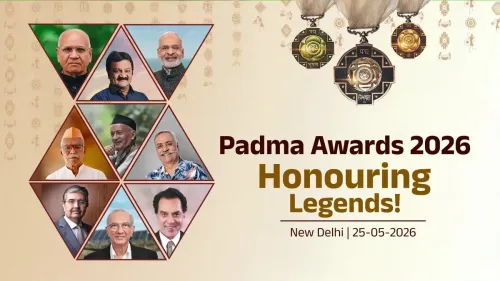
Maharashtra Chief Minister Devendra Fadnavis on 25 May 2026 publicly endorsed the official Padma Awards multilingual video series on X, calling awardee stories 'extremely inspiring' and urging citizens nationwide to watch them in their own language.
Key Takeaways
CM Devendra Fadnavis called the Padma Awards multilingual video series 'extremely inspiring' in a post on 25 May 2026 .
Stories of every Padma Awardee are now available in every Indian language accompanied by a dedicated video.
The Padma Awards — Padma Vibhushan , Padma Bhushan , and Padma Shri — have been India's highest civilian honours since 1954 .
The Ministry of Home Affairs oversees the annual nominations and conferment process.
The multilingual digital push aligns with a broader government effort to make national honours accessible to citizens across all linguistic communities.
Next steps include the upcoming Padma Awards nominations cycle and potential expansion of the multilingual model to other national honours.
Maharashtra Chief Minister Devendra Fadnavis on Monday, 25 May 2026, took to X to call the multilingual video series on Padma Award recipients 'extremely inspiring,' urging citizens across the country to watch the stories now available in every Indian language.
Context
Sharing a link to the official Padma Awards Instagram page, Fadnavis wrote: 'This is extremely inspiring! Each #PadmaAwardee story is available in every language with a beautiful video, DO WATCH!' The post reflects his personal endorsement of a digital outreach initiative tied to India's highest civilian honours.
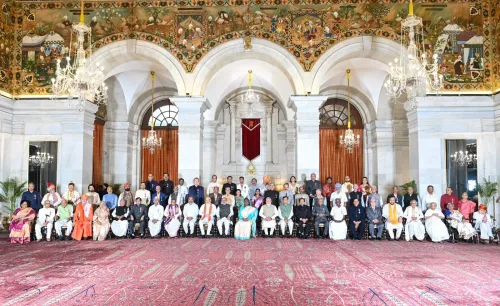
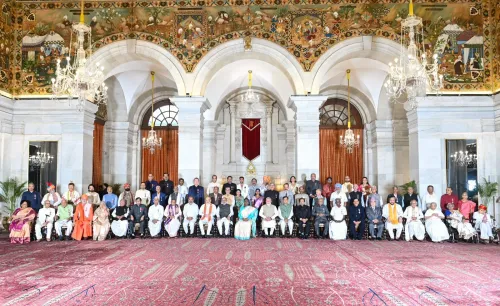
The Padma Awards — comprising Padma Vibhushan, Padma Bhushan, and Padma Shri — have been conferred annually by the President of India since 1954, recognising distinguished service across fields without distinction of race, occupation, position, or sex.
Policy Backdrop
The multilingual video series is part of a broader pattern of using digital platforms to widen public engagement with national honours. Successive governments have expanded civilian-award outreach through dedicated websites, short-form videos, and regional-language content to reflect India's linguistic diversity.
The Ministry of Home Affairs, which oversees the nominations and screening process for Padma Awards, has in recent years pushed for greater visibility of awardees — particularly those from grassroots backgrounds whose contributions might otherwise receive limited mainstream attention. Making stories accessible in every Indian language directly addresses the country's vast multilingual population.
Stakeholders and Impact
The primary beneficiaries of this initiative are the Padma Awardees themselves, whose life stories and contributions gain wider recognition through vernacular storytelling. For the general public — especially citizens in non-Hindi, non-English speaking states — access to these narratives in their native languages makes the honours more relatable and aspirational.
A senior political figure like Chief Minister Fadnavis amplifying the series on a national platform adds significant reach, potentially drawing millions of followers across Maharashtra and beyond to engage with the content. Such endorsements by state leaders also reinforce the federal character of the awards, signalling that recognition of excellence is not confined to any single region or community.
What's Next
Attention will now turn to the next cycle of Padma Awards nominations, with the government typically inviting public nominations through its online portal later in the year. Any expansion of the multilingual digital content model to other national honours — such as the Pravasi Bharatiya Samman Awards — will be closely watched as an indicator of how far the government intends to take this accessibility-first approach to civilian recognition.
Point of View
High-visibility act of cultural diplomacy — amplifying a central government initiative through a prominent state-level voice. It fits a well-established pattern of BJP leaders using personal social media reach to reinforce the Centre's civilian-honours outreach, blurring the line between governance communication and party messaging. The multilingual framing is politically astute in Maharashtra, a state with a strong Marathi identity, where accessibility in regional languages carries symbolic weight. Longer term, the push to make awardee stories available in every Indian language could set a precedent for how other national recognitions are communicated to a diverse citizenry.
NationPress
9 Oct 2026
Frequently Asked Questions
What are the Padma Awards in India?
The Padma Awards are India's highest civilian honours, instituted in 1954, conferred annually by the President in three categories: Padma Vibhushan, Padma Bhushan, and Padma Shri, for distinguished contributions across various fields.
What did CM Devendra Fadnavis say about Padma Awards?
On 25 May 2026, CM Fadnavis posted on X calling the Padma Awardee video series 'extremely inspiring' and urged citizens to watch each awardee's story, which is available in every Indian language.
Where can I watch Padma Awardee stories in my language?
The official Padma Awards Instagram page hosts video stories of every Padma Awardee in multiple Indian languages; CM Fadnavis shared the link to this page in his post.
Who oversees the Padma Awards selection process?
The Ministry of Home Affairs oversees the nominations and screening mechanism for Padma Awards, which are ultimately conferred by the President of India.
Why are Padma Award stories being made available in all Indian languages?
The multilingual outreach reflects a broader government effort to make national civilian honours accessible and relatable to citizens across India's diverse linguistic communities, extending the reach of these recognitions beyond English and Hindi speakers.