CM Fadnavis Chairs Maharashtra Disaster Management Meet
Synopsis
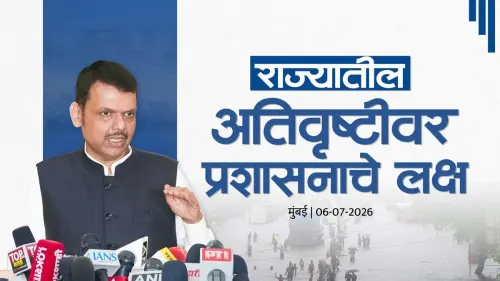
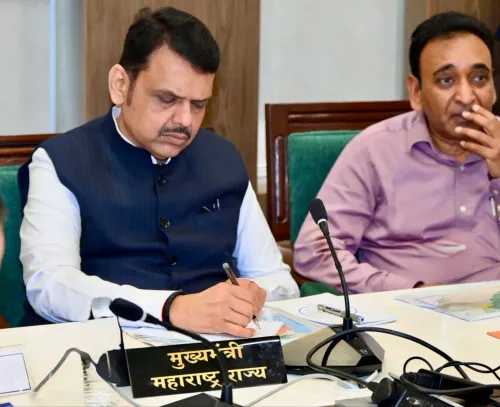
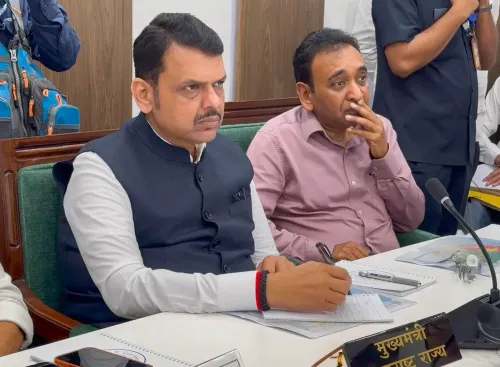
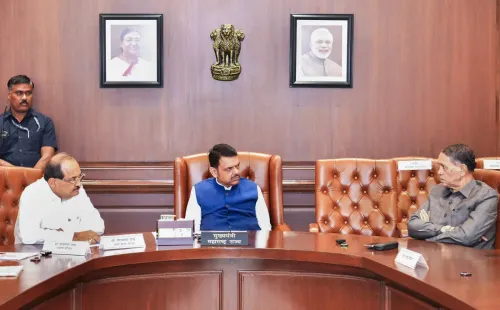
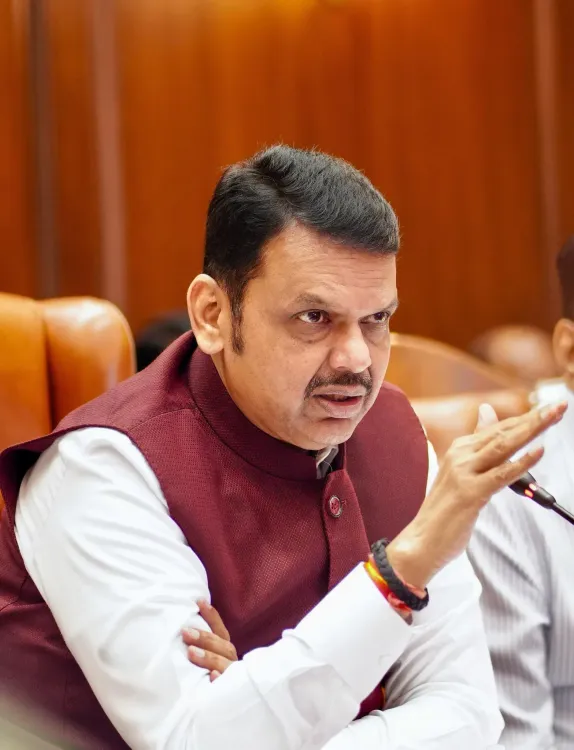
Chief Minister Devendra Fadnavis chaired a formal meeting of the Maharashtra State Disaster Management Authority at Vidhan Bhavan, Mumbai, on 23 June 2026. Deputy CMs Eknath Shinde and Sunetra Ajit Pawar, five cabinet ministers, and senior officials attended, signalling a whole-of-government review ahead of the monsoon season.
Key Takeaways
CM Devendra Fadnavis chaired the Maharashtra State Disaster Management Authority meeting on 23 June 2026 at Vidhan Bhavan, Mumbai .
Both Deputy Chief Ministers — Eknath Shinde and Sunetra Ajit Pawar — were present, alongside five cabinet ministers.
The MSDMA is a statutory body constituted under the Disaster Management Act, 2005 , with the Chief Minister as ex-officio chairperson.
The review signals pre-monsoon inter-departmental coordination covering flood control, early-warning systems, and disaster response.
Maharashtra's disaster management framework covers risks across its coastline, river basins, and rain-shadow regions affecting crores of residents.
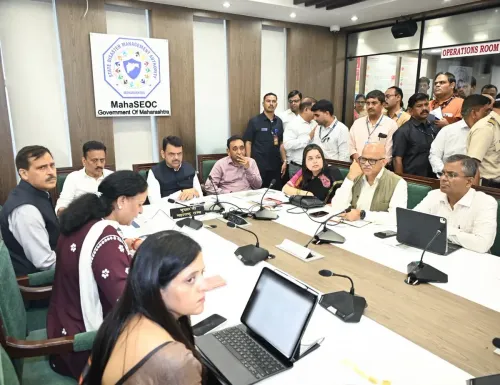
The Chief Minister's Office of Maharashtra announced on 23 June 2026 that Chief Minister Devendra Fadnavis chaired a high-level meeting of the Maharashtra State Disaster Management Authority (MSDMA) at Vidhan Bhavan, Mumbai, at 1:25 PM. The meeting brought together the state's top political leadership and senior officials to review the authority's functioning.
Context
The meeting was attended by Deputy Chief Minister Eknath Shinde, Deputy Chief Minister Sunetra Ajit Pawar, Minister Girish Mahajan, Minister Sanjay Sawkare, Minister Prakash Abitkar, and Minister Makrand Jadhav-Patil, along with senior officials. The post, issued in English, Marathi, and Hindi, described the gathering as a formal sitting of the MSDMA under the Chief Minister's chairmanship — 'महाराष्ट्र राज्य आपत्ती व्यवस्थापन प्राधिकरणाची बैठक' ['a meeting of the Maharashtra State Disaster Management Authority'].
The presence of the full leadership troika — the Chief Minister and both Deputy Chief Ministers — alongside five cabinet ministers signals a coordinated, whole-of-government approach to disaster preparedness ahead of the active monsoon season.
Policy Backdrop
The MSDMA derives its mandate from the Disaster Management Act, 2005, which requires every Indian state to constitute a State Disaster Management Authority responsible for policy, planning, and coordination of disaster response. The Act designates the Chief Minister as the ex-officio chairperson of the state authority, making Fadnavis's role at the meeting a statutory one.
Maharashtra, given its geographic diversity — from the Konkan coastline to the Vidarbha plateau — regularly faces flood, drought, cyclone, and earthquake risks. The state administration has historically convened MSDMA reviews in the run-up to the monsoon season to align departments on early-warning systems, evacuation protocols, and flood-control infrastructure.
Stakeholders and Impact
The MSDMA's decisions directly affect Maharashtra's approximately 12 crore residents, particularly those in flood-prone districts such as Kolhapur, Sangli, and coastal Raigad. Coordination among the revenue, water resources, public works, and health departments — each represented through the ministers present — is considered essential for effective disaster response.
Senior officials attending such reviews typically include the Chief Secretary, Principal Secretaries of key departments, and the Director General of the State Disaster Response Force (SDRF), ensuring that operational capacity aligns with political directives.
What's Next
Observers will watch for any subsequent government orders, budget reallocations, or infrastructure announcements tied to disaster mitigation ahead of the 2026 monsoon season. High-level MSDMA meetings of this nature often precede departmental circulars on flood-relief preparedness, early-warning dissemination, and inter-district resource sharing. The outcome of this review is expected to shape the state's operational readiness through the peak monsoon months of July and August 2026.
Point of View
But the presence of both Deputy Chief Ministers alongside five ministers elevates the political weight of this particular sitting. For the Mahayuti coalition government, such a meeting also serves as a demonstration of administrative cohesion among its three constituent parties. The timing — mid-June, when the southwest monsoon typically advances over Maharashtra — suggests the review is calibrated around operational readiness rather than a policy pivot. Any government orders or resource announcements that follow will be the real measure of this meeting's impact.
NationPress
22 Sept 2026
Frequently Asked Questions
What is the Maharashtra State Disaster Management Authority?
The Maharashtra State Disaster Management Authority (MSDMA) is a statutory body set up under the Disaster Management Act, 2005. It is chaired by the Chief Minister and is responsible for framing policies, coordinating disaster preparedness, mitigation, and response across the state.
Why did CM Fadnavis chair the MSDMA meeting on 23 June 2026?
CM Devendra Fadnavis chaired the meeting in his capacity as the statutory chairperson of the MSDMA. The meeting, held at Vidhan Bhavan, Mumbai, brought together the state's top leadership ahead of the active monsoon season to review disaster preparedness and coordination.
Who attended the Maharashtra disaster management meeting on 23 June 2026?
The meeting was attended by Deputy CM Eknath Shinde, Deputy CM Sunetra Ajit Pawar, Ministers Girish Mahajan, Sanjay Sawkare, Prakash Abitkar, and Makrand Jadhav-Patil, along with senior government officials.
What does the Disaster Management Act, 2005 say about state authorities?
The Disaster Management Act, 2005 mandates every Indian state to constitute a State Disaster Management Authority with the Chief Minister as its ex-officio chairperson. The authority is tasked with disaster risk reduction, planning, and coordinating the response of all state departments.
What should Maharashtra residents expect after this MSDMA meeting?
Following such high-level reviews, the state government typically issues departmental circulars on flood-relief preparedness, activates early-warning systems, and may announce infrastructure or resource allocations. Residents in flood-prone districts can expect heightened administrative readiness through the peak monsoon months.