CM Fadnavis Inspects Crop Damage in Washim, Vidarbha
Synopsis
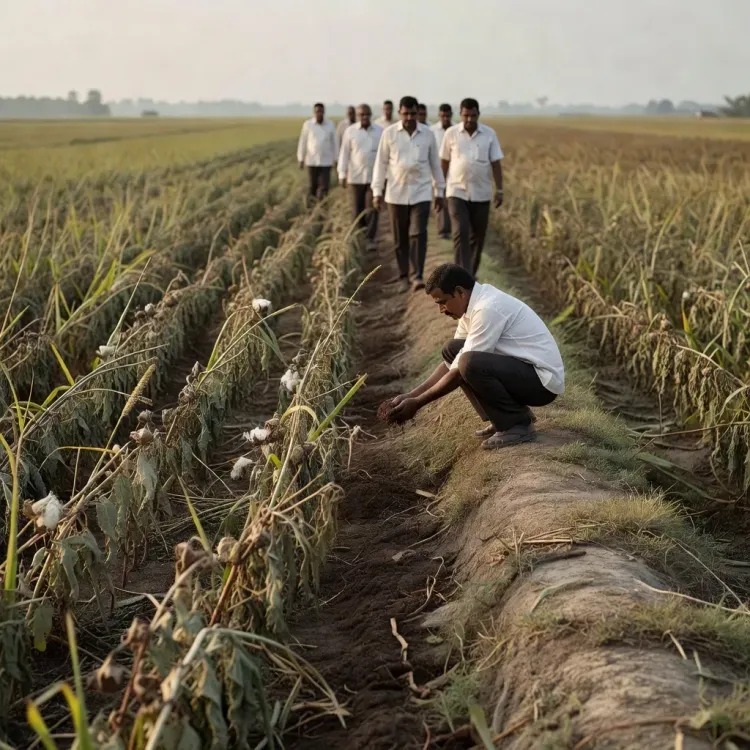
Chief Minister Devendra Fadnavis visited Washim district in Vidarbha on September 25, 2026, to inspect crop damage firsthand. The visit is expected to accelerate damage assessments and trigger relief under central and state agricultural schemes for affected farmers.
Key Takeaways
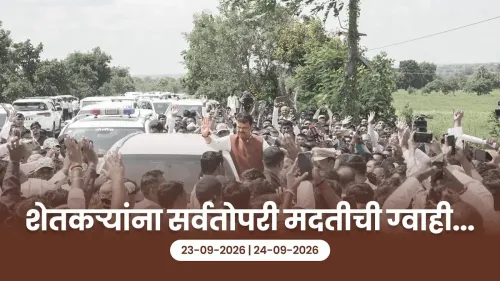
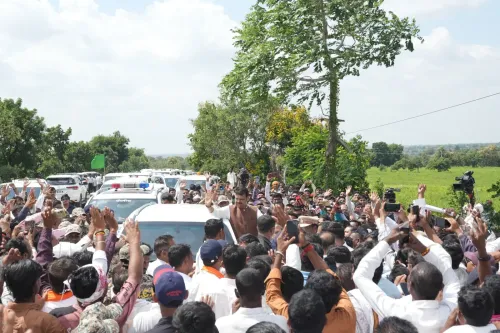
CM Devendra Fadnavis conducted a field inspection of crop damage in Washim district , Vidarbha, on September 25, 2026 .
Washim is a heavily agriculture-dependent district in eastern Maharashtra, frequently affected by monsoon variability.
The visit is expected to expedite panchnama (official damage surveys) and relief disbursal processes for affected farmers.
Eligible farmers may seek compensation under the Pradhan Mantri Fasal Bima Yojana , the national crop-insurance scheme launched in 2016 .
Such CM-level inspections in Vidarbha are part of a recurring administrative response to seasonal agricultural distress in the region.
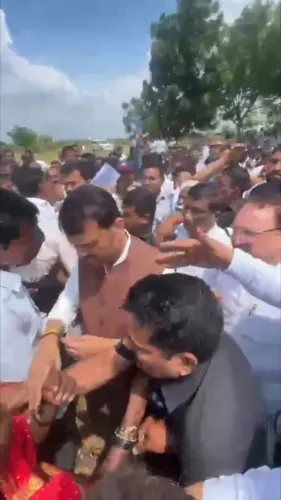
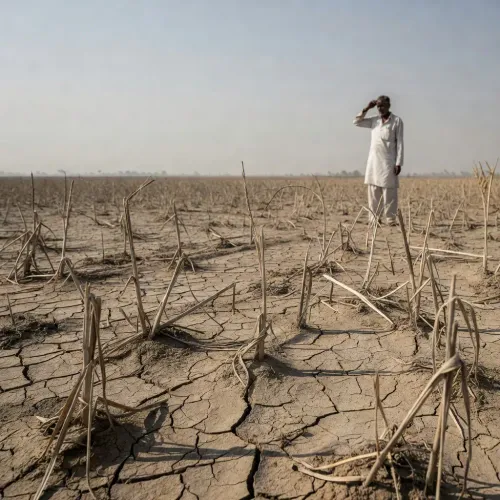
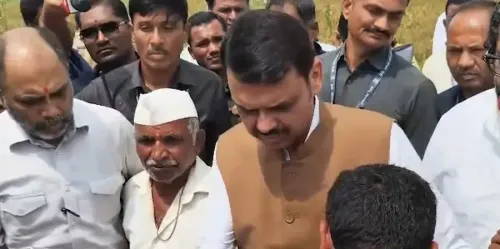
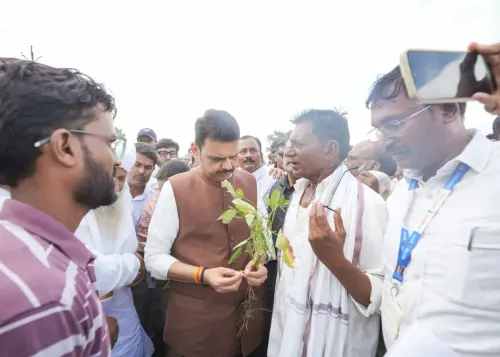
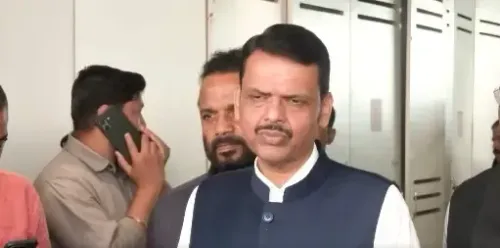
Boots on the ground in Vidarbha's distressed farmland — Chief Minister Devendra Fadnavis visited Washim district on Friday, September 25, 2026, to personally inspect crop damage, signalling the Maharashtra government's direct attention to one of the state's most agriculturally vulnerable regions.
Washim's farms under strain
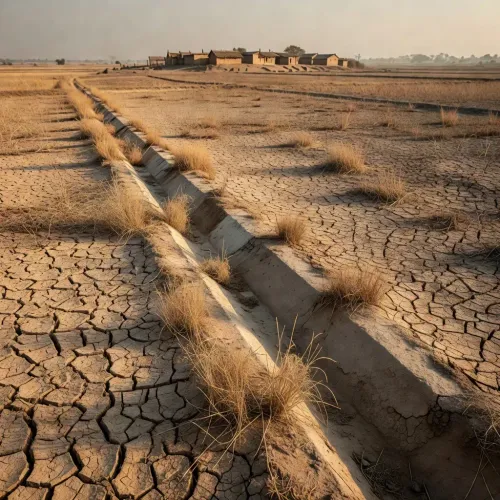
Washim, nestled in Maharashtra's Vidarbha belt, runs almost entirely on agriculture — a single bad monsoon season can unravel entire households. The region has long been synonymous with farmer distress, and crop damage assessments here carry real weight: they determine whether affected growers can access compensation or file insurance claims under central and state relief mechanisms, including the Pradhan Mantri Fasal Bima Yojana — the national crop-insurance scheme launched in 2016 to cover losses from natural calamities.
Why a CM-level visit matters
In Maharashtra's administrative tradition, a Chief Minister's personal visit to a damage site typically accelerates the machinery of relief — pushing revenue officials to fast-track panchnama (damage surveys) and nudging district collectors toward quicker disbursal. State leaders have made such field visits to Vidarbha districts repeatedly over the years, each time amid calls from farmer groups to move beyond symbolism toward sustained structural support. The visit by CM Fadnavis now puts the spotlight back on whether this round of inspections will translate into actionable relief reports and timely payouts for the season's losses.
What farmers and officials will be watching
The immediate next steps hinge on the damage assessment reports emerging from this inspection — the figures that determine the quantum of state aid and the eligibility window for insurance claims. Vidarbha farmers, who have weathered monsoon variability year after year, will be tracking both the speed and the scale of the government's follow-through.
A CM walking the fields is a visible commitment. The crop-loss numbers will decide whether that commitment holds.
Point of View
Maintaining visible responsiveness to Vidarbha's chronic agrarian crisis is central to its political arithmetic in eastern Maharashtra. The critical test, as with every such visit, is whether the inspection converts into expedited relief disbursals and insurance settlements — or remains a photo opportunity that farmers have seen many times before.
NationPress
25 Sept 2026
Frequently Asked Questions
Why did CM Fadnavis visit Washim district?
CM Devendra Fadnavis visited Washim district on September 25, 2026, to personally inspect crop damage, a step that typically accelerates official damage surveys and government relief for affected farmers.
Where is Washim district located?
Washim is a district in the Vidarbha region of eastern Maharashtra. Its economy is heavily dependent on agriculture, making it especially vulnerable to monsoon-related crop losses.
What relief can Vidarbha farmers get for crop damage?
Affected farmers may be eligible for compensation under the Pradhan Mantri Fasal Bima Yojana, the national crop-insurance scheme, as well as state-level relief programmes following official damage assessments.
What is Pradhan Mantri Fasal Bima Yojana?
Pradhan Mantri Fasal Bima Yojana is a central government crop-insurance scheme launched in 2016 to protect farmers against losses caused by natural calamities, including in Maharashtra districts.
What happens after a CM inspects crop damage in Maharashtra?
Following a CM's inspection, revenue officials are typically directed to expedite panchnama (damage surveys), and district collectors fast-track compensation or insurance claim processes for eligible farmers.