CM Fadnavis visits Nagpur's integrated waste processing centre
Synopsis
Maharashtra CM Devendra Fadnavis visited the Nagpur Municipal Corporation's Integrated Urban Solid Waste Processing Centre at Bhandewadi on 30 May 2026, speaking with media on the facility's significance amid global fuel security concerns and India's push to modernise urban waste management.
Key Takeaways
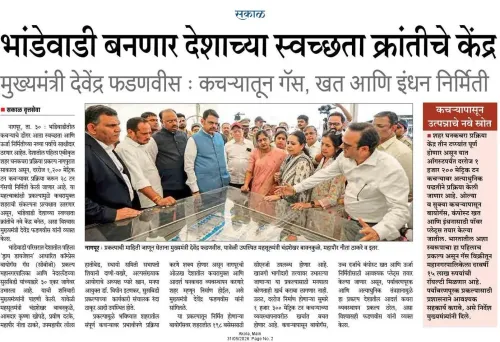
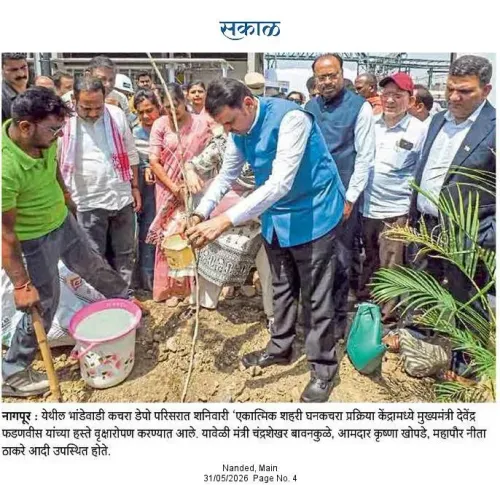
CM Devendra Fadnavis visited the Integrated Urban Solid Waste Processing Centre at Bhandewadi Dumping Yard , Nagpur , on 30 May 2026 .
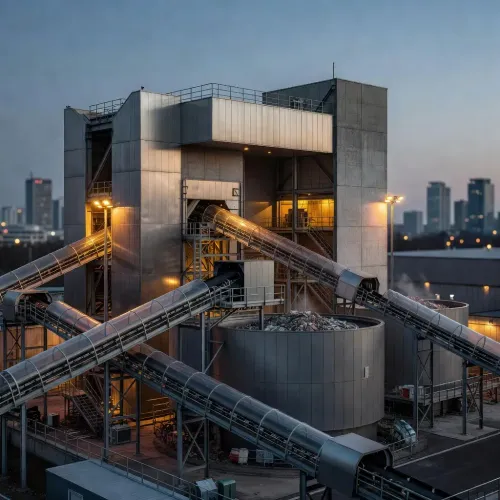
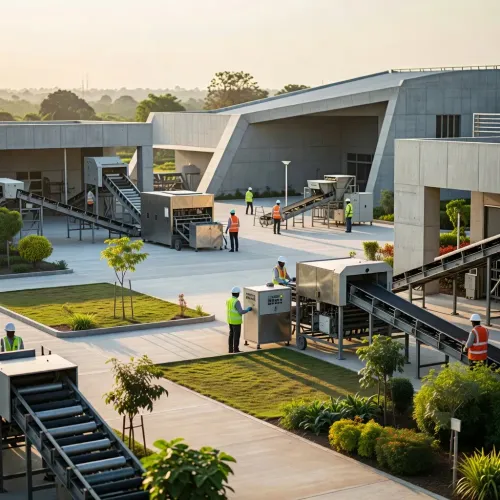
The facility is operated by the Nagpur Municipal Corporation and represents a shift from open dumping to scientific waste processing.
Fadnavis addressed media on the link between municipal waste processing and global fuel security challenges.
The project aligns with the Swachh Bharat Mission (2014) and Maharashtra's State Urban Solid Waste Management Policy of 2016 .
The Nagpur model is being watched as a potential template for integrated waste facilities in other Maharashtra cities.
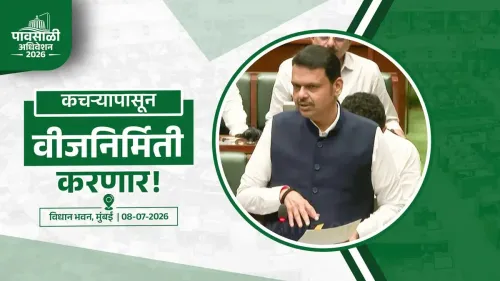
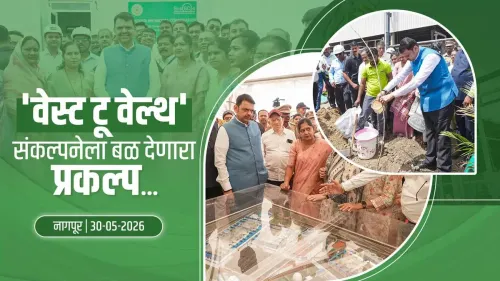
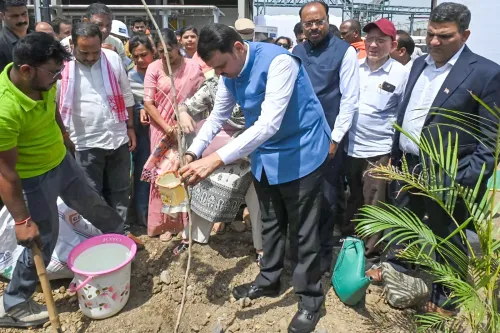
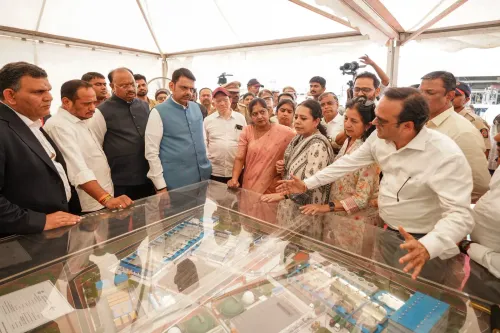
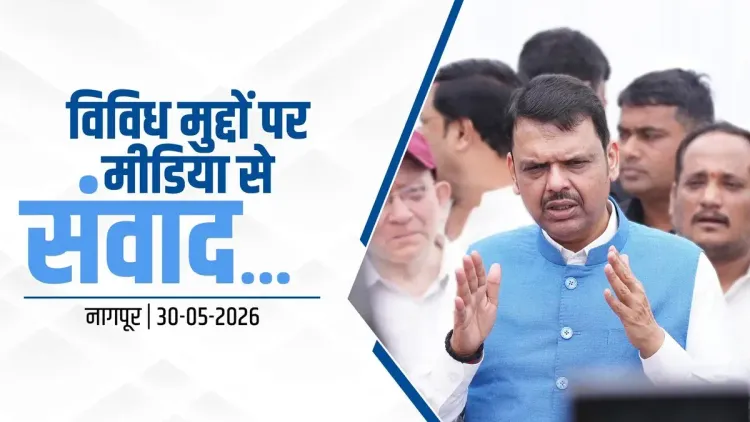
Maharashtra Chief Minister Devendra Fadnavis visited the Integrated Urban Solid Waste Processing Centre at Bhandewadi Dumping Yard in Nagpur on 30 May 2026, and spoke with media on the facility's role in addressing the global fuel crisis and urban waste challenges.
Context
The Bhandewadi Dumping Yard has long been Nagpur's primary solid waste disposal site. The Nagpur Municipal Corporation (NMC) developed an integrated processing centre at the location as part of efforts to modernise the city's waste management infrastructure and move away from open dumping. CM Fadnavis, whose home constituency is Nagpur, engaged with the media at the facility, drawing a direct link between municipal waste processing and the broader global conversation around fuel security.
Policy Backdrop
The facility sits within a layered policy framework. The Swachh Bharat Mission, launched in 2014, set national targets for scientific solid waste processing and waste-to-energy infrastructure in Indian cities. Maharashtra's State Urban Solid Waste Management Policy of 2016 further pushed for integrated processing centres and a phased reduction of open landfills across the state's urban local bodies.
Indian cities have increasingly explored waste-derived fuel technologies as a response to landfill saturation and periodic global oil price volatility. National policy has explicitly linked municipal waste management to energy security objectives, positioning cities like Nagpur as test beds for circular economy models at scale.
Stakeholders and Impact
The Nagpur Municipal Corporation is the primary implementing body for the facility, while Nagpur's roughly 25 lakh residents stand to benefit from reduced landfill burden and improved urban sanitation. Urban local bodies across Maharashtra are watching the model closely, as the state government has signalled its intent to replicate successful waste processing infrastructure in other major cities.
The fuel-security angle raised by CM Fadnavis during his media interaction reflects a growing policy consensus: that urban solid waste is not merely a sanitation problem but a potential resource in the context of energy transition. Waste-to-energy and refuse-derived fuel plants have gained traction nationally as supplementary sources of industrial fuel.
What's Next
Attention will now turn to the operational capacity and throughput data of the Bhandewadi centre, and whether the state government tables dedicated budget allocations for waste-derived fuel technologies in upcoming planning cycles. Similar integrated facilities in other Maharashtra cities — including Pune and Nashik — are at varying stages of development, and the Nagpur model could serve as a benchmark for statewide rollout under both Swachh Bharat norms and the state's own sustainability agenda.
Point of View
Making the facility a visible proof point for his governance record. By explicitly connecting municipal waste processing to the global fuel crisis, he is positioning urban solid waste management within a larger energy-security narrative, a framing that could help attract industrial investment and central government support for waste-derived fuel projects. The move fits a broader BJP pattern of linking local civic infrastructure to national and global policy themes to elevate the political salience of urban governance. Whether the facility's actual operational metrics justify that framing will determine how durable the narrative proves.
NationPress
15 Oct 2026
Frequently Asked Questions
What is the Bhandewadi Integrated Urban Solid Waste Processing Centre in Nagpur?
It is a facility developed by the Nagpur Municipal Corporation at the Bhandewadi Dumping Yard to scientifically process the city's solid waste, moving away from open landfill disposal toward integrated treatment and potential fuel recovery.
Why did CM Devendra Fadnavis visit the Bhandewadi facility?
CM Fadnavis visited the centre on 30 May 2026 and spoke with media about the facility's relevance to urban waste management and its connection to addressing the global fuel crisis through waste-derived energy solutions.
How does the Nagpur waste facility relate to the Swachh Bharat Mission?
The Swachh Bharat Mission , launched in 2014 , set national targets for scientific solid waste processing and waste-to-energy plants in Indian cities; the Bhandewadi centre is part of that broader national push to reduce landfill dependence.
What is Maharashtra's policy on urban solid waste management?
Maharashtra's State Urban Solid Waste Management Policy of 2016 promotes integrated processing centres, reduction of open dumping, and adoption of waste-to-energy technologies across the state's urban local bodies.
Will similar waste processing facilities be set up in other Maharashtra cities?
Urban local bodies across Maharashtra are monitoring the Nagpur model; the state government has indicated interest in replicating successful integrated waste facilities in cities such as Pune and Nashik , subject to budget allocations and rollout timelines.