CM Fadnavis inaugurates Nagpur's integrated waste plant
Synopsis
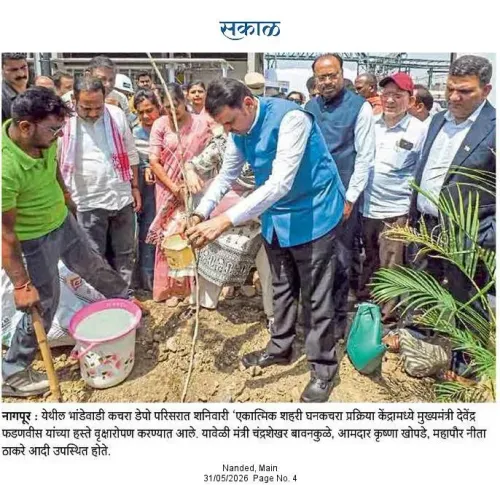
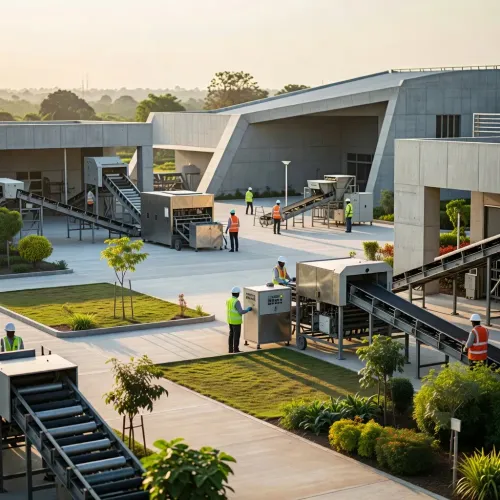
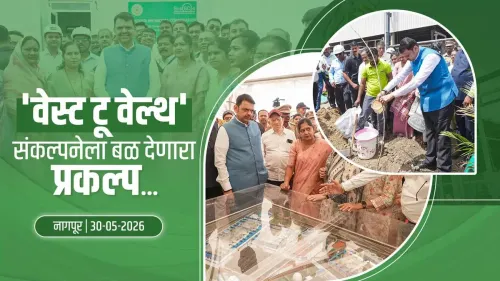
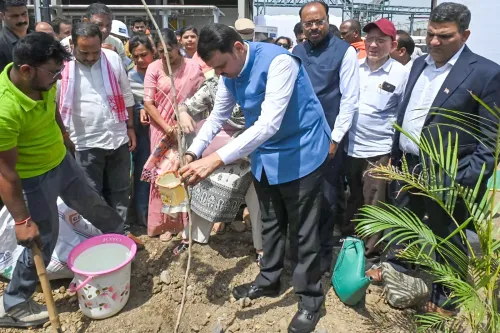
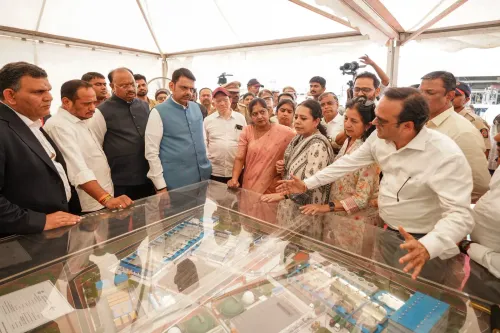
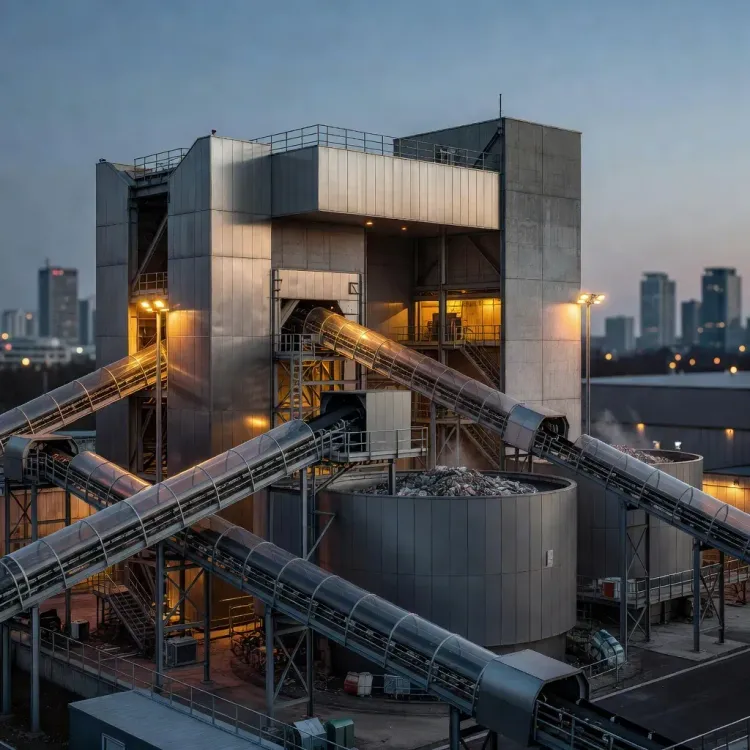
Chief Minister Devendra Fadnavis on 30 May 2026 inaugurated what the Maharashtra government describes as India's first integrated urban solid waste processing centre in Nagpur, built through private investment, with a capacity to process 1,200 tonnes of waste and produce 28 tonnes of gas daily.
Key Takeaways
The Chief Minister's Office of Maharashtra announced the inauguration of India's first 'Integrated Urban Solid Waste Processing Centre' in Nagpur on 30 May 2026 .
Chief Minister Devendra Fadnavis led the inauguration; the facility was developed through private investment .
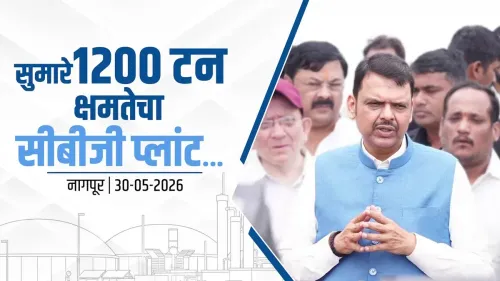
The centre processes 1,200 tonnes of municipal solid waste and generates 28 tonnes of gas .
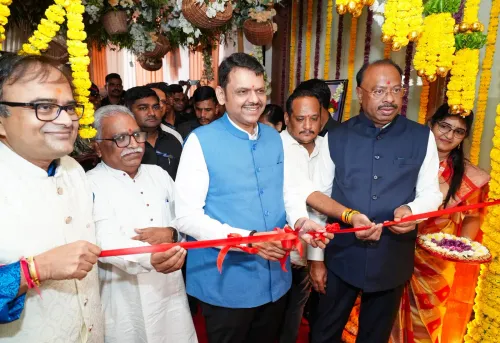
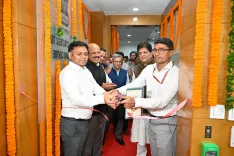
Fadnavis also inaugurated the Chinchbhavan branch of Shriram Urban Co-operative Bank Ltd., Nagpur on the same day.
The project aligns with Maharashtra's push for public-private partnerships in urban services and national Swachh Bharat Mission targets.
Nagpur's performance in Swachh Survekshan 2027 will be an early test of the facility's real-world impact.
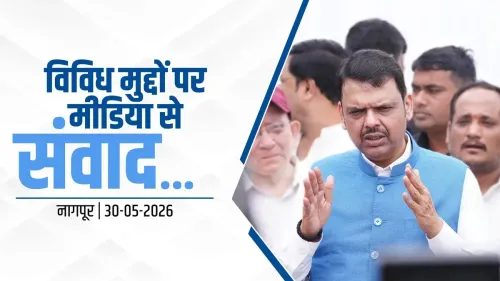
The Chief Minister's Office of Maharashtra on Saturday, 30 May 2026 shared a day-end summary highlighting two key events in Nagpur led by Chief Minister Devendra Fadnavis: the inauguration of the country's first 'Integrated Urban Solid Waste Processing Centre' and the opening of a new branch of Shriram Urban Co-operative Bank Ltd.
Context
The CMO's post, written in Marathi, described the waste facility as realising the vision of a garbage-free city — 'कचरामुक्त शहराची संकल्पना साकार' (the concept of a garbage-free city made real). According to the post, the centre processes 1,200 tonnes of waste and generates 28 tonnes of gas, and is notably the first such project funded through private investment.
Chief Minister Fadnavis also personally inaugurated the Chinchbhavan branch of Shriram Urban Co-operative Bank Ltd., Nagpur, on the same day, signalling continued attention to the city's financial infrastructure alongside its civic services.
Policy Backdrop
The facility fits squarely within the framework of the Swachh Bharat Mission, launched in 2014, which set national benchmarks for scientific solid waste management and city cleanliness rankings. Maharashtra has, since 2017, actively promoted public-private partnerships for municipal waste infrastructure, and Nagpur has repeatedly served as a pilot city for such models.
Across India, states have been moving away from landfill-based disposal toward integrated facilities that combine waste segregation, treatment, and energy recovery — aligning with both Swachh Bharat targets and National Green Tribunal norms. A plant that converts municipal waste into usable gas represents a circular-economy approach that urban local bodies in tier-2 cities are increasingly being encouraged to adopt.
Stakeholders and Impact
Nagpur's residents stand to benefit directly from reduced open dumping and improved sanitation outcomes. For urban local bodies, the private-investment model offers a replicable template that reduces pressure on municipal budgets while meeting regulatory compliance requirements.
Private infrastructure investors gain a demonstrated proof-of-concept in one of Maharashtra's most politically prominent cities. The gas output from the plant also has potential downstream value in industrial or domestic energy supply chains, though specific offtake arrangements were not detailed in the official communication.
What's Next
The key question for urban planners and policymakers is whether the Nagpur model will be replicated in larger Maharashtra cities such as Pune, Thane, or Chhatrapati Sambhajinagar. If the private-investment structure proves financially viable, it could become a standard procurement template for municipal waste infrastructure across the state.
Nagpur's performance in the upcoming Swachh Survekshan 2027 rankings will serve as an early benchmark for whether the integrated processing centre delivers measurable improvements in the city's cleanliness scores — and whether the model earns wider state-level endorsement.
Point of View
Reinforcing Nagpur's status as a model city for Maharashtra's urban governance ambitions. By anchoring the project in private investment rather than state expenditure, the government positions itself as a facilitator rather than a spender — a framing that plays well with both fiscal hawks and infrastructure investors. The dual inauguration on a single day, covering both civic infrastructure and cooperative banking, reflects a deliberate effort to project administrative momentum. If the Nagpur plant delivers on its stated capacity, it could accelerate similar tenders in other cities and burnish the state's Swachh Survekshan rankings ahead of a competitive 2027 cycle.
NationPress
15 Oct 2026
Frequently Asked Questions
What is the integrated urban solid waste processing centre inaugurated in Nagpur?
It is described by the Maharashtra government as India's first 'Integrated Urban Solid Waste Processing Centre,' a privately funded facility in Nagpur that processes 1,200 tonnes of municipal solid waste and generates 28 tonnes of gas.
Who inaugurated the Nagpur waste processing centre?
Chief Minister Devendra Fadnavis inaugurated the centre on 30 May 2026, as announced by the official Chief Minister's Office of Maharashtra.
How much waste does the Nagpur integrated waste plant process?
According to the CMO's announcement, the facility processes 1,200 tonnes of waste and produces 28 tonnes of gas.
What is the Shriram Urban Co-operative Bank branch that was inaugurated in Nagpur?
CM Fadnavis also inaugurated the Chinchbhavan branch of Shriram Urban Co-operative Bank Ltd., Nagpur, on the same day, 30 May 2026.
How does the Nagpur waste plant relate to the Swachh Bharat Mission?
The facility aligns with Swachh Bharat Mission targets for scientific solid waste processing, and Nagpur's cleanliness rankings in the Swachh Survekshan survey are expected to reflect its impact from 2027 onward.