CM Fadnavis: Nagpur's 1200-Tonne CBG Plant to Launch in 3 Phases
Synopsis
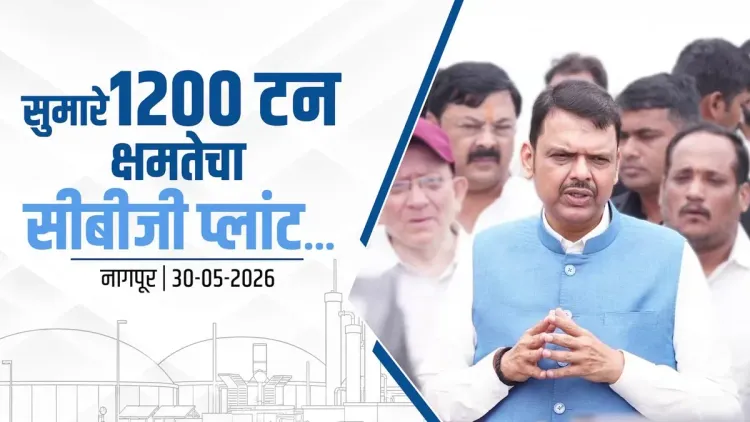
Maharashtra CM Devendra Fadnavis announced that the Nagpur Municipal Corporation's compressed biogas plant, with an approximate capacity of 1,200 tonnes, will be operationalised in three phases. The project advances Nagpur's solid waste management goals under the Swachh Bharat Mission and the central government's SATAT scheme.
Key Takeaways
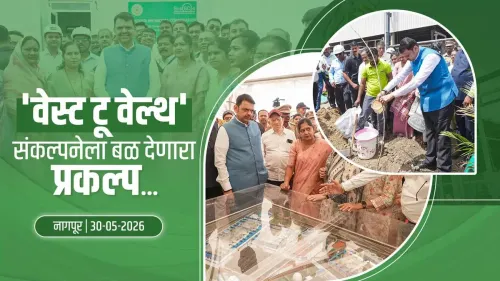
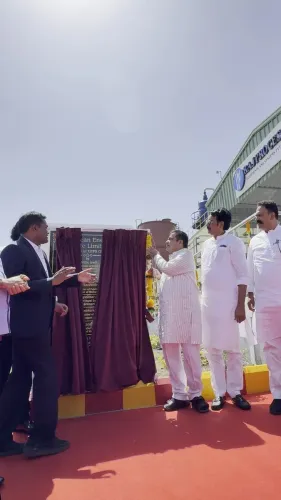
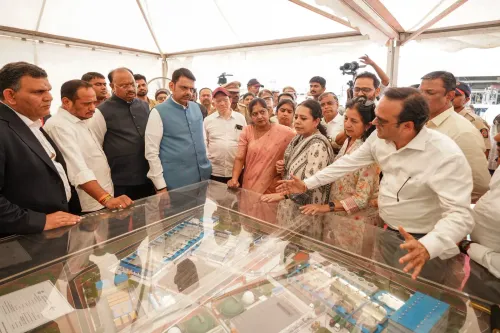
Maharashtra CM Devendra Fadnavis announced the upcoming operationalisation of Nagpur Municipal Corporation's CBG plant on 30 May 2026 .
The plant has an approximate capacity of 1,200 tonnes and will be commissioned in three phases .
The project aligns with the central government's SATAT scheme (2018) and Swachh Bharat Mission (Urban) (2014) targets.
The Nagpur Municipal Corporation is the implementing civic body for the project.
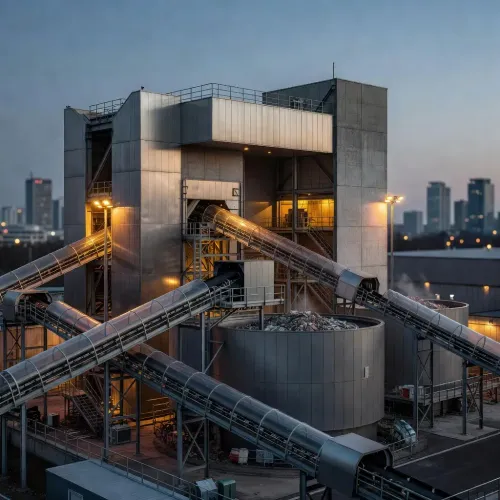
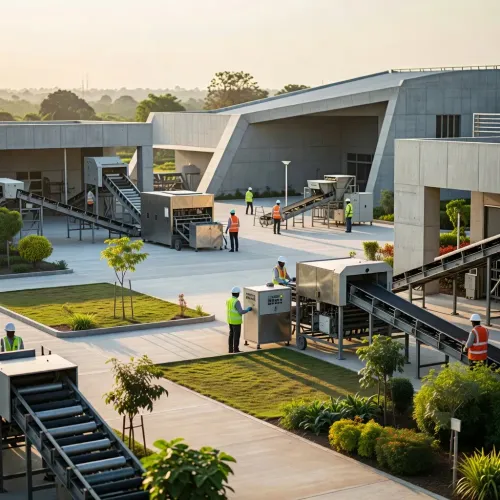
The facility will convert municipal solid waste into compressed biogas , supporting waste diversion from landfills and clean fuel production.
Nagpur serves as a pilot city for state-level infrastructure projects, and this plant could become a model for other Maharashtra municipal bodies.
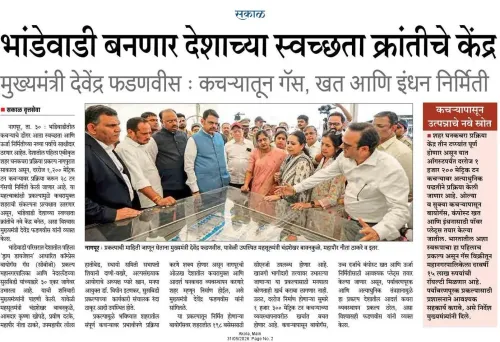
Maharashtra Chief Minister Devendra Fadnavis announced on Saturday, 30 May 2026 that the Nagpur Municipal Corporation's compressed biogas (CBG) plant — with a capacity of approximately 1,200 tonnes — will be operationalised in three phases. The announcement, made via a post on X, signals a significant step forward in Nagpur's solid waste management infrastructure.
Context
In his post, CM Fadnavis stated — in both Marathi and Hindi — 'नागपूर महानगरपालिकेचा सुमारे 1200 टन क्षमतेचा सीबीजी प्लांट 3 टप्प्यात लवकरच कार्यान्वित होणार' ('The Nagpur Municipal Corporation's CBG plant of approximately 1,200-tonne capacity will soon be operationalised in 3 phases'). The bilingual communication underscores the civic significance of the project to both Marathi and Hindi-speaking residents of Nagpur.
The plant is being developed by the Nagpur Municipal Corporation (NMC), the civic body responsible for solid waste and urban services in one of Maharashtra's largest cities. Nagpur also serves as the state's winter capital and has historically been a test-bed for state-level infrastructure pilots.
Policy Backdrop
The project sits at the intersection of two major national programmes. The Swachh Bharat Mission (Urban), launched in 2014, set mandatory targets for processing municipal solid waste and recovering energy, including biogas. Building on that framework, the central government launched the SATAT scheme in 2018 under the Ministry of Petroleum and Natural Gas to promote CBG plants using municipal and agricultural waste, supporting biofuel blending and waste-to-energy goals.
Maharashtra and other states have progressively scaled waste-to-energy infrastructure under these central missions to divert waste from landfills and produce alternative fuels. Multiple municipal corporations across the state have announced CBG facilities in phases to align with national targets for sustainable urban waste management.
Stakeholders and Impact
The primary beneficiaries of the Nagpur CBG plant are the city's residents, who stand to gain from reduced landfill burden, lower urban pollution, and cleaner solid waste processing. The Nagpur Municipal Corporation will be the implementing body, managing the plant's phased rollout and eventual operations.
Once fully operational, the facility is expected to convert municipal solid waste into compressed biogas — a cleaner fuel that can be fed into the gas distribution grid or used locally. The phased approach allows the NMC to commission capacity incrementally, managing capital expenditure and operational ramp-up in a structured manner.
What's Next
Attention will now turn to the specific milestones for each of the three commissioning phases and the timeline for achieving full 1,200-tonne capacity. Parallel CBG projects announced by other Maharashtra municipal bodies under state urban development plans will also be closely watched, as the Nagpur project could serve as a replicable model. The success of this initiative will be a key indicator of how effectively urban local bodies can translate national waste-to-energy policy into on-ground infrastructure.
Point of View
Spreading capital investment while demonstrating visible progress. For Fadnavis, Nagpur — his home constituency — serves as a showcase city for urban governance, making this project symbolically as well as administratively significant. The broader pattern of Maharashtra municipal bodies adopting CBG infrastructure suggests the state is positioning itself as a leader in waste-to-energy under the current policy cycle.
NationPress
14 Sept 2026
Frequently Asked Questions
What is the Nagpur Municipal Corporation CBG plant?
The Nagpur Municipal Corporation CBG plant is a compressed biogas facility with an approximate capacity of 1,200 tonnes , announced to be operationalised in three phases . It will convert municipal solid waste into compressed biogas, supporting clean energy production and reducing landfill burden in Nagpur.
What is the SATAT scheme and how does it relate to this project?
The SATAT scheme was launched in 2018 by the central government's Ministry of Petroleum and Natural Gas to promote CBG plants using municipal and agricultural waste. The Nagpur plant aligns with SATAT's goals of scaling waste-to-energy infrastructure and meeting biofuel blending targets across urban local bodies.
When will the Nagpur CBG plant be operational?
CM Fadnavis announced on 30 May 2026 that the plant will be operationalised 'soon' in three phases. Specific timelines for each phase have not been detailed in the announcement.
What is compressed biogas (CBG) and why is it important?
Compressed biogas is a clean fuel produced from the decomposition of organic and municipal solid waste. It can be fed into gas distribution grids or used as a vehicular fuel, helping cities reduce landfill dependence and lower carbon emissions under national clean energy targets.
How does this project fit into Maharashtra's waste management plans?
Maharashtra has been progressively scaling waste-to-energy infrastructure under the Swachh Bharat Mission (Urban) and the SATAT scheme . Multiple municipal corporations in the state have announced phased CBG facilities, with the Nagpur plant positioned as a significant pilot that could be replicated across other urban local bodies.