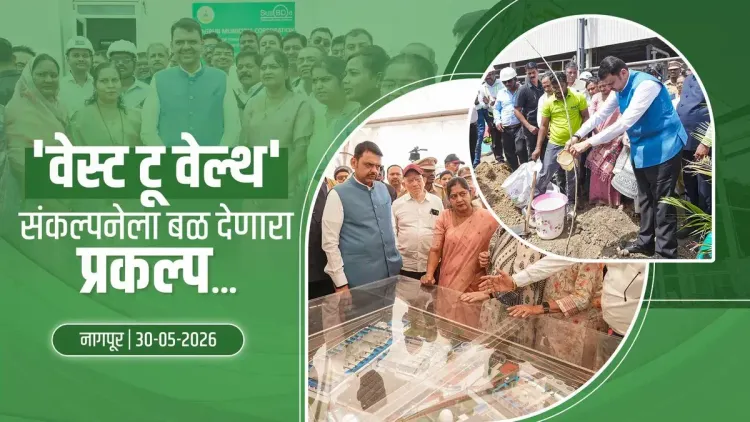
CM Fadnavis Inspects Nagpur's 1200-TPD Waste Plant at Bhandewadi
Synopsis
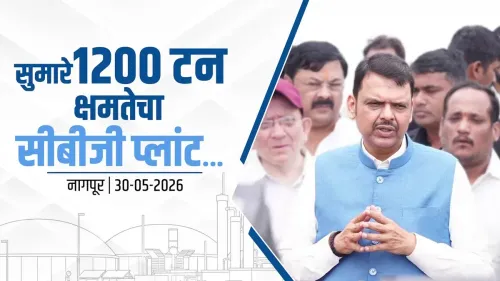
Maharashtra CM Devendra Fadnavis inspected the Nagpur Municipal Corporation's proposed 1,200-tonne-per-day integrated waste plant at Bhandewadi, to be operated by KEVA SusBDe. The three-phase project will produce biogas, compost, and fuel pellets, supplying CNG to 198 city buses and energy pellets to MAHAGENCO.
Key Takeaways
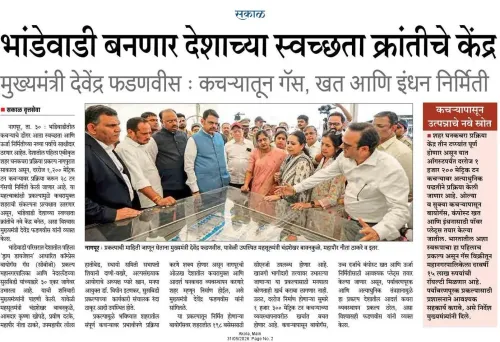
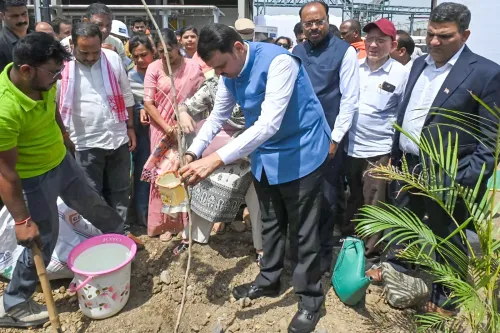
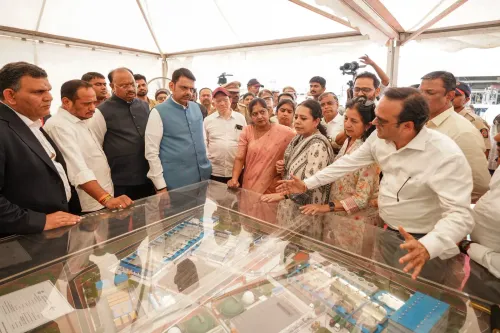
CM Devendra Fadnavis inspected the proposed Integrated Municipal Solid Waste Processing Plant at Bhandewadi Dumping Yard , Nagpur, on May 30, 2026 .
The facility will process 1,200 tonnes of daily municipal solid waste across three phases , operated by KEVA SusBDe .
Nagpur Municipal Corporation has allotted 30 acres of land and will receive an annual royalty of ₹15,00,000 from gas sales.
Biogas generated will supply CNG to 198 city buses ; fuel pellets will be provided to MAHAGENCO for power generation.
The project will produce biogas, high-quality compost fertiliser, and fuel pellets from both wet and dry waste streams.
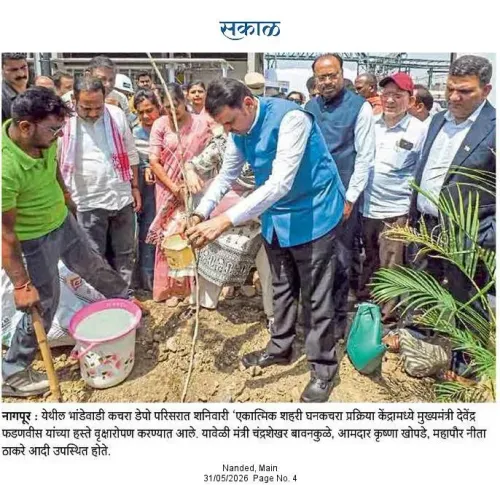
CM Fadnavis directed the administration to extend full support for implementation, with Minister Chandrashekhar Bawankule and Mayor Neetatai Thakre present at the inspection.
Maharashtra Chief Minister Devendra Fadnavis on Saturday, May 30, 2026, inspected the Nagpur Municipal Corporation's proposed Integrated Municipal Solid Waste Processing Plant at the Bhandewadi Dumping Yard in Nagpur, describing it as a step toward making the city waste-free through advanced processing technology.
Context
The facility, to be operated by international industrial conglomerate KEVA SusBDe, is designed to process 1,200 tonnes of municipal solid waste generated daily in Nagpur. The project will be executed in three phases, with the stated goal of ensuring that all daily waste from the city is treated using advanced technologies rather than left to open dumping.
The Nagpur Municipal Corporation (NMC) has allotted 30 acres of land at the Bhandewadi site for the initiative. Under the arrangement, NMC will receive an annual royalty of ₹15,00,000 from gas sales generated by the plant.
Policy Backdrop
The project sits within the broader framework of the Swachh Bharat Mission, launched in 2014, which mandates scientific processing of municipal solid waste and targets waste-free cities across India. Nagpur was also selected under the Smart Cities Mission in 2015, which included components for modern solid waste infrastructure and resource recovery.
Indian states and municipal bodies have increasingly shifted from open dumping to integrated waste-to-energy and composting facilities, with private operator partnerships for biogas and fuel pellet production expanding in multiple cities. Maharashtra has prioritised such projects to improve urban sustainability metrics under central government missions.
Stakeholders and Impact
The plant will process both wet and dry waste streams. The treatment process will generate biogas, high-quality compost fertiliser, and fuel pellets from dry waste. The biogas produced will be used to supply CNG for 198 city buses, directly benefiting Nagpur's public transport network and its daily commuters.
The fuel pellets generated will be supplied to MAHAGENCO, the Maharashtra state power generation company, contributing to sustainable energy generation. CM Fadnavis directed the administration to extend all necessary support for the project's successful implementation.
Minister Chandrashekhar Bawankule, MLA Krishna Khopde, MLA Pravin Datke, and Nagpur Mayor Neetatai Thakre, along with other dignitaries, were present during the inspection.
What's Next
The phased commissioning of the 1,200 TPD plant will be closely watched, particularly the timeline for linking the generated CNG to the 198 city buses and the commencement of royalty flows to NMC. Environmental clearances and the pace of phase-wise rollout will determine how quickly Nagpur can demonstrate a replicable model for other Indian cities.
If successfully executed across all three phases, the Bhandewadi facility could position Nagpur as a national benchmark for integrated municipal solid waste management, reinforcing Maharashtra's standing in urban sustainability rankings under central government missions.
Point of View
And a visible urban infrastructure win strengthens his standing ahead of civic cycles. The linkage of waste-derived CNG to public buses and pellets to MAHAGENCO reflects a deliberate effort to frame solid waste management not as sanitation policy but as energy and climate policy, aligning with central government circular-economy goals. Bringing together a state minister, local MLAs, and the mayor at a single site visit also suggests coordinated credit-sharing across the ruling alliance. The three-phase structure, however, means tangible outcomes for residents remain contingent on timely execution and environmental clearances — the gap between inspection optics and operational reality will define the project's political legacy.
NationPress
20 Sept 2026
Frequently Asked Questions
What is the Nagpur Integrated Municipal Solid Waste Processing Plant at Bhandewadi?
It is a proposed facility at the Bhandewadi Dumping Yard in Nagpur, designed to process 1,200 tonnes of municipal solid waste daily across three phases. It will be operated by international conglomerate KEVA SusBDe and will produce biogas, compost fertiliser, and fuel pellets.
How will the Nagpur waste plant benefit city buses?
The biogas generated by the plant will be converted into CNG to fuel 198 city buses in Nagpur, reducing dependence on conventional fuels and lowering emissions from public transport.
What royalty will Nagpur Municipal Corporation earn from the project?
The Nagpur Municipal Corporation will receive an annual royalty of ₹15,00,000 from gas sales generated by the waste processing facility.
What is KEVA SusBDe's role in the Nagpur waste project?
KEVA SusBDe is the international industrial conglomerate contracted to operate the Integrated Municipal Solid Waste Processing Plant at Bhandewadi, handling the advanced processing of both wet and dry waste streams.
How does this project connect to Swachh Bharat Mission?
The Swachh Bharat Mission, launched in 2014, mandates scientific processing of municipal solid waste and targets waste-free cities. The Nagpur plant directly advances these goals by replacing open dumping with integrated waste-to-energy and composting infrastructure.