CM Fadnavis Inspects Nagpur's Bhandewadi Waste Plant
Synopsis
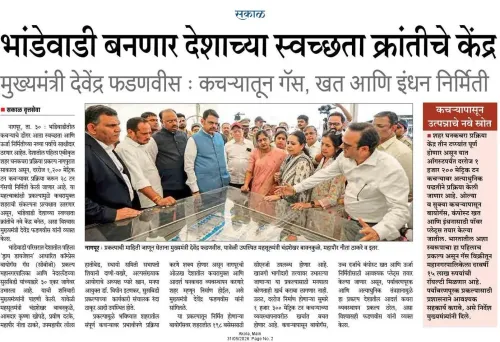
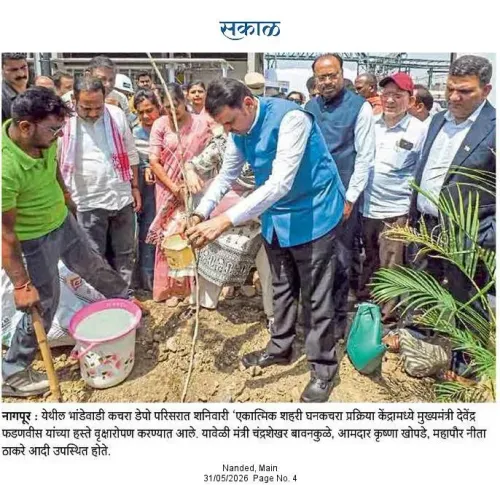
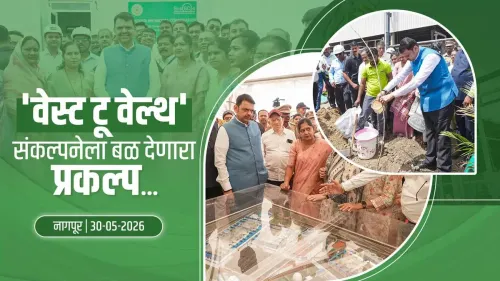
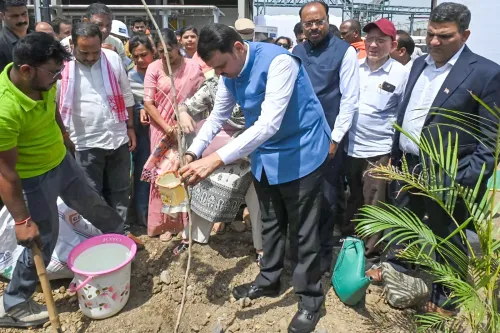
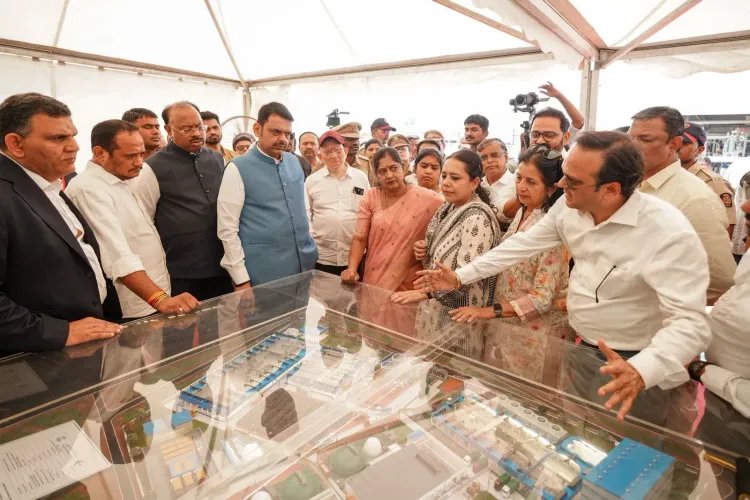
Chief Minister Devendra Fadnavis inspected the Nagpur Municipal Corporation's Integrated Municipal Solid Waste Processing Plant at Bhandewadi Dumping Yard on 30 May 2026, accompanied by Minister Chandrashekhar Bawankule, local MLAs, and Nagpur Mayor Neeta Thakre, signalling state-level attention to urban waste infrastructure.
Key Takeaways
CM Devendra Fadnavis personally inspected the Integrated Municipal Solid Waste Processing Plant at Bhandewadi Dumping Yard, Nagpur on 30 May 2026 .
Minister Chandrashekhar Bawankule , MLA Krishna Khopde , MLA Pravin Datke , and Mayor Neeta Thakre were present at the inspection.
The facility is part of Nagpur Municipal Corporation's effort to comply with the Solid Waste Management Rules, 2016 , which mandate scientific processing over open dumping.
Nagpur was selected under the Smart Cities Mission in 2015 with waste management as a core component, making this plant central to multiple national programmes.
The inspection aligns with Swachh Bharat Mission goals of building integrated waste infrastructure in urban centres across India.
The visit signals potential follow-up action on capacity expansion or performance audits for the Bhandewadi plant.
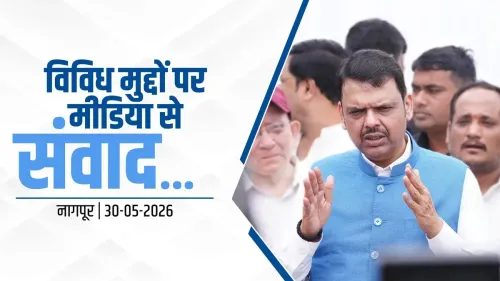
The Chief Minister's Office of Maharashtra announced on Saturday, 30 May 2026, that Chief Minister Devendra Fadnavis conducted a personal inspection of the Nagpur Municipal Corporation's Integrated Municipal Solid Waste Processing Plant at the Bhandewadi Dumping Yard in Nagpur. The visit, held at 10 a.m., was attended by senior political and civic leaders from the region.
The CMO's post, issued in English, Marathi, and Hindi, confirmed that Minister Chandrashekhar Bawankule, MLA Krishna Khopde, MLA Pravin Datke, Nagpur Mayor Neeta Thakre, and other dignitaries were present during the inspection. The trilingual communication underscored the civic significance the state government attaches to the facility.
Context
The Bhandewadi Dumping Yard is Nagpur's primary landfill site and has long been a focal point for the city's solid waste management challenges. The Nagpur Municipal Corporation (NMC) has been working to upgrade the site into a scientifically managed integrated processing centre capable of handling the city's daily municipal solid waste load. Chief Minister Fadnavis, who represents Nagpur in the state legislature, has historically prioritised infrastructure development in the city across his tenures.
Policy Backdrop
The facility sits at the intersection of two major national programmes. The Swachh Bharat Mission, launched in 2014, mandated scientific processing of municipal solid waste and provided central funding to urban local bodies for building integrated plants. The Solid Waste Management Rules of 2016 went further, requiring all urban local bodies to establish integrated processing facilities and progressively phase out open dumping. Nagpur was also selected under the Smart Cities Mission in 2015, with waste management listed as a core urban infrastructure component, making the Bhandewadi facility a convergence point for multiple policy streams.
Maharashtra, alongside several other states, has progressively built such integrated plants to meet the 2016 Rules targets and reduce dependence on open landfills. Central assistance under Swachh Bharat has supported similar facilities in tier-2 cities across the country, reflecting a national shift toward waste segregation, composting, and limited waste-to-energy projects.
Stakeholders and Impact
The primary beneficiaries of an upgraded Bhandewadi facility are Nagpur's residents, who have long faced concerns over odour, groundwater contamination, and methane emissions associated with unscientific dumping. The Nagpur Municipal Corporation stands to improve its rankings under national cleanliness surveys, which weigh waste processing capacity heavily. The presence of Minister Bawankule and elected representatives including Mayor Neeta Thakre signals broad political alignment behind the project at both state and local levels.
What's Next
The inspection by CM Fadnavis is expected to accelerate any pending decisions on capacity expansion, environmental clearances, or performance audits for the Bhandewadi plant. Observers will watch whether the state government extends similar reviews to integrated waste processing facilities in other Maharashtra municipal corporations, as the 2016 Solid Waste Management Rules compliance deadline has long passed for many urban local bodies. A follow-up policy direction or funding announcement from the state could emerge from this on-ground assessment.
Point of View
Not merely on paper compliance. With national cleanliness survey rankings directly tied to scientific waste disposal, a CM-level inspection carries administrative weight that routine bureaucratic reviews do not. The trilingual CMO post — in English, Marathi, and Hindi — also suggests the government is pitching this as a governance achievement with cross-constituency appeal. Broader Maharashtra-wide replication of such reviews could mark a shift from project announcement to performance audit as the dominant mode of urban governance communication.
NationPress
19 Sept 2026
Frequently Asked Questions
What did CM Devendra Fadnavis inspect in Nagpur on 30 May 2026?
CM Devendra Fadnavis inspected the Nagpur Municipal Corporation's Integrated Municipal Solid Waste Processing Plant located at the Bhandewadi Dumping Yard in Nagpur on 30 May 2026.
Where is the Bhandewadi Dumping Yard located?
The Bhandewadi Dumping Yard is located in Nagpur, Maharashtra, and serves as the city's primary landfill and solid waste processing site managed by the Nagpur Municipal Corporation.
What is the Integrated Municipal Solid Waste Processing Plant?
It is a facility at Bhandewadi designed to scientifically process municipal solid waste through segregation, composting, and related methods, in compliance with the Solid Waste Management Rules of 2016 and supported under the Swachh Bharat Mission.
Who was present at the Bhandewadi inspection with CM Fadnavis?
Minister Chandrashekhar Bawankule, MLA Krishna Khopde, MLA Pravin Datke, Nagpur Mayor Neeta Thakre, and other dignitaries accompanied CM Fadnavis during the inspection.
How does Nagpur's waste plant connect to Swachh Bharat Mission?
The Swachh Bharat Mission, launched in 2014, provides central funding to urban local bodies for building integrated solid waste processing plants. Nagpur's Bhandewadi facility is part of this national push to eliminate open dumping and mandate scientific waste management in all cities.