FM Sitharaman meets World Bank Executive Director Neelkanth Mishra
Synopsis
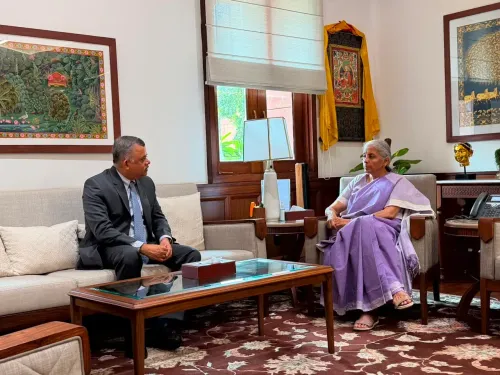
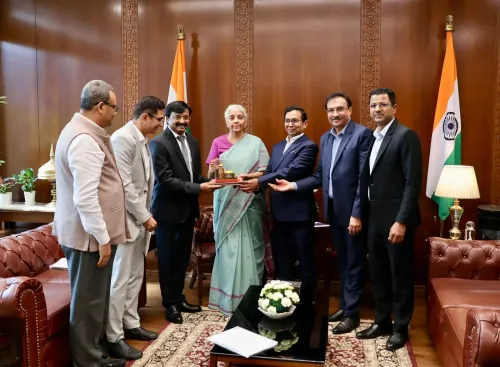
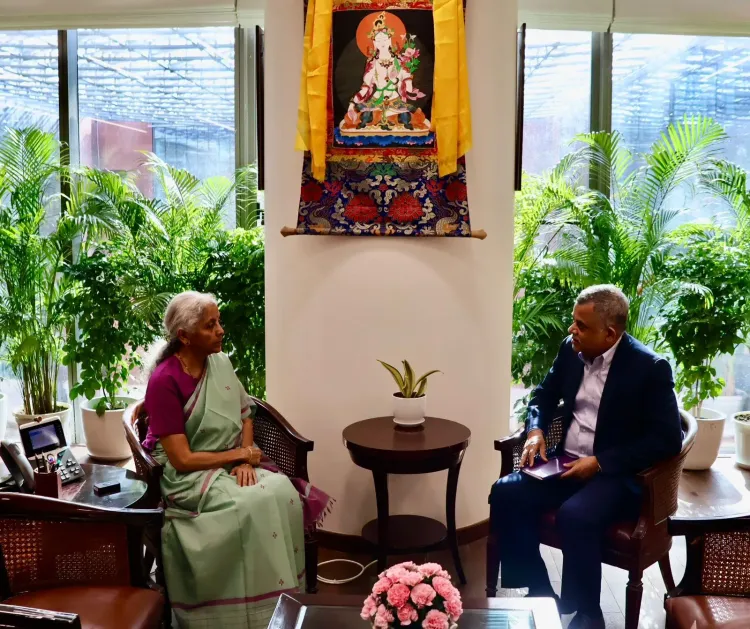
Union Finance Minister Nirmala Sitharaman received World Bank Executive Director Neelkanth Mishra in New Delhi on 22 June 2026. The meeting continues India's long-standing high-level engagement with the Bretton Woods institution, covering lending operations and institutional governance amid the government's active multilateral economic diplomacy.
Key Takeaways
Nirmala Sitharaman , Union Finance Minister, met World Bank Executive Director Neelkanth Mishra on 22 June 2026 in New Delhi .
The meeting is part of India's continuous engagement with the World Bank at the executive board level since 1944 .
Such interactions typically cover the active lending pipeline, reform priorities, and institutional governance positions.
India is among the World Bank's largest borrowers, with projects spanning infrastructure, climate, health, and social protection.
Follow-up announcements on new lending commitments or project approvals will indicate concrete outcomes of the meeting.
Union Finance Minister Nirmala Sitharaman received Neelkanth Mishra, Executive Director at the World Bank, in a formal call on Monday, 22 June 2026 in New Delhi. The meeting marks the latest in a series of high-level engagements between India's finance leadership and officials of the Bretton Woods institution.
Context
Mishra, who serves as Executive Director at the World Bank, called on the Finance Minister at her office. Such calls are a standard diplomatic and institutional practice through which member-country representatives at the World Bank Board engage directly with their home government's senior economic policymakers. The meeting reflects the active channel India maintains with the Bank at the executive level.
Policy Backdrop
India has held continuous representation on the World Bank Executive Board since the institution's founding in 1944. Over the decades, periodic meetings between the Finance Minister and Bank officials have served as a platform to review the lending pipeline, discuss reform priorities, and coordinate positions on institutional governance. Nirmala Sitharaman has been at the helm of India's fiscal policy since 2019, overseeing the country's engagement with multilateral development banks including the World Bank and the International Monetary Fund.
India is among the World Bank's largest borrowers, with the Bank supporting a broad range of programmes spanning infrastructure, climate resilience, health, and social protection. Meetings at this level typically provide an opportunity to review active lending operations and explore new financing pipelines aligned with national priorities.
Stakeholders and Impact
The engagement involves senior finance officials on the Indian side and the World Bank's executive leadership. Development partners and recipient states watch such interactions closely, as they can signal shifts in lending priorities or signal India's positions on governance reforms within the institution. For domestic stakeholders — including infrastructure developers, state governments, and social sector agencies — the World Bank's lending pipeline has direct budgetary implications.
India's combination of domestic fiscal reforms and active multilateral engagement has been a defining feature of its economic diplomacy. Meetings like this one keep those channels open and operationally current.
What's Next
Observers will watch for any follow-up announcements regarding new World Bank lending commitments or project approvals for India. The next IMF-World Bank Annual Meetings will offer another occasion for India to articulate its positions on multilateral development finance. Any joint statements or project signings emerging from this interaction would indicate the concrete outcomes of the June meeting.
Point of View
Keeping the World Bank pipeline active and well-aligned with domestic priorities is a standing imperative for the Finance Ministry. The engagement also signals that India's executive representation at the Bank remains closely coordinated with the home government — a posture consistent with New Delhi's broader push for greater voice in multilateral institutions. At a time when global development finance is under strain, such bilateral contacts help India position itself as both a major borrower and an active institutional stakeholder.
NationPress
21 Sept 2026
Frequently Asked Questions
Who is Neelkanth Mishra and what is his role at the World Bank?
Neelkanth Mishra serves as Executive Director at the World Bank, representing member countries on the institution's executive board and engaging with national governments on lending and governance matters.
Why did the World Bank Executive Director meet Finance Minister Nirmala Sitharaman?
Such meetings are a standard practice through which World Bank executive directors engage with senior policymakers of member countries to review lending operations, discuss reform priorities, and coordinate institutional positions.
What is India's relationship with the World Bank?
India has been a member of the World Bank since its founding in 1944 and is among its largest borrowers, with the Bank financing projects in infrastructure, climate resilience, health, and social protection.
What could come out of the Sitharaman-World Bank meeting in June 2026?
Potential outcomes include discussions on new lending commitments, project approvals, or India's positions on World Bank governance reforms, with formal announcements expected in follow-up communications.
How often does India's Finance Minister meet World Bank officials?
High-level meetings between India's Finance Minister and World Bank officials occur periodically, including on the sidelines of IMF-World Bank Annual Meetings and through direct calls such as the one held on 22 June 2026.