Andhra Pradesh Lokayukta: Mallikarjuna Rao sworn in for 5-year term
Synopsis
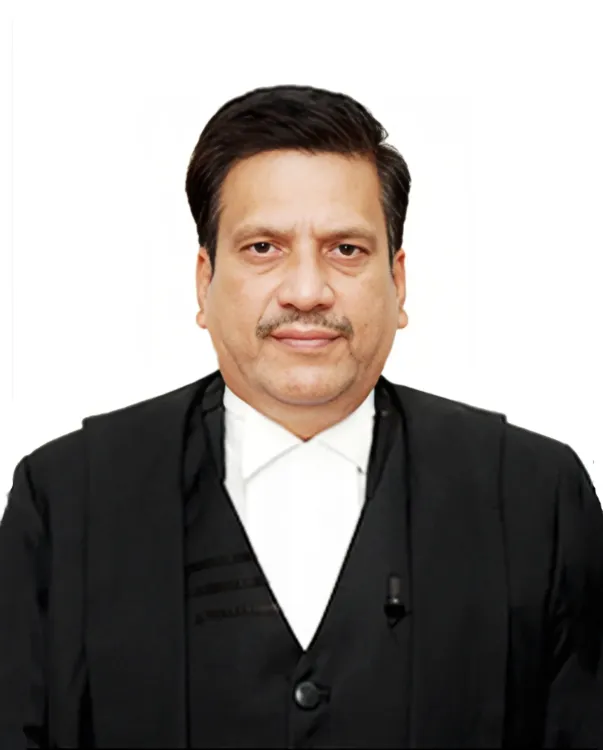
After months of PILs and prolonged vacancy, Andhra Pradesh finally has a Lokayukta. Justice Tallapragada Mallikarjuna Rao was sworn in on 25 August for a five-year term under the amended AP Lokayukta Act of 2024 — restoring a critical anti-corruption oversight mechanism to the state.
Key Takeaways
Justice (Retd.) Tallapragada Mallikarjuna Rao was sworn in as Andhra Pradesh Lokayukta on 25 August at Lok Bhavan, Vijayawada.
Abdul Nazeer administered the oath; Chief Minister N.
Chandrababu Naidu was present at the ceremony.
The appointment was made under Section 3(1) of the AP Lokayukta Act, 1983 , as amended by the AP Lokayukta (Amendment) Act, 2024 .
Mallikarjuna Rao's tenure is fixed at five years from the date of appointment, per the Government Order by Chief Secretary G.
The appointment follows multiple PILs demanding that vacancies in the Lokayukta, APHRC , APERC , and SCDRC be filled.
Justice (Retd.) Tallapragada Mallikarjuna Rao, a former judge of the Andhra Pradesh High Court, was sworn in as the Lokayukta of Andhra Pradesh on Tuesday, 25 August, in a ceremony held at Lok Bhavan in Vijayawada. Governor S. Abdul Nazeer administered the oath of office, marking the formal activation of a key anti-corruption watchdog post that had remained vacant for an extended period.
Key Developments at the Swearing-In
Chief Minister N. Chandrababu Naidu and Minister for Micro, Small and Medium Enterprises Kondapalli Srinivas were among the senior officials present at the ceremony. As per the Government Order issued by Chief Secretary G. Sai Prasad, Justice Mallikarjuna Rao's tenure as Lokayukta is fixed at five years from the date of appointment.
How the Appointment Was Made
The Governor had formally appointed Mallikarjuna Rao last week, exercising powers under Section 3(1) of the AP Lokayukta Act, 1983, as amended by the AP Lokayukta (Amendment) Act of 2024, acting on the recommendation of a statutory selection committee. The selection committee was headed by Chief Minister Naidu and also comprised the Speaker of the Legislative Assembly, a minister nominated by the Chief Minister, the Leader of Opposition in the Assembly, and the Chairperson of the Legislative Council.
In May, the state government had constituted a high-level search committee to scrutinise applications and nominations for the post under the amended provisions of the Act. The government had stipulated that the Lokayukta would be appointed from among retired Chief Justices and retired High Court judges.
Background: PILs and Pending Vacancies
The appointment comes against the backdrop of several public interest litigations filed before the High Court, seeking directions to fill vacant positions in the Lokayukta, the Andhra Pradesh Human Rights Commission (APHRC), the Andhra Pradesh Electricity Regulatory Commission (APERC), and the State Consumer Disputes Redressal Commission (SCDRC). Advocate General Dammalapati Srinivas had earlier informed the High Court that appointments across these bodies were at various stages and would be completed soon.
What Comes Next
With the Lokayukta post now filled, attention turns to the remaining vacancies in the APHRC, APERC, and SCDRC. The Advocate General's assurances to the High Court suggest those appointments are expected to follow in the near term. The newly sworn-in Lokayukta is constitutionally positioned to receive and investigate complaints of maladministration and corruption against public servants in Andhra Pradesh, giving citizens a formal redressal avenue that had been absent during the vacancy period.
Point of View
Compelled in part by persistent PILs, underscores a pattern seen across Indian states: anti-corruption bodies are staffed reactively, under judicial pressure, rather than proactively. The amended AP Lokayukta Act of 2024 broadens the body's mandate, but institutional effectiveness will depend on operational independence and adequate resourcing — neither of which is guaranteed by the oath alone. With vacancies still pending in the APHRC, APERC, and SCDRC, the state's accountability architecture remains incomplete. The real test for the Naidu government is whether it fills those posts with the same urgency, or reverts to the delays that triggered the PILs in the first place.
NationPress
25 Aug 2026
Frequently Asked Questions
Who is the new Andhra Pradesh Lokayukta?
Justice (Retd.) Tallapragada Mallikarjuna Rao, a former judge of the Andhra Pradesh High Court, is the new Lokayukta of Andhra Pradesh. He was sworn in on 25 August at Lok Bhavan in Vijayawada by Governor S. Abdul Nazeer.
How long is the Andhra Pradesh Lokayukta's term?
As per the Government Order issued by Chief Secretary G. Sai Prasad, Justice Mallikarjuna Rao's term as Lokayukta is five years from the date of appointment.
Under which law was the AP Lokayukta appointed?
The appointment was made under Section 3(1) of the AP Lokayukta Act, 1983, as amended by the AP Lokayukta (Amendment) Act of 2024, on the recommendation of a statutory selection committee headed by Chief Minister N. Chandrababu Naidu.
Why was the Lokayukta appointment delayed?
Several public interest litigations had been filed in the High Court seeking directions to fill vacant posts in the Lokayukta and other regulatory bodies. The Advocate General had informed the court that the appointment process was at various stages and would be completed soon.
What other appointments are pending in Andhra Pradesh?
Vacancies remain in the Andhra Pradesh Human Rights Commission (APHRC), the Andhra Pradesh Electricity Regulatory Commission (APERC), and the State Consumer Disputes Redressal Commission (SCDRC). The Advocate General has indicated these will be filled in the near term.