Narmada Project dispute resolved: 4 states sign agreement under Amit Shah

Synopsis
A dispute that outlasted governments and court orders for decades was finally put to rest on 7 July, when all four Narmada Project states signed a settlement on displaced-people rehabilitation and submerged-land compensation — brokered personally by Home Minister Amit Shah. It is the Centre's third major inter-state water-dispute resolution this year alone.
Key Takeaways
Madhya Pradesh , Gujarat , Rajasthan , and Maharashtra signed a settlement on 7 July 2025 ending decades-old Narmada Project disputes.
The agreement covers rehabilitation of displaced communities and compensation for land submerged under the project.
Union Home Minister Amit Shah chaired the meeting; all four Chief Ministers were present.
The Sardar Sarovar Dam — the project's centrepiece — provides irrigation, drinking water, and hydroelectric power to all four states.
The deal is part of a Centre-led push that also resolved the Kishau Multipurpose Dam Project (6 states) and a 32-year-old Rajasthan–Haryana Yamuna water-sharing arrangement this year.
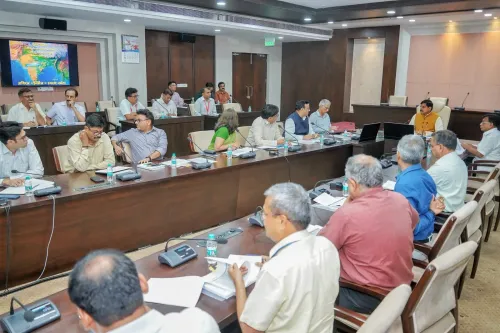
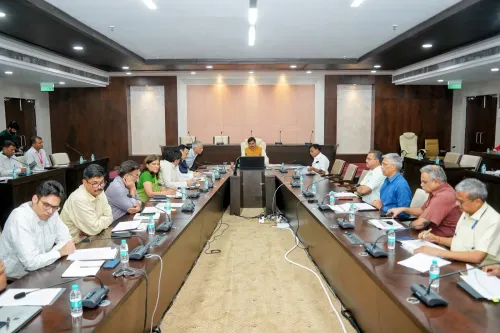
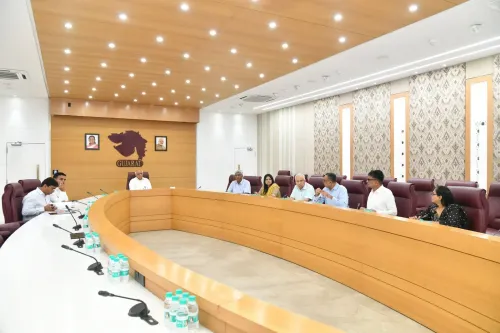
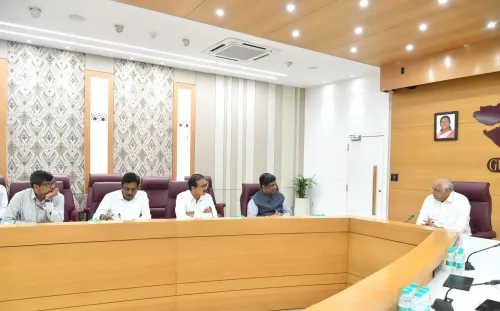
Madhya Pradesh, Gujarat, Rajasthan, and Maharashtra on Tuesday, 7 July reached a landmark agreement to settle decades-old disputes over the rehabilitation of displaced communities and compensation for land submerged under the Narmada Project. The settlement was brokered in New Delhi under the chairmanship of Union Home and Cooperation Minister Amit Shah, ending a multi-state impasse that had remained unresolved for decades.
What the Agreement Covers
According to officials, the settlement addresses two core outstanding issues: the rehabilitation of people affected by submergence under the Narmada Project, and compensation for land acquired in water-submerged zones. Both matters had been the subject of protracted inter-state disagreement since the project's inception.
'All four Chief Ministers agreed to the settlement under the leadership and guidance of Union Home Minister Amit Shah,' officials said.
Who Was in the Room
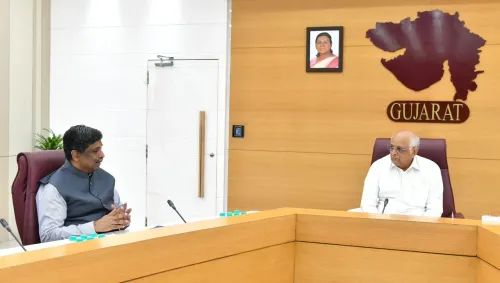
The agreement was signed in the presence of Madhya Pradesh Chief Minister Mohan Yadav, Gujarat Chief Minister Bhupendra Patel, Rajasthan Chief Minister Bhajan Lal Sharma, and Maharashtra Chief Minister Devendra Fadnavis — all four states directly associated with the Sardar Sarovar Dam on the Narmada River.
Background: The Narmada Project
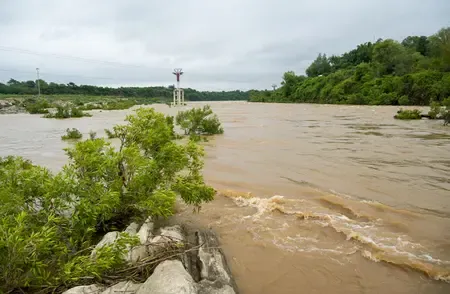
The Narmada Project, anchored by the Sardar Sarovar Dam, is one of India's largest multipurpose river valley projects, providing irrigation, drinking water, and hydroelectric power across the four participating states. Over the years, it has also been the source of prolonged disputes over rehabilitation, land acquisition, compensation, and financial obligations — disputes that repeatedly stalled implementation and relief for affected communities.
Part of a Broader Push to Resolve Inter-State Water Disputes
The Centre has framed Tuesday's agreement as part of a wider effort to clear long-pending inter-state water disputes through negotiated settlements. Earlier this year, six states — Himachal Pradesh, Uttarakhand, Delhi, Uttar Pradesh, Haryana, and Rajasthan — reached a consensus on the long-delayed Kishau Multipurpose Dam Project, resolving issues of water allocation, cost-sharing, and implementation. Separately, Rajasthan and Haryana signed an agreement to operationalise a 32-year-old Yamuna water-sharing arrangement.
What Comes Next
With the inter-state agreement now in place, the focus shifts to implementation — particularly the disbursement of compensation and the rehabilitation of displaced families, a process that advocacy groups have long flagged as inadequately addressed. The Centre's ability to translate this political consensus into on-ground relief will be closely watched.
Point of View
With successive settlements failing to translate into timely relief. The agreement resolves the inter-governmental deadlock, not the humanitarian backlog. Whether compensation reaches affected families, and on what timeline, is the metric that will define whether this is a genuine closure or another headline with deferred delivery.
NationPress
7 Jul 2026
Frequently Asked Questions
What was the Narmada Project dispute about?
The dispute centred on the rehabilitation of communities displaced by submergence under the Narmada Project and compensation for land acquired in submerged zones. These issues had remained unresolved among Madhya Pradesh, Gujarat, Rajasthan, and Maharashtra for decades, stalling relief to affected families.
Who brokered the Narmada Project agreement on 7 July 2025?
Union Home and Cooperation Minister Amit Shah chaired the meeting in New Delhi where the four state Chief Ministers — Mohan Yadav, Bhupendra Patel, Bhajan Lal Sharma, and Devendra Fadnavis — agreed to the settlement.
What is the Narmada Project and why does it matter?
The Narmada Project, anchored by the Sardar Sarovar Dam on the Narmada River, is one of India's largest multipurpose river valley projects. It supplies irrigation water, drinking water, and hydroelectric power to Gujarat, Madhya Pradesh, Maharashtra, and Rajasthan, making inter-state cooperation critical to its functioning.
Are there other inter-state water disputes the Centre has recently resolved?
Yes. Earlier in 2025, six states reached consensus on the long-pending Kishau Multipurpose Dam Project, covering water allocation and cost-sharing. Separately, Rajasthan and Haryana signed an agreement to implement a 32-year-old Yamuna water-sharing arrangement. The Narmada settlement is the third such resolution this year.
What happens next after the Narmada agreement?
The agreement now needs to be translated into on-ground action — primarily the disbursement of land compensation and the rehabilitation of displaced communities. Advocacy groups and affected residents will be watching whether this political settlement delivers faster than previous ones.