Gadkari approves ₹1,175 cr Teesta bridge on NH-10
Synopsis
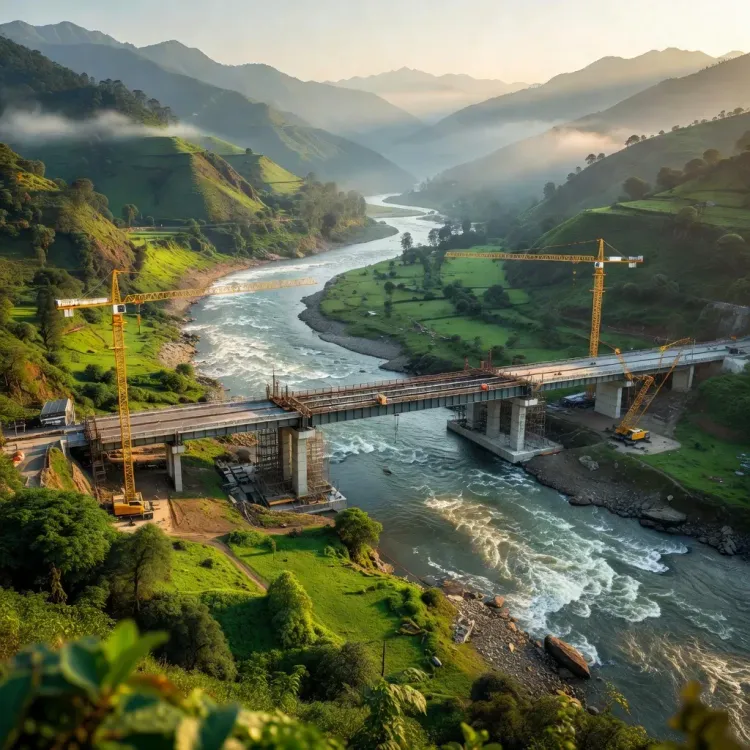
Union Minister Nitin Gadkari has approved ₹1,175.59 crore for a 6.91-km, six-lane bridge over the River Teesta at Sevoke on NH-10 in Darjeeling, aimed at strengthening the Siliguri Corridor and boosting connectivity with Sikkim and the northeastern states.
Key Takeaways
₹1,175.59 crore approved for a 6.91-km, six-lane major bridge with approaches over the River Teesta at Sevoke in Darjeeling.
The bridge is located on NH-10 (Old NH-31) , the primary surface link between Siliguri and Sikkim .
The project is designed to ease movement through the Siliguri Corridor — India's only land link to the northeast — reducing freight and passenger bottlenecks.
The announcement is tagged under PM Gati Shakti and Bharatmala Pariyojana , the Centre's integrated infrastructure planning frameworks.
Expected benefits span trade, tourism, logistics, and socio-economic development across Sikkim, West Bengal and the wider northeast region.
Next steps include tendering, environmental clearances, and forest-land permissions for the Himalayan river site.
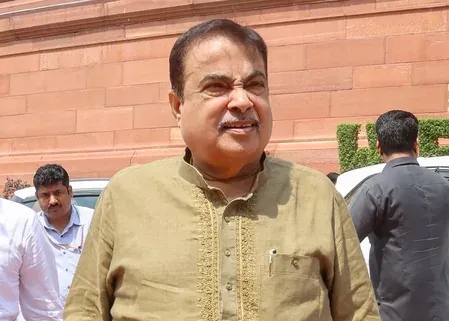
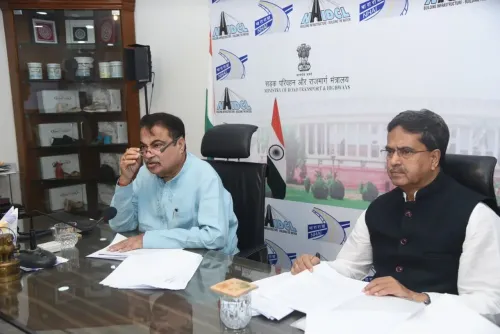
A 6.91-kilometre, six-lane bridge across the River Teesta at Sevoke — one of the most strategically loaded river crossings in the country — just got a green light from New Delhi. Union Road Transport and Highways Minister Nitin Gadkari announced on Wednesday, 30 September 2026 that the Centre has approved ₹1,175.59 crore for the project on NH-10 (Old NH-31) in Darjeeling district, West Bengal.
The announcement dropped as a single post carrying enormous geographic weight. The proposed bridge, with its approach roads, sits astride the Siliguri Corridor — the narrow strip of land, sometimes called the Chicken's Neck, that is India's only land link between its northeastern states and the mainland. Anything that widens or strengthens movement through this chokepoint ripples outward through seven states.
Why Sevoke on the Teesta changes the calculus
The Teesta is a fast, flood-prone Himalayan river that has long complicated road geometry on NH-10, the artery connecting Siliguri with Sikkim and, beyond it, the northeast. A single bridge capable of handling six lanes of traffic — trucks, passenger vehicles, freight convoys — replaces a bottleneck with a corridor. Gadkari's post spells out the intended dividends: smoother passenger movement, faster freight, and a structural boost to trade, tourism, and logistics for communities strung across Darjeeling, Sikkim, and the wider northeast.
That last word — logistics — matters most to economists tracking the region. The Siliguri Corridor handles nearly all surface freight bound for eight states. Congestion here is not a local inconvenience; it is a national supply-chain constraint. A modern six-lane crossing changes the throughput equation fundamentally.
Bharatmala lineage and the Gati Shakti grid
The project fits squarely within two of the Centre's signature infrastructure frameworks. Bharatmala Pariyojana, launched in 2015, identified strategic corridors including NH-10 upgrades as priorities for northeast integration. PM Gati Shakti, rolled out in October 2021, layers rail, road and utility planning on a single digital platform to prevent the siloed approvals that historically delayed corridor projects. The Teesta bridge approval carries both hashtags — #PragatiKaHighway and #GatiShakti — signalling it is being routed through that integrated clearance architecture.
Nitin Gadkari has helmed the highways ministry since 2014, overseeing the single largest expansion of India's national highway network. Bridge and tunnel projects in the northeast have been a recurring feature of annual budget announcements under his watch, reflecting a consistent strategic bet that infrastructure investment in the region pays back in economic integration and security depth.
What comes next for the Sevoke crossing
Approval of cost and alignment is the first gate; the harder ones — tendering, environmental clearances, and any forest-land permissions along the Teesta's banks — follow. The river's Himalayan hydrology adds engineering complexity that few Indian bridge sites match. Still, the financial sanction of over ₹1,175 crore for a project of this scale signals the Centre's seriousness about moving the needle on northeast connectivity in the current budget cycle.
For the communities between Siliguri and Gangtok, a six-lane bridge at Sevoke is not just infrastructure — it is the end of years of watching a strategic artery breathe through a straw. The Centre has found the money. Now the engineers take over.
Point of View
Not just a district. For the BJP, clearing a ₹1,175 crore project in West Bengal ahead of any electoral cycle also carries political subtext: it signals federal investment in a state the party has long sought to consolidate. More structurally, the Siliguri Corridor has acquired fresh strategic salience in recent years, making every infrastructure upgrade there a dual-use dividend — civilian economic integration and strategic redundancy on India's most sensitive land corridor. The test, as always, will be execution speed through clearances.
NationPress
30 Sept 2026
Frequently Asked Questions
What is the Teesta bridge project approved by Gadkari?
Union Minister Nitin Gadkari has approved ₹1,175.59 crore for a 6.91-km, six-lane bridge with approaches over the River Teesta at Sevoke on NH-10 in Darjeeling district, West Bengal, to improve connectivity with Sikkim and the northeastern states.
Where exactly is the Sevoke bridge located?
The bridge is at Sevoke in Darjeeling district, West Bengal , on NH-10 (formerly NH-31) , where the highway crosses the River Teesta before climbing into Sikkim.
Why is the Siliguri Corridor important for this bridge?
The Siliguri Corridor — also called the Chicken's Neck — is the only surface land link between mainland India and the eight northeastern states. The Sevoke bridge directly strengthens this chokepoint, reducing freight and passenger congestion on the corridor.
Which central schemes cover this Teesta bridge project?
The project falls under Bharatmala Pariyojana (launched 2015), which identified NH-10 as a strategic northeast corridor, and is coordinated through PM Gati Shakti (launched October 2021), the Centre's integrated multimodal infrastructure planning platform.
What are the next steps after the approval of the Teesta-Sevoke bridge?
After the financial sanction, the project must clear tendering, environmental and forest-land clearances before construction can begin. The river's Himalayan hydrology adds engineering complexity that will be a key challenge in the execution phase.