Maharashtra drought: Sugar factories seek ₹1,000/tonne govt relief for farmers
Synopsis
Maharashtra's drought is threatening to slash sugarcane recovery rates to as low as 6% — nearly half the 10.25% baseline on which mandatory farmer payments are calculated. With mills unable to cover the gap and the Central government holding back on ethanol procurement, the NFCSF is warning of a sector-wide financial crisis that could leave India short of sugar next year.
Key Takeaways
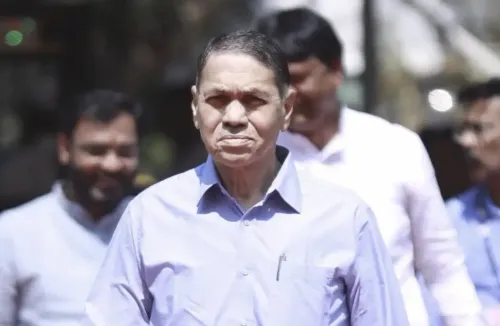
Harshvardhan Patil , Chairman of NFCSF , on Wednesday demanded a ₹1,000 per tonne direct grant to sugarcane farmers and a ₹500 per tonne subsidy to mills.
Drought may reduce sugar recovery rates to 6%–6.5% , far below the 10.25% baseline used to calculate the mandated Fair and Remunerative Price (FRP) .
The Federation has called for the Minimum Selling Price (MSP) of sugar to be fixed at ₹45 per kg .
No official circular has yet reached mills permitting water use for crushing, despite verbal assurances from Water Resources Minister Radhakrishna Vikhe Patil .
A delegation led by CM Devendra Fadnavis met Union Cooperation Minister Amit Shah ; decisions on key demands, including a ₹5/litre ethanol price hike, remain pending.
The Central government's policy against ethanol procurement this season is expected to further deepen financial distress across the sector.
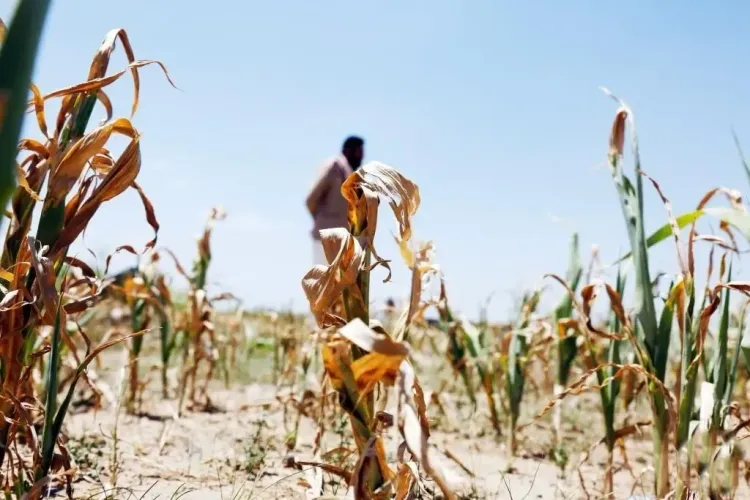
Drought conditions sweeping across Maharashtra are set to sharply cut sugarcane yields and reduce cane weight, threatening the financial viability of sugar mills and the livelihoods of thousands of cane growers ahead of the crushing season. The crisis has prompted industry leaders to formally demand state intervention on multiple fronts.
Key Demands from the Federation
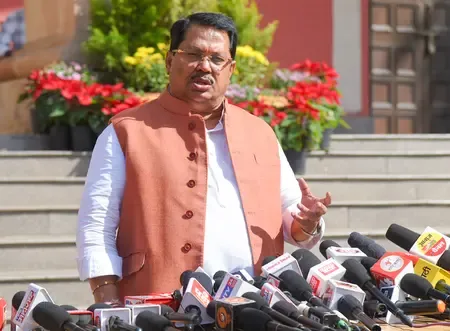
Harshvardhan Patil, Chairman of the National Federation of Cooperative Sugar Factories Ltd (NFCSF) and a former Maharashtra Cooperation Minister, on Wednesday called on the state government to provide a direct grant of ₹1,000 per tonne to sugarcane farmers to cushion the blow of drought-hit yields. Speaking at a press conference in Mumbai, Patil also urged the government to extend a subsidy of ₹500 per tonne to sugar processing factories, citing projected losses of ₹1,000 to ₹1,200 per tonne due to reduced sugar recovery rates.
The Federation additionally demanded that the Minimum Selling Price (MSP) of sugar be fixed at ₹45 per kg, arguing that without a price floor, mills would be unable to meet farmer payment expectations even as retail sugar prices have recently risen.
Why the Drought Is Disrupting the Crushing Season
The state government has directed mills to begin operations by 15 October, but Patil flagged a critical operational hurdle: sugar processing plants require large volumes of water, which is currently being reserved strictly for drinking purposes across drought-affected districts. While Water Resources Minister Radhakrishna Vikhe Patil has verbally indicated that permissions have been granted, no official circular has reportedly reached the mills, leaving factories in a state of uncertainty.
Patil warned that crushing cane prematurely under drought conditions could reduce sugar recovery rates to as low as 6% to 6.5% — well below the baseline recovery rate of 10.25% on which the Fair and Remunerative Price (FRP) is calculated and mandated to be paid to farmers. This structural mismatch between mandated payments and actual recovery would place mills under severe financial strain.
El Niño and Rainfall Uncertainty Add to the Risk
'The combination of high rainfall variability and a strong El Niño outlook could increase uncertainty around cane yields, recovery and sugar production in Maharashtra and Uttar Pradesh,' Patil said. He added that the overall impact would depend heavily on rainfall distribution during the remaining crop growth period. Patil also expressed concern over whether sufficient sugar would be produced in the coming year to meet India's annual national demand.
Delegation Meets Amit Shah; Decisions Still Pending
A delegation led by Chief Minister Devendra Fadnavis recently met Union Cooperation Minister Amit Shah, submitting a set of industry demands that include an increase in the MSP of sugar, a ₹5 per litre hike for B-heavy and C-heavy molasses ethanol, loan restructuring, and an expansion of the Sugar Development Fund. However, officials have yet to announce any decisions on these proposals.
Compounding the sector's distress, Patil noted that the Central government's policy against procuring ethanol this season would further strain the finances of both sugar factories and sugarcane growers, removing an important revenue buffer that mills have increasingly relied on in recent years.
Broader Impact on Farmers, Workers and the Economy
Patil underscored that Maharashtra's sugar sector has far-reaching consequences for farmers, mill workers, exporters, and the state economy at large. The drought, if unaddressed by policy measures, risks a cascading effect — from unpaid FRP dues to worker layoffs and reduced ethanol supply — that could ripple well beyond the farm gate. With the crushing season weeks away, the window for government action is narrowing rapidly.
Point of View
The risk is not just to mill balance sheets but to the FRP payment cycle for hundreds of thousands of farmers — a politically combustible outcome in a state where the sugar belt is an electoral force.
NationPress
1 Oct 2026
Frequently Asked Questions
How is the Maharashtra drought affecting the sugar sector?
The drought is sharply reducing sugarcane yields and cane weight due to water scarcity, and could cut sugar recovery rates to as low as 6%–6.5% — compared to the 10.25% baseline on which mandatory farmer payments are calculated. This creates a large financial gap for mills, which are legally required to pay the Fair and Remunerative Price regardless of actual recovery.
What relief has the NFCSF demanded from the Maharashtra government?
The National Federation of Cooperative Sugar Factories Ltd has demanded a ₹1,000 per tonne direct grant to sugarcane farmers, a ₹500 per tonne subsidy to sugar mills, and the fixing of the Minimum Selling Price of sugar at ₹45 per kg. These demands were made at a press conference in Mumbai on Wednesday by NFCSF Chairman Harshvardhan Patil.
Why can't sugar mills start crushing on the government-directed date of 15 October?
Sugar processing requires large volumes of water, which is currently being reserved for drinking purposes in drought-hit areas. While Water Resources Minister Radhakrishna Vikhe Patil has verbally indicated permissions have been granted, no official circular has reportedly reached the mills, creating an operational deadlock.
What demands did Chief Minister Fadnavis's delegation place before Amit Shah?
The delegation submitted demands including an increase in the MSP of sugar, a ₹5 per litre hike for B-heavy and C-heavy molasses ethanol, loan restructuring for mills, and expansion of the Sugar Development Fund. Officials have not yet announced any decisions on these proposals.
How does El Niño factor into the sugar crisis?
NFCSF Chairman Harshvardhan Patil cited a strong El Niño outlook as a key risk, warning that high rainfall variability could further increase uncertainty around cane yields, recovery rates, and sugar production in Maharashtra and Uttar Pradesh. He said the overall impact would depend on rainfall distribution during the remaining crop growth period.