Gadkari at CII: Smart, safe highways key to Viksit Bharat
Synopsis
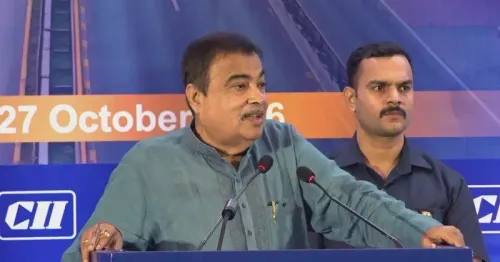
Union Minister Nitin Gadkari addressed CII's National Conference on India's highway future in New Delhi on 27 October 2026, calling for innovation, technology and sustainable practices to build economic-growth-driving highways aligned with the Viksit Bharat vision.
Key Takeaways
Nitin Gadkari addressed CII's National Conference on 'Highways of India's Future: Smart, Safe and Sustainable' in New Delhi on 27 October 2026 .
The Minister emphasised harnessing innovation, advanced technologies and sustainable practices for world-class highway infrastructure.
Gadkari linked highway development directly to economic growth, connectivity, road safety and the Viksit Bharat vision for 2047.
The Bharatmala Pariyojana (approved 2017 ) targets over 34,000 km of national highways, forming the backbone of current highway policy.
NHAI has expanded its mandate to include technology integration and green construction norms alongside construction scale-up.
Next Union Budget allocations and new NHAI pilot announcements will be the key metrics for turning Tuesday's rhetoric into measurable outcomes.
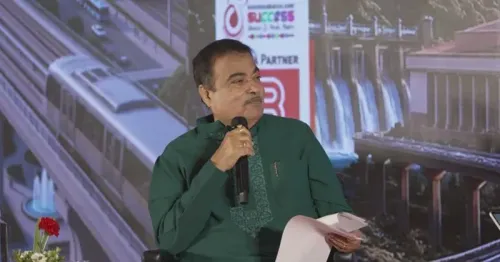
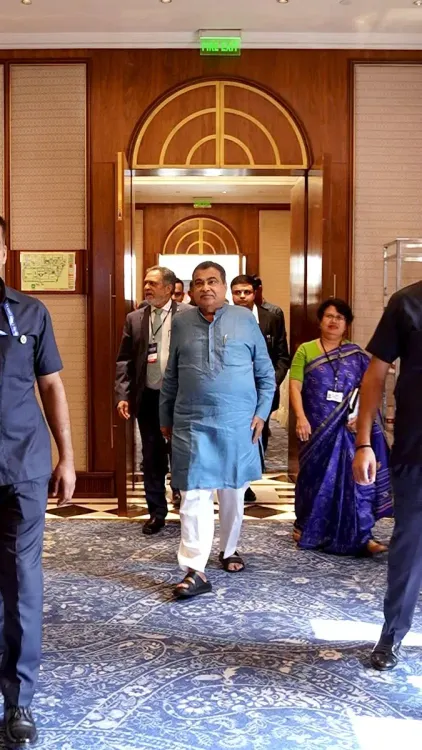
India's highway ambition got a prime-time airing in the capital on Tuesday — and the man driving it made the stakes explicit. Union Road Transport and Highways Minister Nitin Gadkari addressed the Confederation of Indian Industry (CII)'s National Conference on 'Highways of India's Future: Smart, Safe and Sustainable' in New Delhi on 27 October 2026, laying out a vision where every new road kilometre doubles as an economic lever.
The message from the podium
Gadkari's address centred on three pillars: innovation, advanced technology, and sustainable construction practices. 'Our resolve is clear — to build highways that drive economic growth, enhance connectivity, ensure road safety and lay the foundation for a #ViksitBharat,' the Minister said, invoking the government's signature 2047 development goal. The framing was deliberate — highways not as concrete and asphalt, but as arteries of the national economy.
The choice of a CII platform matters. India's largest industry body convenes logistics companies, highway developers, and financial investors under one roof — exactly the ecosystem that converts policy intent into on-ground construction. A minister speaking here is also signalling to private capital: the pipeline is open.
Bharatmala's long shadow and what comes next
The policy lineage behind Tuesday's address runs deep. The Bharatmala Pariyojana, approved in 2017, set a target of developing over 34,000 km of national highways, with a sharp focus on economic corridors designed to cut logistics costs. The National Highways Authority of India (NHAI) expanded its execution mandate sharply after 2014, absorbing new technology mandates — from electronic tolling to green construction norms — alongside raw construction targets.
Successive Union Budgets have steadily raised capital outlay for the roads ministry, making it one of the largest recipients of government infrastructure spending. The pattern is consistent: scale up length, improve quality, embed technology, and tie every project to a measurable economic outcome — freight time, logistics cost, accident rates.
Safety and sustainability — the harder half of the highway agenda
Gadkari's explicit mention of road safety at a forward-looking conference is significant. India remains among the countries with the highest annual road fatality counts — a number that weighs on the ministry's record even as construction milestones are celebrated. Embedding safety into the design and technology conversation, rather than treating it as an afterthought, signals a maturing policy conversation.
Sustainable practices — green construction materials, wildlife crossings, solar-powered rest areas — have begun appearing in NHAI project specifications, nudged by both domestic environmental mandates and the ministry's own net-zero commitments. The CII audience, which includes major highway developers and materials suppliers, heard Tuesday that this is not optional framing.
The next hard test: whether the upcoming Union Budget backs the rhetoric with allocation numbers — and whether NHAI's technology and sustainability pilots move from proof-of-concept to system-wide scale.
Point of View
Raising the political cost of underperformance. The inclusion of safety and sustainability alongside scale signals that the ministry is sensitive to criticism that raw construction numbers mask persistent fatality counts and environmental concerns. Watching the next Budget's capital outlay and NHAI's technology rollout timeline will reveal whether Tuesday's vision translates into binding commitments.
NationPress
27 Oct 2026
Frequently Asked Questions
What did Nitin Gadkari say at the CII conference on 27 October 2026?
Gadkari emphasised the need to harness innovation, advanced technologies and sustainable practices to build world-class highway infrastructure, and said the government's resolve is to build highways that drive economic growth, enhance connectivity, ensure road safety and lay the foundation for a Viksit Bharat.
What is the CII National Conference on Highways about?
The Confederation of Indian Industry (CII) National Conference on 'Highways of India's Future: Smart, Safe and Sustainable' brought together policymakers, industry leaders and infrastructure stakeholders to discuss the future direction of India's highway network.
What is the Bharatmala Pariyojana and how does it relate to Gadkari's vision?
Bharatmala Pariyojana is a national highway development programme approved in 2017 targeting over 34,000 km of highways focused on economic corridors. It forms the backbone of the infrastructure push Gadkari discussed at the CII conference.
What is Viksit Bharat and why does Gadkari link it to highways?
Viksit Bharat is the Indian government's vision for a developed nation by 2047. Gadkari frames highway infrastructure as foundational to achieving that goal by cutting logistics costs, boosting connectivity and enabling faster economic growth.
What should we watch for next on India's highway policy?
Key indicators include upcoming Union Budget capital allocations for the Ministry of Road Transport and Highways and any new NHAI announcements on technology pilots — such as electronic tolling upgrades or green construction standards — that would move the stated vision into implementation.