Gadkari Highlights J&K Highway Push as Transformative
Synopsis
Union Minister Nitin Gadkari on June 12, 2026 spotlighted national highway construction as the engine of 'unprecedented transformation' in Jammu and Kashmir, invoking the Bharatmala and PM Gati Shakti frameworks and tagging both the Lieutenant Governor and Chief Minister.
Key Takeaways
Nitin Gadkari posted on June 12, 2026 highlighting highway-led transformation in Jammu and Kashmir .
The post tagged Lieutenant Governor Manoj Sinha and Chief Minister Omar Abdullah , reflecting J&K's dual governance structure.
The highway push draws on two central schemes: Bharatmala Pariyojana (launched 2015) and PM Gati Shakti (launched 2021).
J&K was reorganised as a Union Territory in 2019 , after which the Centre accelerated road and tunnel projects in the region.
Improved connectivity benefits residents, traders, tourists, and defence logistics along India's northern borders.
Upcoming Union Budget allocations and tunnel completion milestones will be key indicators of progress.
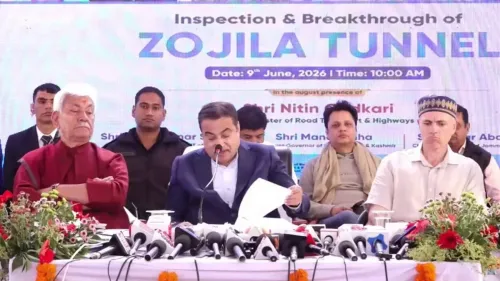
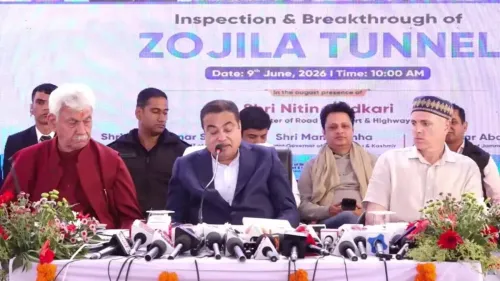
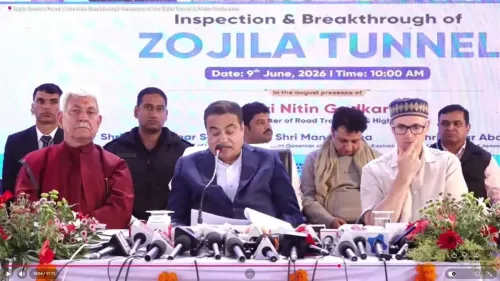
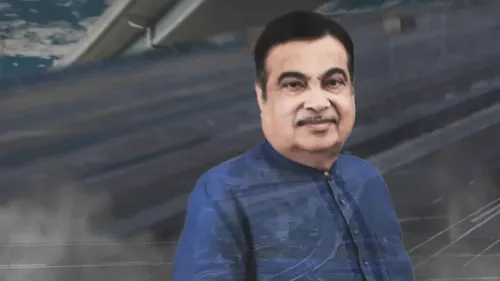
Union Road Transport and Highways Minister Nitin Gadkari on Friday, June 12, 2026, highlighted the sweeping transformation under way in Jammu and Kashmir driven by national highway construction, tagging Lieutenant Governor Manoj Sinha and Chief Minister Omar Abdullah in the post.
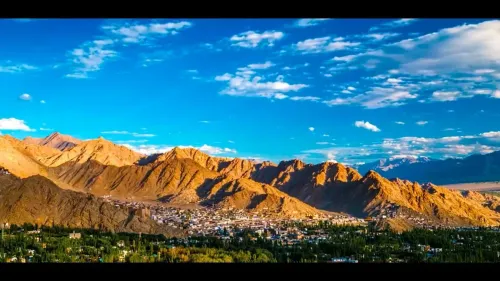
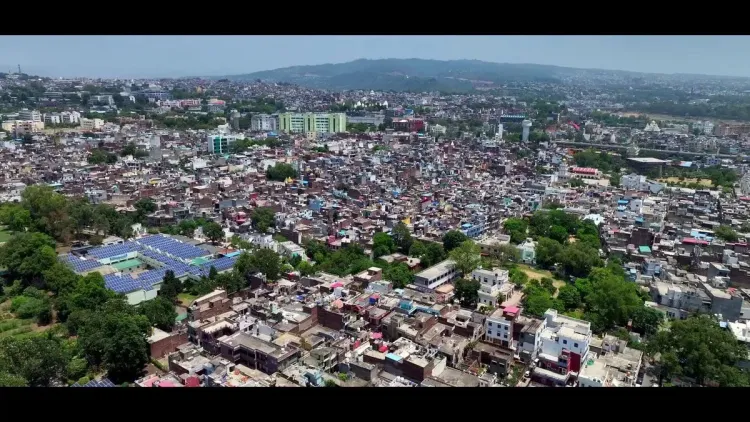
Posting on X under the hashtags #PragatiKaHighway (Highway of Progress) and #GatiShakti, Gadkari wrote: 'राष्ट्रीय राजमार्गों के निर्माण से जम्मू-कश्मीर बन रहा है अभूतपूर्व परिवर्तन का साक्षी!' — 'Jammu and Kashmir is witnessing unprecedented transformation through the construction of national highways!' The post was accompanied by a video.
Context
Jammu and Kashmir was reorganised as a Union Territory in August 2019 following the abrogation of Article 370, after which the central government accelerated road and tunnel projects in the region. The Ministry of Road Transport and Highways approved multiple highway packages for the territory from 2020 onward, aiming to provide all-weather connectivity between the Valley and the rest of India. Gadkari's post signals continued ministerial attention to this strategic corridor.
The hashtag #BuildingTheNation frames the J&K highway drive within a broader national infrastructure narrative that the ministry has consistently promoted. By tagging both the Lieutenant Governor's office and the Chief Minister, Gadkari publicly acknowledged the dual administrative structure of the Union Territory, where the Centre and elected government share governance responsibilities.
Policy Backdrop
The highway push in J&K draws from two flagship frameworks: the Bharatmala Pariyojana, launched in 2015 to construct and upgrade national highways including in border regions, and PM Gati Shakti, the National Master Plan introduced in 2021 for multimodal infrastructure planning. Together, these schemes have channelled investment into Himalayan and border-area corridors that were historically underserved.
India has expanded its national highway network at a rapid pace since 2014, with strategic Himalayan regions receiving priority for economic integration and security reasons. Jammu and Kashmir sits alongside Ladakh and the Northeast as a key focus area of this connectivity drive, with all-weather tunnels and mountain highways forming the backbone of the effort.
Stakeholders and Impact
Improved highway connectivity in J&K directly benefits residents, traders, and tourists who have long faced disruptions due to seasonal road closures caused by snow and landslides. Better roads reduce travel time between Jammu and Srinagar, lower logistics costs for local businesses, and open the region to higher tourist footfall. Strategic all-weather access also carries significance for defence logistics along India's northern borders.
Chief Minister Omar Abdullah, leader of the National Conference and head of the elected government in the UT, has publicly supported infrastructure investment as a lever for economic revival in the region. The tagging of both Abdullah and Lieutenant Governor Manoj Sinha in the minister's post underscores the collaborative framing the Centre is projecting for J&K's development agenda.
What's Next
Attention will now turn to completion milestones for ongoing tunnels and highway corridors in J&K, as well as allocations for the road transport sector in the next Union Budget. The ministry's continued emphasis on the region suggests that J&K connectivity will remain a centrepiece of the government's infrastructure messaging. Progress on the ground — particularly on long-pending tunnel projects — will be the measure against which Gadkari's claims of 'unprecedented transformation' are ultimately judged.
Point of View
The minister projects a cooperative federal image even as the Centre retains significant administrative control over the UT. The invocation of Gati Shakti and Bharatmala places J&K connectivity within a national economic modernisation arc rather than framing it solely as a security imperative. The broader pattern mirrors the government's communications strategy in the Northeast, where highway and rail projects are consistently presented as proof of inclusive national integration.
NationPress
26 Oct 2026
Frequently Asked Questions
What highways is Gadkari building in Jammu and Kashmir?
The Ministry of Road Transport and Highways has approved multiple national highway packages in Jammu and Kashmir under the Bharatmala Pariyojana, focusing on all-weather corridors and tunnels connecting Jammu, Srinagar, and border areas.
What is PM Gati Shakti and how does it relate to J&K roads?
PM Gati Shakti is the National Master Plan launched in 2021 for multimodal infrastructure planning; it provides the coordination framework under which highway, tunnel, and logistics projects in Jammu and Kashmir are planned and executed.
Why did road construction in J&K increase after 2019?
Following the abrogation of Article 370 and J&K's reorganisation as a Union Territory in August 2019, the central government prioritised accelerated road and tunnel projects to improve connectivity, economic integration, and strategic access in the region.
Who is responsible for roads in Jammu and Kashmir?
The Union Ministry of Road Transport and Highways, led by Nitin Gadkari, oversees national highway construction, while the J&K administration — comprising the Lieutenant Governor and the elected Chief Minister — coordinates on implementation at the local level.
How do better highways benefit people in Jammu and Kashmir?
Improved highways reduce travel time between Jammu and Srinagar, lower logistics costs for traders, support tourism, and provide reliable all-weather access that was previously disrupted by snow and landslides each winter.