Gadkari flags Toyota Innova Flex-Fuel launch for Nov 26
Synopsis
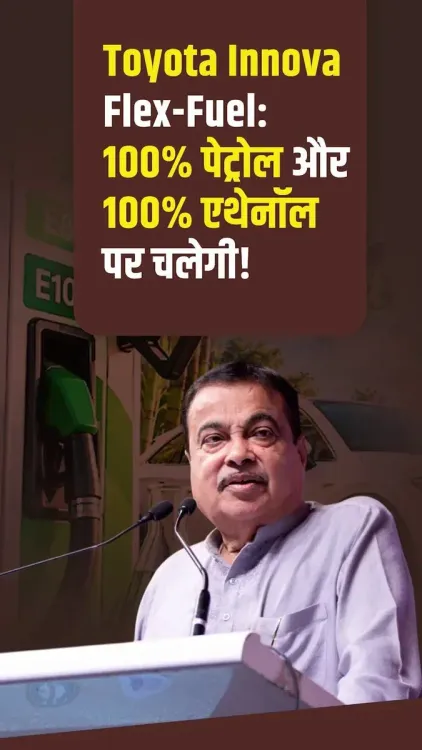
Union Minister Nitin Gadkari has announced a 26 November 2026 launch for Toyota's Innova Flex-Fuel model, which runs on 100% petrol or 100% bioethanol, advancing India's ethanol blending programme and energy-security goals.
Key Takeaways
Toyota Innova Flex-Fuel is set to launch commercially on 26 November 2026 , per Minister Nitin Gadkari's announcement.
The vehicle can run on 100% petrol or 100% bioethanol , giving owners full fuel flexibility.
Approximately 60% of energy during operation is stated to come from electricity under the flex-fuel hybrid system.
India's National Policy on Biofuels (2018) targets 20% ethanol blending by 2030; E20 petrol rollout began in 2023.
India's petroleum import bill exceeds $100 billion annually — bioethanol adoption is a core energy-security lever.
The model is designed to simultaneously benefit sugarcane and grain farmers by creating domestic bioethanol demand.
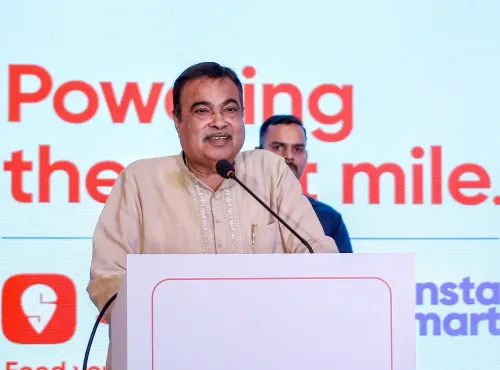
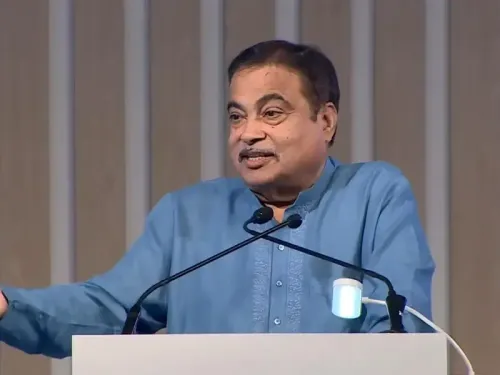
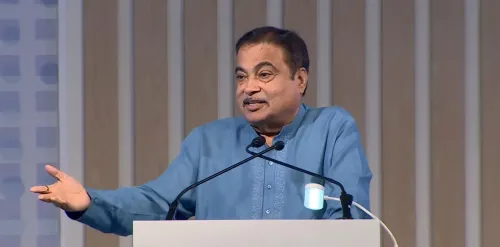
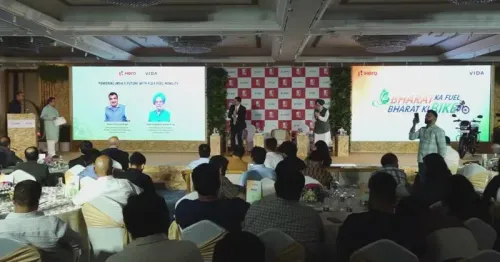
India's push to wean itself off imported petroleum is about to get a high-profile showcase: Union Road Transport and Highways Minister Nitin Gadkari has announced that Toyota's new Innova Flex-Fuel model — capable of running on 100% petrol or 100% bioethanol — is set to launch on 26 November 2026. The minister flagged the development on X, framing it as a landmark step in linking farmers to the country's energy future.
Gadkari's post, originally in Hindi, describes how the vehicle's flex-fuel hybrid architecture means that roughly 60% of its energy will be drawn from electricity during operation. 'This is an important initiative in the direction of reducing dependence on petroleum imports by promoting alternative fuels like ethanol, and connecting farmers to energy production,' the minister wrote.
From sugarcane fields to the fuel tank
The timing is not coincidental. India has been building toward this moment since the National Policy on Biofuels was notified in 2018, which set an ambitious target of 20% ethanol blending in petrol by 2030. By 2023, E20 ethanol-blended petrol had begun rolling out at select fuel outlets across the country as part of a phased national rollout — a programme that has gradually pulled sugarcane farmers and grain growers into the country's energy supply chain.
India's annual petroleum import bill exceeds $100 billion. Every percentage point shifted to domestically produced bioethanol chips away at that figure — and simultaneously creates a price-support floor for surplus agricultural produce. It is an unusually elegant policy loop: rural income and energy security pulling in the same direction.
What Toyota's Innova Flex-Fuel means for Indian roads
Toyota, which has built a substantial manufacturing footprint in India, is now positioning the Innova — one of the country's best-recognised vehicle nameplates — as the first mainstream flex-fuel hybrid on the market. The 'flex' in flex-fuel matters: owners will not be forced to seek out bioethanol pumps. They can fill up with standard petrol when ethanol is unavailable, then switch seamlessly as the fuel network expands. That flexibility removes the single biggest consumer barrier to alternative-fuel adoption.
Gadkari has long been the most vocal Cabinet voice for ethanol, compressed natural gas, and green hydrogen as automotive fuels — positioning India's transport sector as a demand engine for clean-energy transition rather than a passive consumer of imported crude.
26 November as a marker for the flex-fuel era
The commercial launch on 26 November will be closely watched by oil marketing companies, rival automakers, and farmer cooperatives alike. If the model is received well, it could accelerate regulatory mandates or fiscal incentives for flex-fuel vehicles across categories — a signal the broader industry has been waiting for.
India has the agricultural base, the policy framework, and now the first mass-market vehicle. The question is whether the fuel-retail infrastructure can scale fast enough to match consumer appetite. The 26 November launch is not just a product event — it is the opening move in that larger game.
Point of View
He is threading the political needle between rural constituencies and urban climate anxieties. The Toyota Innova choice is strategically shrewd — it is a vehicle that sells in government fleets, taxi services, and middle-class families, maximising the demonstration effect. If the 26 November launch is backed by fiscal incentives such as GST relief or production-linked benefits for flex-fuel vehicles, it could mark the inflection point where alternative-fuel policy shifts from aspiration to mainstream industrial policy.
NationPress
20 Nov 2026
Frequently Asked Questions
What is the Toyota Innova Flex-Fuel and when does it launch in India?
The Toyota Innova Flex-Fuel is a hybrid vehicle that can run on either 100% petrol or 100% bioethanol. Union Minister Nitin Gadkari has announced its commercial launch is planned for 26 November 2026 .
What is flex-fuel technology and how does it work?
Flex-fuel technology allows a vehicle's engine to operate on a blend of petrol and bioethanol in any proportion — including pure petrol or pure bioethanol — without any manual adjustment by the driver. The vehicle's fuel system automatically adapts to the fuel mix available.
How does bioethanol help reduce India's oil import bill?
Bioethanol is produced domestically from sugarcane, maize, and other agricultural feedstock. When blended with or used instead of petrol, it displaces imported crude oil. India's petroleum import bill exceeds $100 billion annually , and each percentage point of ethanol substitution meaningfully reduces that burden.
What is India's National Policy on Biofuels?
India's National Policy on Biofuels , notified in 2018 , set a target of 20% ethanol blending in petrol by 2030. As part of its phased rollout, E20 ethanol-blended petrol began appearing at select fuel stations in 2023 .
How do farmers benefit from India's ethanol programme?
Surplus sugarcane and food grains can be diverted to ethanol production, creating an additional revenue stream for farmers beyond the conventional food market. This links agricultural output directly to the country's energy supply chain, supporting rural incomes.