Giriraj Singh brands Ramleela Maidan rally 'tukde-tukde' plot
Synopsis
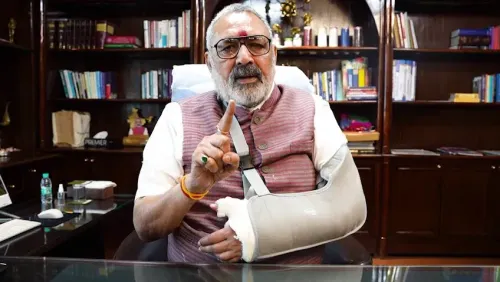
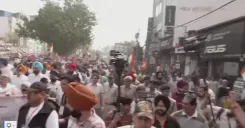
Union Textiles Minister Giriraj Singh accused opposition parties of using a Ramleela Maidan rally on 1 November 2026 to paralyse the economy and spread anarchy, calling it a new chapter of the so-called tukde-tukde conspiracy against India.
Key Takeaways
Union Textiles Minister Giriraj Singh posted on X on 1 November 2026 targeting an opposition rally at Ramleela Maidan , Delhi.
He labelled the gathering a fresh chapter of the 'tukde-tukde' conspiracy aimed at paralysing the economy and spreading anarchy.
Singh accused the opposition of consistently misleading the public during national crises, citing the COVID-19 pandemic (2020) as an example.
The term 'tukde-tukde gang' has been in BJP political discourse since 2016 , originating in criticism of JNU protests over the Afzal Guru execution.
Ramleela Maidan has historically hosted major public assemblies, lending symbolic weight to the BJP minister's attack on the rally's stated purpose.
Opposition parties are expected to reject the characterisation and defend the rally as a constitutional exercise in democratic protest.
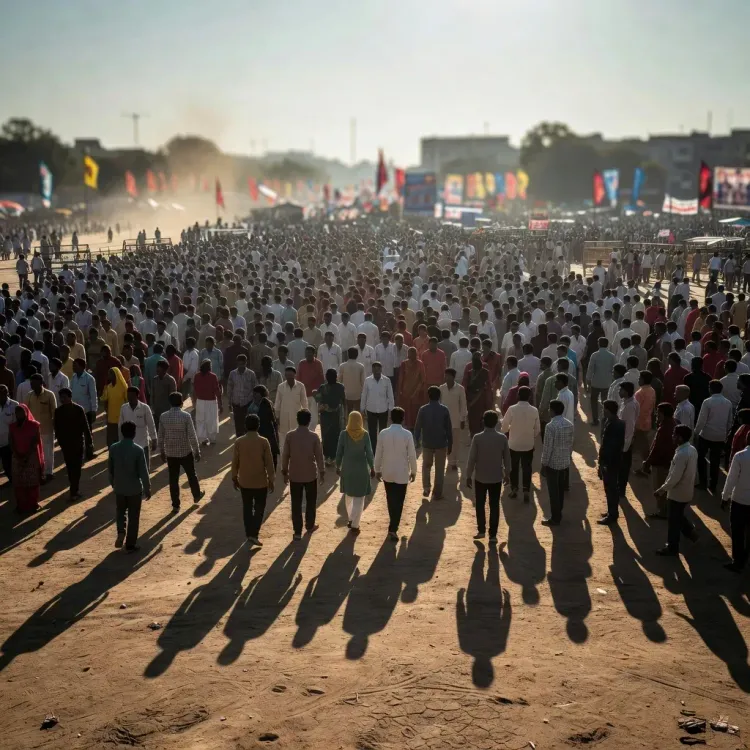
A political rally at one of Delhi's most storied protest grounds has drawn sharp fire from Union Textiles Minister Giriraj Singh, who on Sunday, 1 November 2026, accused the opposition of using the Ramleela Maidan gathering not to voice dissent but to deliberately choke the economy and seed disorder — framing it as a fresh chapter in what he called an old 'tukde-tukde' conspiracy against the nation.
Posting in Hindi, Singh wrote: 'Ramleela Maidan ki yeh rally nahi, balki desh ki arthvyavastha ko thaap karne aur anarchism failane ki inki purani tukde-tukde wali sazish ka naya adhyay hai.' — 'This is not a rally at Ramleela Maidan; it is a new chapter in their old tukde-tukde conspiracy to paralyse the country's economy and spread anarchy.'The 'tukde-tukde' charge and its long shadow
The phrase 'tukde-tukde' — literally 'pieces, pieces,' signifying a plot to fragment the nation — entered mainstream BJP political vocabulary in 2016 during protests at Jawaharlal Nehru University over the execution of Afzal Guru. Since then it has become a recurring rhetorical shorthand the ruling party deploys whenever it characterises opposition mobilisation as going beyond legitimate protest into alleged anti-national territory. Singh's post taps squarely into that decade-long framing.
He went further, invoking past crises: 'Whenever a calamity has struck the country — whether the Covid era or an international crisis — they have always chosen the path of misleading the public and weakening the nation.' The reference to the COVID-19 pandemic from 2020 echoes a line BJP ministers have used repeatedly, accusing opposition groups of obstructing the national pandemic response rather than supporting it. 'The people of this country understand their vile and anti-national politics well — their designs will never succeed,' Singh added.
Ramleela Maidan as political battleground
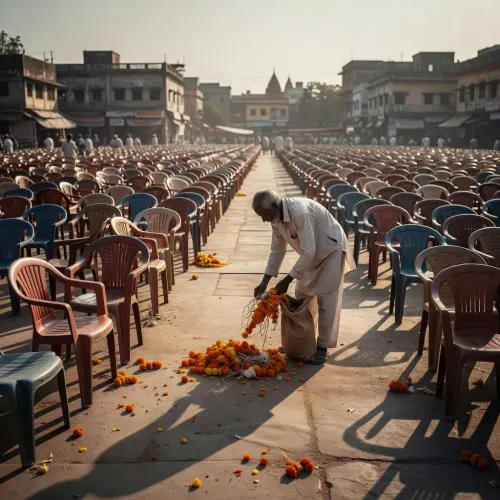
Ramleela Maidan, a sprawling open ground in central Delhi, has been the stage for some of independent India's most consequential public assemblies — from Anna Hazare's anti-corruption fast in 2011 to multiple BJP and opposition mega-rallies in election cycles since. Its name in a political post carries weight beyond geography; it signals scale and national visibility. By naming the venue explicitly, Singh is both acknowledging the rally's ambition and contesting its legitimacy in a single breath.
The post carries a video — the nature of which cannot be independently verified — suggesting the minister may have been responding to visuals circulating from the event. Singh's broadside fits a well-established BJP template: frame large opposition gatherings not merely as political opposition but as structural threats to national stability, particularly when held at symbolically resonant venues during periods of economic or geopolitical stress.
What the opposition will likely say next
Opposition parties have consistently rejected the 'tukde-tukde' label as an attempt to criminalise dissent and silence protest. Expect sharp counter-statements framing the rally as a constitutional exercise and Singh's post as proof of what they call the government's intolerance of accountability. The exchange, now playing out on social media ahead of what are likely to be politically charged months, is already shaping the narrative war over who speaks for the public interest at Ramleela Maidan.
The country's voters, Singh concluded, see through it all. Whether they agree is the question both sides will spend the coming weeks trying to answer.
Point of View
Singh is constructing a pattern of repeat offence rather than a one-off allegation — a prosecutorial rather than political argument. The choice of Ramleela Maidan as the specific flashpoint is deliberate; the ground's symbolic weight amplifies both the rally's visibility and the severity of the charge. With opposition parties likely to rally around 'the right to protest,' this exchange will test which framing resonates more powerfully with an electorate navigating economic anxiety.
NationPress
1 Nov 2026
Frequently Asked Questions
What did Giriraj Singh say about the Ramleela Maidan rally?
Giriraj Singh said the rally at Ramleela Maidan was not a legitimate political gathering but a new chapter of what he called the 'tukde-tukde conspiracy' to paralyse India's economy and spread anarchy.
What does 'tukde-tukde' mean in Indian politics?
'Tukde-tukde' means 'pieces, pieces' in Hindi and refers to an alleged plot to break India apart. The BJP first used the phrase in 2016 to criticise protests at JNU over Afzal Guru's execution, and it has since become a recurring charge against opposition movements.
Where is Ramleela Maidan and why is it significant?
Ramleela Maidan is a large open ground in central Delhi that has hosted many of India's most significant public rallies and protests. Its scale and central location make it a symbolically important venue for political mobilisation.
Why did Giriraj Singh mention the COVID pandemic?
Singh referenced the COVID-19 pandemic from 2020 to suggest a pattern — that the opposition consistently chooses to mislead the public and weaken the nation precisely when India faces its most serious crises, rather than supporting the national response.
What will the opposition likely say in response to Giriraj Singh's post?
Opposition parties are likely to reject the 'tukde-tukde' label as an attempt to criminalise constitutionally protected dissent and defend the Ramleela Maidan rally as a legitimate democratic exercise.