Giriraj Singh spotlights Chhattisgarh's Dhokra craft artisan
Synopsis
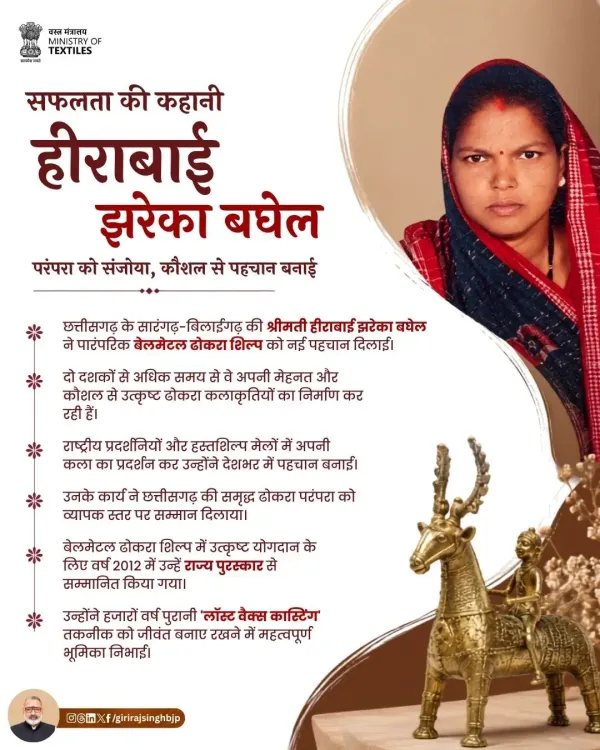
Union Textiles Minister Giriraj Singh has highlighted Chhattisgarh artisan Smt. Heerabai Jhareka Baghel, who is reviving traditional bell-metal Dhokra craft. He urged Indians to recognise and support such craftspeople under the Vocal for Local campaign, linking cultural heritage preservation with economic self-reliance.
Key Takeaways
Union Textiles Minister Giriraj Singh spotlighted Smt.
Heerabai Jhareka Baghel of Chhattisgarh on 27 July 2026 for her work in traditional Dhokra bell-metal craft.
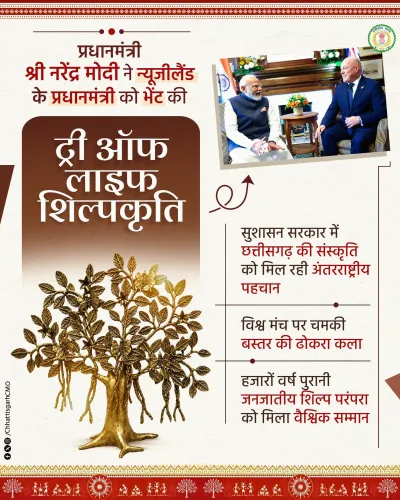
Dhokra is an ancient lost-wax metal-casting tradition practised primarily by tribal communities in central and eastern India.
The post is aligned with the Vocal for Local campaign launched by PM Modi in 2020 under the Atmanirbhar Bharat initiative.
The Ministry of Textiles runs the National Handicrafts Development Programme to provide training, design support and market access to artisans.
Ministerial social media profiling of individual artisans is a deliberate strategy to boost domestic demand and preserve generational craft transmission.
Sustained attention to Chhattisgarh's Dhokra craft could accelerate efforts toward GI tagging and integration into national trade fair and export channels.
Union Textiles Minister Giriraj Singh on Monday, 27 July 2026 highlighted the work of Smt. Heerabai Jhareka Baghel of Chhattisgarh, a traditional bell-metal Dhokra craft artist, calling on citizens to recognise, appreciate and support such artisans through the #VocalForLocal campaign.
In his post, the Minister wrote: 'Chhattisgarh ki Shrimati Heerabai Jhareka Baghel apne hunar se paramparik belmental Dhokra shilp ko nayi pehchaan de rahi hain' — 'With her skill, Smt. Heerabai Jhareka Baghel of Chhattisgarh is giving a new identity to the traditional bell-metal Dhokra craft.' He added that her artworks not only preserve the country's rich cultural heritage but also inspire the new generation to connect with this traditional art form.
Context
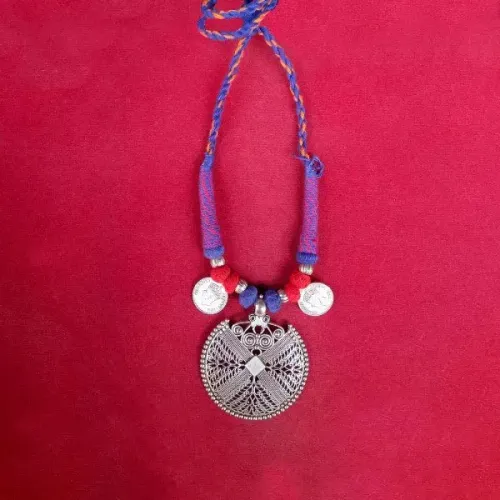
Dhokra is one of India's oldest metal-casting traditions, practised predominantly by tribal communities in Chhattisgarh, Jharkhand, Odisha and West Bengal. The craft uses the lost-wax casting technique and produces figurines, jewellery and utility objects that carry deep cultural and ritualistic significance. Women artisans have historically been central to keeping this tradition alive across generations.
Chhattisgarh is home to a large tribal population and is regarded as one of the heartlands of Dhokra craft. The state's artisans have increasingly sought market access beyond local fairs, and national-level recognition from Union Ministers amplifies that reach significantly.
Policy Backdrop
The Vocal for Local campaign was launched by Prime Minister Narendra Modi in 2020 as a pillar of the Atmanirbhar Bharat initiative, urging Indians to prefer domestically made goods and support indigenous craftspeople. The Ministry of Textiles has since used the campaign as a framework to spotlight regional artisans and traditional crafts on official platforms.
The Ministry operates the National Handicrafts Development Programme, which provides training, design support and market linkages to traditional craftspeople across the country. Profiling individual artisans — particularly women from tribal belts — on social media has become a consistent communication strategy under this programme, aimed at driving domestic consumption and preserving generational skill transmission.
Stakeholders and Impact
The direct beneficiary of such visibility is the artisan community itself. When a Union Minister spotlights a craftsperson by name, it can translate into increased orders, invitations to national trade events such as the India International Trade Fair, and access to government welfare schemes. For Smt. Heerabai Jhareka Baghel, the post represents a significant platform that could connect her work to buyers and collectors nationally.
Tribal women artisans in Chhattisgarh often operate without formal market infrastructure, relying on local haats and intermediaries. Ministerial amplification — especially when paired with hashtags like #SupportArtisans and #Handicrafts — can bypass those intermediaries and build direct public interest. The broader tribal craft ecosystem in the state stands to benefit if the spotlight generates sustained policy attention.
What's Next
The Ministry of Textiles is expected to continue profiling regional artisans in the run-up to major trade fairs and national craft exhibitions. Parliamentary discussions on handicraft export incentives and artisan welfare allocations remain a space to watch, as does the potential extension of Geographical Indication (GI) tags to Dhokra and other bell-metal craft traditions from Chhattisgarh. Sustained ministerial attention to individual artisans like Smt. Baghel could signal a broader push to integrate tribal craft into formal export and e-commerce channels.
Point of View
Particularly women from tribal communities. This approach serves a dual purpose — it builds political goodwill in states like Chhattisgarh while reinforcing the Vocal for Local narrative ahead of potential trade events and budget cycles. The focus on a woman artisan from a tribal belt also aligns with the government's broader messaging around women-led development and tribal welfare. If the spotlight translates into concrete policy action — GI tagging, e-commerce onboarding, or trade fair participation — the post moves from symbolic gesture to measurable intervention.
NationPress
26 Oct 2026
Frequently Asked Questions
Who is Smt. Heerabai Jhareka Baghel?
Smt. Heerabai Jhareka Baghel is a traditional bell-metal Dhokra craft artisan from Chhattisgarh whom Union Textiles Minister Giriraj Singh highlighted on 27 July 2026 for giving new identity to this ancient tribal art form.
What is Dhokra craft?
Dhokra is one of India's oldest metal-casting traditions using the lost-wax technique, practised mainly by tribal communities in Chhattisgarh, Jharkhand, Odisha and West Bengal to create figurines, jewellery and utility objects.
What is the Vocal for Local campaign?
Vocal for Local is a campaign launched by Prime Minister Narendra Modi in 2020 under Atmanirbhar Bharat, urging Indians to prefer domestically made goods and support indigenous artisans and craftspeople.
What does the Ministry of Textiles do for handicraft artisans?
The Ministry of Textiles runs the National Handicrafts Development Programme, which offers training, design support and market linkages to traditional craftspeople, and uses platforms like national trade fairs to promote their work.
Why does the government spotlight individual artisans on social media?
Profiling individual artisans — especially women from tribal communities — on social media is a deliberate strategy to drive domestic demand, encourage generational skill transmission and connect craftspeople to buyers beyond local markets.