Giriraj Singh backs India-Indonesia Global South partnership
Synopsis
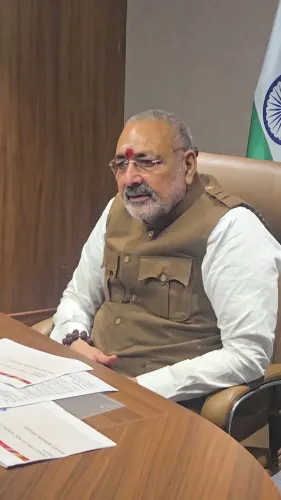
Union Textiles Minister Giriraj Singh amplified the India-Indonesia partnership as a cornerstone of the Global South framework on 12 July 2026, connecting New Delhi's deepening ASEAN engagement to its broader push for multilateral reform and developing-nation solidarity.
Key Takeaways
Giriraj Singh shared an article on 12 July 2026 via the NaMo App framing the India-Indonesia partnership as a 'strong foundation for the Global South framework.' India and Indonesia elevated bilateral ties to a Comprehensive Strategic Partnership in 2018 , covering trade, defence, and connectivity.
India hosted the Voice of Global South Summit in January 2023 , institutionalising a platform for developing-nation coordination ahead of its G20 presidency.
Indonesia is Southeast Asia 's largest economy and a key ASEAN anchor, making it strategically central to India's Indo-Pacific and Global South outreach.
The framing carries direct relevance to Indian textiles exporters , as Indonesia is a major consumer of textile raw materials and a growing trade partner.
Upcoming ASEAN-India summits and future Global South forums are the next milestones to watch for concrete bilateral deliverables.
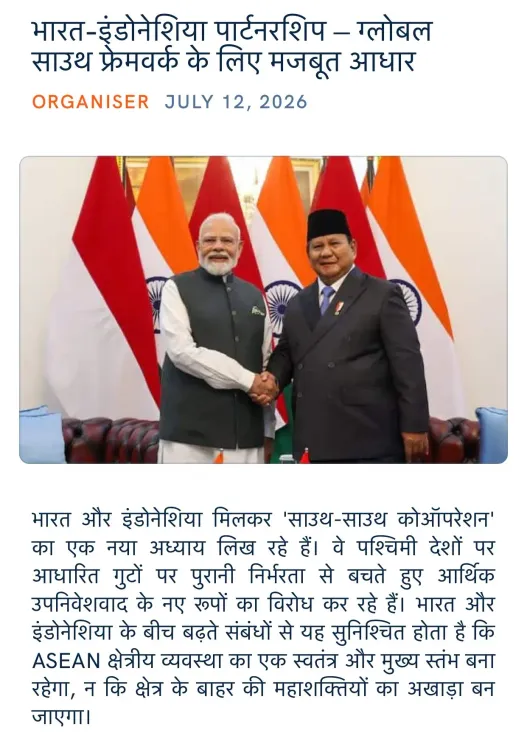
Union Textiles Minister Giriraj Singh on Sunday, 12 July 2026, shared an article highlighting the India-Indonesia partnership as a foundational pillar for a Global South framework, signalling the senior BJP leader's alignment with New Delhi's broader diplomatic outreach to developing nations.
Context
The post, shared via the NaMo App, carried the headline 'Bharat-Indonesia Partnership – Global South Framework ke liye Mazboot Aadhar' ('India-Indonesia Partnership — a strong foundation for the Global South framework'). By amplifying this narrative, Giriraj Singh underscored the ruling dispensation's view that the bilateral relationship with Indonesia is not merely transactional but structurally significant for reshaping global governance in favour of the developing world.
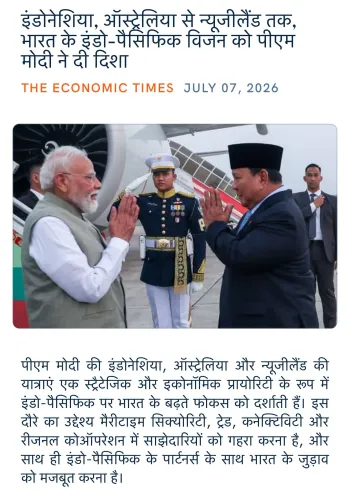
Indonesia is Southeast Asia's largest economy and a key ASEAN member with deep historical, maritime, and trade ties to India. Its demographic weight and strategic position in the Indo-Pacific make it a natural partner for any framework that seeks to amplify the collective voice of the Global South.
Policy Backdrop
The India-Indonesia relationship was elevated to a Comprehensive Strategic Partnership during Prime Minister Narendra Modi's 2018 visit to Jakarta, covering trade, defence, and connectivity. That upgrade set the template for the kind of structured, multi-domain engagement that Global South diplomacy now demands.
India reinforced its credentials as a champion of developing nations when it hosted the Voice of Global South Summit in January 2023, bringing together governments from Africa, Asia, and Latin America to coordinate on global governance ahead of its G20 presidency. The summit institutionalised a platform that New Delhi has continued to invest in diplomatically.
Since its 2023 G20 presidency, India has systematically deepened engagement with major Global South economies, particularly ASEAN partners, to diversify trade and strategic options beyond traditional Western-led institutions. Indonesia, as an anchor state in this geography, sits at the centre of that calculus.
Stakeholders and Impact
For Indian exporters — including those in the textiles sector that Giriraj Singh oversees — a robust India-Indonesia partnership opens corridors for preferential trade, supply-chain integration, and market access across ASEAN. Indonesia is among the world's top consumers of textile raw materials, making the bilateral relationship commercially relevant to the minister's own portfolio.
Developing nations watching this partnership see it as a template: two large, non-Western democracies building institutional weight outside legacy multilateral bodies. The framing of the relationship within a 'Global South framework' signals intent to coordinate on issues such as climate finance, debt restructuring, and reform of international financial institutions.
What's Next
Observers will watch for concrete outcomes at upcoming ASEAN-India summits and any future Voice of Global South gatherings, including whether India and Indonesia table joint positions on multilateral reform. Potential textiles-sector memoranda of understanding or trade facilitation agreements between the two countries would be a tangible downstream indicator of how this strategic framing translates into economic deliverables. Minister Giriraj Singh's decision to amplify this narrative suggests the government is keen to build domestic and diplomatic consensus around the India-Indonesia axis as a cornerstone of its Global South strategy.
Point of View
Not a solitary ministerial opinion. The move also reveals how sectoral ministers are being deployed as ambassadors for a foreign-policy vision that transcends their immediate portfolios, reinforcing the government's whole-of-cabinet approach to Global South diplomacy. Whether this translates into tangible textiles-sector or trade outcomes with Indonesia will be the real test of the rhetoric.
NationPress
11 Oct 2026
Frequently Asked Questions
What did Giriraj Singh post about India and Indonesia?
On 12 July 2026, Union Textiles Minister Giriraj Singh shared an article describing the India-Indonesia partnership as a strong foundation for a Global South framework, signalling support for deepening bilateral and multilateral ties between the two nations.
What is India's Global South framework?
India's Global South framework refers to its diplomatic effort to unite developing nations around shared priorities such as multilateral reform, climate finance, and equitable global governance, a push that gained momentum during India's G20 presidency in 2023 and through events like the Voice of Global South Summit.
What is the India-Indonesia Comprehensive Strategic Partnership?
The Comprehensive Strategic Partnership between India and Indonesia was established during Prime Minister Narendra Modi's 2018 visit to Jakarta, covering cooperation in trade, defence, maritime security, and connectivity.
Why is Indonesia important for India's ASEAN policy?
Indonesia is Southeast Asia's largest economy and a leading ASEAN member with significant demographic and geographic weight in the Indo-Pacific, making it a natural anchor partner for India's efforts to diversify trade and build strategic alternatives to Western-led institutions.
What is the Voice of Global South Summit?
The Voice of Global South Summit is an India-hosted diplomatic forum launched in January 2023 that brings together developing countries from Asia, Africa, and Latin America to coordinate positions on global governance, development, and multilateral reform.