Giriraj Singh backs National Narcotics Action Plan 2026–29
Synopsis
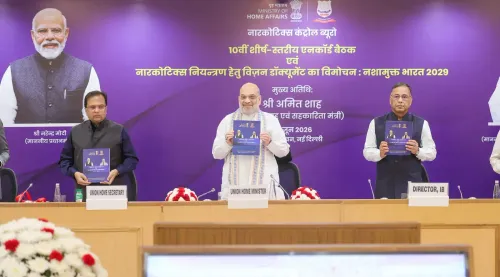
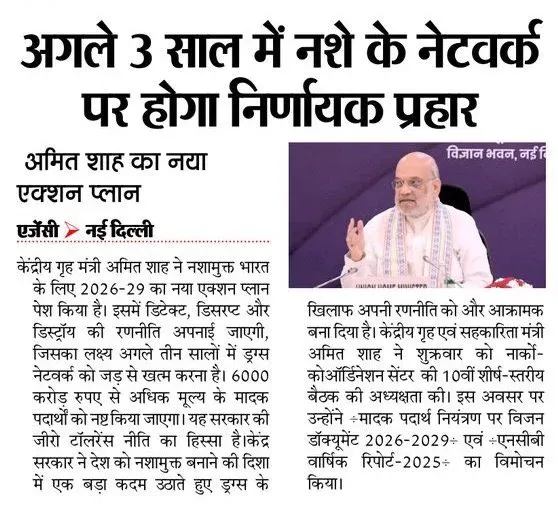
Union Textiles Minister Giriraj Singh has endorsed the National Narcotics Control Action Plan (2026–29), presented by Home Minister Amit Shah under PM Modi's leadership, calling it a decisive move to combat drug networks and fulfil the vision of a drug-free India.
Key Takeaways
Giriraj Singh publicly backed the National Narcotics Control Action Plan (2026–29) on 27 June 2026 .
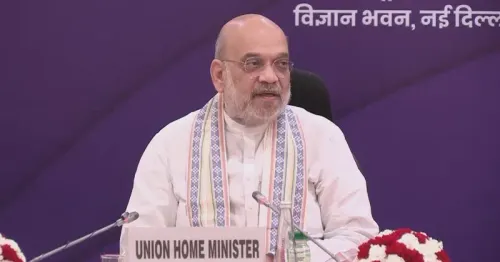
The plan was presented by Union Home Minister Amit Shah under the leadership of PM Narendra Modi .
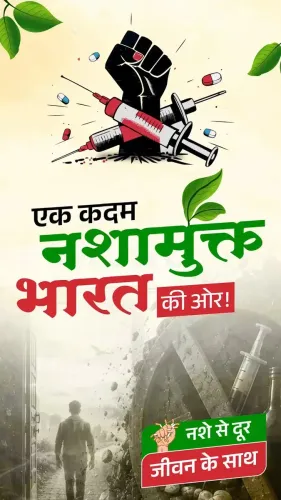
Singh stated drug abuse harms 'not just the individual, but the family, society and the nation's future.' The plan builds on the Nasha Mukt Bharat Abhiyan launched in 2020 and the National Action Plan for Drug Demand Reduction active since 2014 .
Coordination spans the Ministries of Home Affairs, Social Justice and Health , covering enforcement, demand reduction and rehabilitation.
State-level implementation guidelines from the Ministry of Home Affairs are expected to follow.
Union Textiles Minister Giriraj Singh on Saturday, 27 June 2026 publicly endorsed the National Narcotics Control Action Plan (2026–29), calling it a decisive step toward a drug-free India and praising its presentation by Union Home Minister Amit Shah under the leadership of Prime Minister Narendra Modi.
Context
In his post, Singh wrote: 'नशा केवल व्यक्ति नहीं, बल्कि परिवार, समाज और राष्ट्र के भविष्य को भी प्रभावित करता है' — 'Drug abuse affects not just the individual, but also the future of the family, society and the nation.' He described decisive, organised action against narcotics as 'the greatest need of the hour.' The minister specifically cited the new multi-year action plan as one that will 'give fresh momentum to the resolve of a drug-free India and ensure effective strikes against drug networks.'
The post, tagged #NashaMuktBharat and #NewIndia, is part of a broader chorus of endorsements from senior BJP leaders following the plan's presentation by Amit Shah.
Policy Backdrop
India's narcotics control architecture rests on the Narcotic Drugs and Psychotropic Substances (NDPS) Act, 1985, which provides the primary legal framework for enforcement and prosecution. The Nasha Mukt Bharat Abhiyan, launched in 2020, expanded this framework into a mass social campaign targeting youth and communities through awareness drives and de-addiction centres.
The National Action Plan for Drug Demand Reduction has been operational since 2014, with renewed emphasis after 2019 on supply interdiction along sensitive borders. The 2026–29 plan represents the latest iteration, extending the mandate across enforcement, demand reduction and rehabilitation under the Ministry of Home Affairs.
Stakeholders and Impact
The plan's primary beneficiaries are India's youth and vulnerable families, particularly in states with documented drug-abuse challenges. Coordination is expected across the Ministries of Home Affairs, Social Justice and Empowerment, and Health and Family Welfare, reflecting the government's framing of narcotics as simultaneously a law-enforcement and public-health crisis.
Border security dimensions — especially along routes from Pakistan and Myanmar — remain central to supply-side interdiction strategies, with state police forces expected to align with central guidelines issued by the Ministry of Home Affairs.
What's Next
Attention will now turn to parliamentary discussion and budgetary allocation for the 2026–29 plan, with state-level implementation guidelines anticipated from the Ministry of Home Affairs. How effectively the plan translates into measurable reductions in drug trafficking and abuse will determine whether the government's multi-ministry coordination model delivers on its stated ambition of a Nasha Mukt Bharat — a drug-free India.
Point of View
Lending cross-departmental weight to what is primarily a law-enforcement initiative. The framing — linking drug abuse to national futures rather than individual failings — signals a deliberate shift toward a social-welfare narrative that broadens the plan's political appeal beyond security circles. The 2026–29 plan sits within a decade-long pattern of successive multi-year drug-control frameworks, each announced with high-visibility political backing but with implementation outcomes that remain contested at the state level. Whether this cycle produces measurably different results will depend on the budgetary commitments and inter-agency accountability mechanisms that follow the announcement.
NationPress
27 Jun 2026
Frequently Asked Questions
What is the National Narcotics Control Action Plan 2026–29?
The National Narcotics Control Action Plan (2026–29) is a multi-year government framework presented by Union Home Minister Amit Shah to combat drug trafficking and abuse in India through coordinated enforcement, demand reduction and rehabilitation measures.
What is Nasha Mukt Bharat Abhiyan?
Nasha Mukt Bharat Abhiyan is a national campaign launched in 2020 to mobilise communities against substance abuse, running awareness programmes and de-addiction centres across India, particularly targeting youth.
Why did Giriraj Singh comment on the narcotics plan?
As a senior BJP leader and Union Minister, Giriraj Singh publicly endorsed the plan to express support for PM Modi's and Home Minister Amit Shah's anti-drug initiative, reflecting the party's coordinated messaging on the policy.
What law governs drug control in India?
The Narcotic Drugs and Psychotropic Substances (NDPS) Act, 1985 is India's primary legislation for drug control, providing the legal basis for enforcement, prosecution and sentencing related to narcotics offences.
Which ministries are involved in India's anti-drug efforts?
India's anti-drug framework involves the Ministries of Home Affairs, Social Justice and Empowerment, and Health and Family Welfare, covering enforcement, community rehabilitation and public health dimensions respectively.