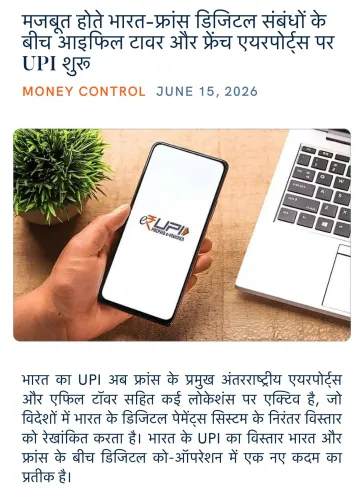
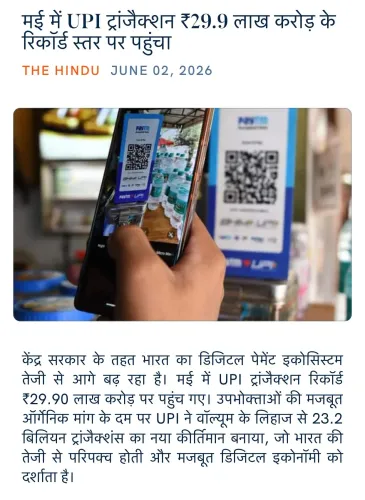
Giriraj Singh backs NPCI-HSBC-JPMorgan UPI global push
Synopsis
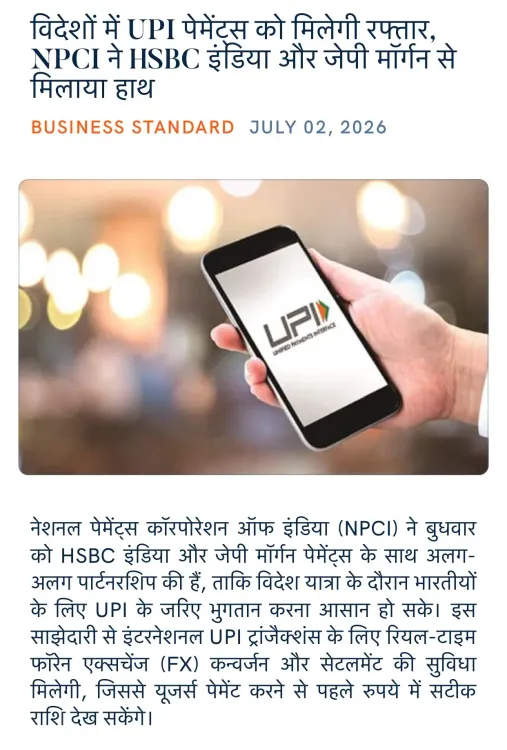
Union Textiles Minister Giriraj Singh on 2 July 2026 shared news of NPCI partnering with HSBC India and JPMorgan to enable real-time foreign-exchange settlement on overseas UPI payments, marking a significant step in India's push to globalise its digital payment infrastructure.
Key Takeaways
NPCI has partnered with HSBC India and JPMorgan to enable real-time FX settlement on overseas UPI payments.
Union Textiles Minister Giriraj Singh amplified the development on 2 July 2026 via the NaMo App .
UPI was launched in 2016 and has expanded to international markets including the UAE , Singapore , Bhutan , and Nepal since 2022 .
The tie-up aims to address real-time FX conversion, a key friction point in cross-border UPI transactions.
Overseas Indians, cross-border traders, and fintech firms are among the primary beneficiaries.
Further country linkages and bank partnerships for international UPI are expected from NPCI and RBI .
Union Textiles Minister Giriraj Singh on Thursday, 2 July 2026, shared news of a significant partnership between NPCI, HSBC India, and JPMorgan aimed at accelerating real-time foreign-exchange settlement on overseas UPI payments, amplifying the development via the NaMo App.
Context
The post, shared in Hindi, reads: 'Videshon mein UPI payments ko milegi raftaar' ['UPI payments abroad will gain speed'], flagging the three-way tie-up as a milestone for India's cross-border digital payments ambitions. By sharing the development through the NaMo App, a BJP-linked platform, Giriraj Singh signalled the ruling party's enthusiasm for India's expanding digital public infrastructure footprint.
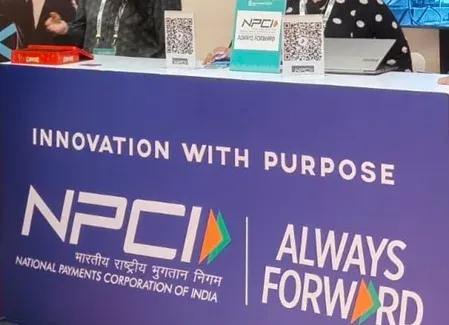
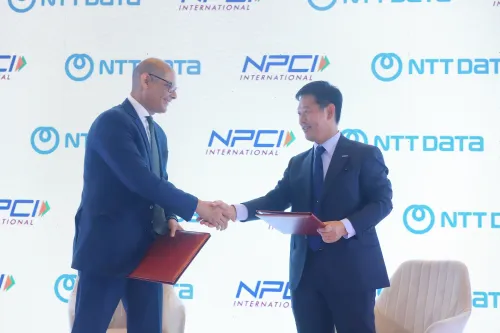
The partnership involves National Payments Corporation of India (NPCI), the HSBC India subsidiary of the global banking group, and JPMorgan Chase, one of the world's largest financial institutions with a significant presence in cross-border payment corridors. The stated goal is real-time FX conversion for UPI transactions executed outside India.
Policy Backdrop
NPCI launched UPI in 2016 to enable instant inter-bank transfers domestically. From 2022 onwards, the organisation signed a series of bilateral agreements enabling UPI acceptance in countries including the UAE, Singapore, Bhutan, and Nepal, steadily building an international acceptance network.
The latest move targets a persistent friction point: real-time foreign-exchange settlement. Earlier cross-border UPI arrangements relied on pre-funded wallets or delayed FX conversion, making them less competitive with established card networks for travel and remittance use cases. Bringing in global banking majors such as HSBC India and JPMorgan is designed to embed real-time FX liquidity directly into the UPI rails.
This sits within India's broader push to internationalise rupee-denominated transactions and reduce dependence on dollar-intermediated payment networks, an objective reflected in successive Reserve Bank of India circulars on cross-border payment frameworks.
Stakeholders and Impact
The most direct beneficiaries are the estimated 32 million members of the Indian diaspora and the far larger cohort of Indians who travel abroad annually, both groups that currently pay conversion fees and face settlement delays when using digital payment tools overseas. Cross-border traders and small exporters who invoice in rupees stand to gain from lower transaction costs if real-time FX becomes routine on UPI.
For HSBC India and JPMorgan, the arrangement offers access to UPI's vast domestic user base — now numbering in the hundreds of millions — as a source of outbound cross-border payment volume, a commercially attractive proposition as global banks compete for remittance and travel-payment business. Fintech firms building on UPI infrastructure could also integrate real-time FX capabilities into their products.
What's Next
Observers will watch for formal announcements from NPCI and the Reserve Bank of India on the operational timeline and the specific currency corridors covered under the new arrangement. Additional bank tie-ups and further country linkages for UPI are widely anticipated as India continues to position its digital payment stack as an exportable model of financial infrastructure.
The internationalisation of UPI has become a recurring theme in India's diplomatic and economic engagements; whether the HSBC-JPMorgan partnership accelerates adoption in high-volume corridors such as the US, UK, and Gulf will be the key metric to track.
Point of View
Not just a regulatory achievement. The NPCI-HSBC-JPMorgan tie-up is the latest in a sequence of moves designed to shift UPI from a domestic success to a credible global payments rail, directly challenging dollar-intermediated networks. Real-time FX settlement is the missing link that earlier international UPI arrangements lacked, and bringing in two major global banks signals institutional confidence in the architecture. If the corridor economics work, this could meaningfully accelerate rupee internationalisation — a long-stated RBI and finance ministry goal.
NationPress
2 Jul 2026
Frequently Asked Questions
What is the NPCI HSBC JPMorgan UPI partnership about?
The partnership between NPCI, HSBC India, and JPMorgan is aimed at enabling real-time foreign-exchange settlement for UPI payments made outside India, reducing conversion delays and costs for overseas users.
Can I use UPI for payments abroad?
Yes. NPCI has enabled UPI acceptance in several countries including the UAE, Singapore, Bhutan, and Nepal since 2022, and is expanding the network further through new banking partnerships.
Why did Giriraj Singh share news about UPI payments?
Union Textiles Minister Giriraj Singh shared the development via the NaMo App on 2 July 2026, signalling the BJP government's support for India's expanding digital payment infrastructure globally.
What is NPCI and what does it do?
NPCI, or the National Payments Corporation of India, operates India's retail payment systems including UPI under RBI oversight. It launched UPI in 2016 to enable instant digital inter-bank transfers.
What does real-time FX settlement mean for UPI users abroad?
Real-time FX settlement means that when an Indian uses UPI overseas, the currency conversion happens instantly at the point of transaction rather than being delayed or pre-funded, making payments faster and potentially cheaper.