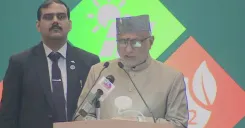
Giriraj Singh backs silk, small industry push for women entrepreneurs
Synopsis
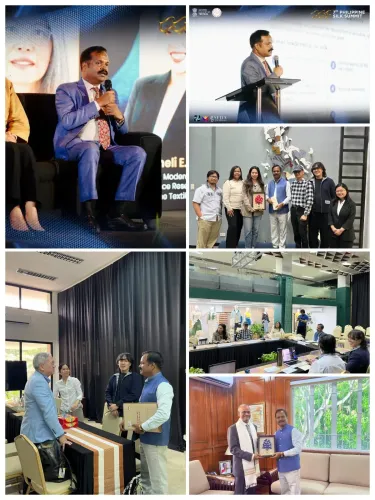
Union Textiles Minister Giriraj Singh praised a local sericulture and small-industry initiative on November 5, 2026, highlighting how bundled access to technical training, bank credit, and government subsidies can make women entrepreneurs self-reliant under India's silk development framework.
Key Takeaways
Union Textiles Minister Giriraj Singh praised a grassroots sericulture initiative on November 5, 2026 , calling it a 'commendable effort.' The Minister specifically highlighted the role of technical information, bank credit, and government subsidies in empowering women entrepreneurs.
The Central Silk Board , operational since 1948 , anchors sericulture development across India including tussar silk in Bihar .
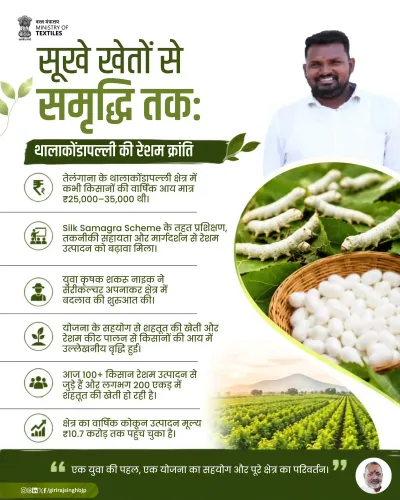
The Silk Samagra scheme bundles technology upgradation, training, and infrastructure support for silk production clusters.
The push aligns with the Atmanirbhar Bharat framework targeting women's participation in traditional craft value chains.
Sector observers now watch for updated cluster guidelines and new credit-subsidy linkages in the next budget cycle.
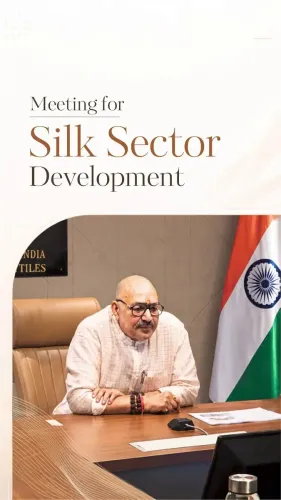
India's traditional silk sector has a new champion in the room. Union Textiles Minister Giriraj Singh on Thursday, November 5, 2026, publicly praised a local initiative aimed at advancing sericulture and small industries, specifically calling out its potential to make women entrepreneurs self-reliant through bundled access to technical know-how, bank credit, and government subsidies.
Posting in Hindi on X, the Minister described the effort as 'sarahaniya pahal' — 'a commendable initiative' — adding that information on technology, bank loans, and government subsidies 'will be helpful in making local entrepreneurs, especially women, self-reliant (atmanirbhar).'Silk Samagra and the credit-subsidy bundle driving this push
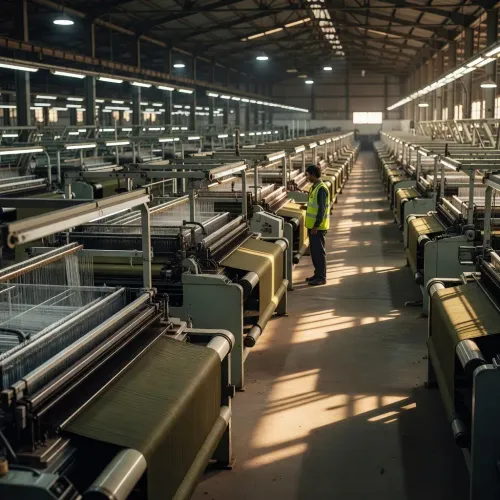
The remark lands squarely within a policy architecture that the Ministry of Textiles has been building for years. The Central Silk Board, established in 1948 as a statutory body under the Ministry, has long anchored sericulture development across India — from mulberry cultivation in the south to tussar varieties prevalent in Bihar, the Minister's own constituency state.
The more recent machinery is the Silk Samagra scheme, a central sector programme that bundles technology upgradation, training, and infrastructure support for silk production clusters. When a minister with Singh's political weight singles out the combination of technical guidance, bank linkage, and subsidy access, it signals the scheme's implementation priorities for the near term.
Women at the centre of the sericulture value chain
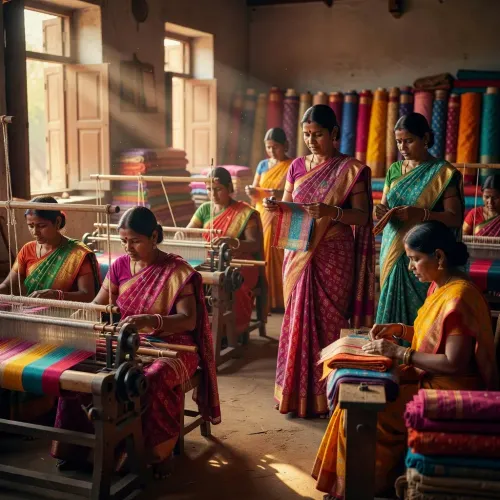
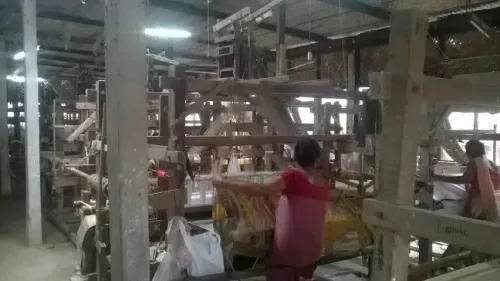
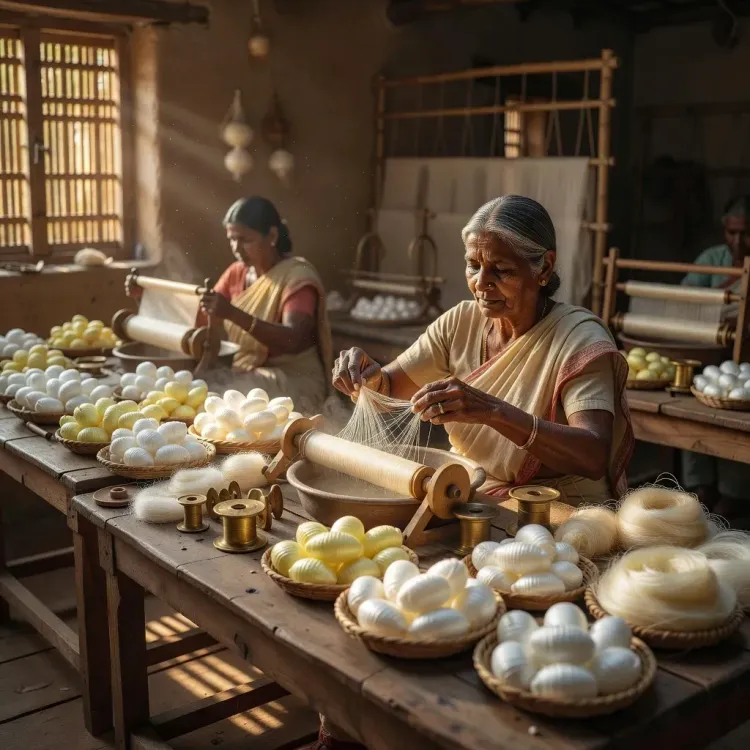
The Minister's emphasis on women is not rhetorical. Across Bihar and other states with sericulture potential, women form the backbone of raw silk reeling and weaving micro-enterprises — yet they remain the most underserved segment when it comes to formal credit. The push to bring bank loans and subsidies directly to this cohort aligns with the broader Atmanirbhar Bharat framework, which has consistently identified traditional crafts as a lever for women's economic participation and import substitution in textiles.
Rural artisans and small producers who gain access to this triple package — training, credit, subsidy — can potentially move up the value chain from raw cocoon to finished fabric, multiplying income at the household level.
What the signal means for the next budget cycle
Observers of the textiles sector will now watch for updated sericulture cluster guidelines and fresh credit-subsidy linkages that could be announced in the upcoming budget cycle. A ministerial endorsement of a grassroots silk initiative, made publicly and on record, typically precedes a scale-up in programme allocations. The fact that Singh frames it in the language of atmanirbharta — self-reliance — suggests the Ministry intends this not as a one-off event but as a replicable model for silk-producing districts across India.
India is the world's second-largest silk producer, and every percentage point of domestic value addition keeps that position — and the livelihoods tied to it — intact.
Point of View
Credit, subsidy — to mainstream women in traditional manufacturing. By invoking the language of self-reliance, the Minister is tethering a sector-specific intervention to the larger Atmanirbhar Bharat political narrative, reinforcing its electoral resonance in silk-producing states like Bihar. The signal also comes at a tactically useful moment: a ministerial stamp on grassroots activity often precedes a scale-up in programme allocations during the budget cycle. India's position as the world's second-largest silk producer makes every such push a question of both livelihood and economic sovereignty.
NationPress
5 Nov 2026
Frequently Asked Questions
What did Giriraj Singh say about silk and women entrepreneurs?
Union Textiles Minister Giriraj Singh praised a local sericulture and small-industry initiative, saying that access to technical information, bank loans, and government subsidies will help make local entrepreneurs — especially women — self-reliant.
What is the Silk Samagra scheme?
Silk Samagra is a central sector scheme under the Ministry of Textiles that provides bundled support including technology upgradation, training, and infrastructure development for silk production clusters across India.
What does the Central Silk Board do?
The Central Silk Board is a statutory body established in 1948 under the Ministry of Textiles to promote sericulture and the silk industry across India, including both mulberry and non-mulberry varieties like tussar found in Bihar.
How does sericulture help women in Bihar?
Women in Bihar and other sericulture states form the backbone of raw silk reeling and weaving micro-enterprises. Government schemes that link them to formal credit and subsidies allow them to move up the value chain and increase household incomes.
What is Atmanirbhar Bharat's role in the silk sector?
The Atmanirbhar Bharat initiative promotes domestic manufacturing and self-reliance, and has identified traditional crafts like silk production as a key lever for women's economic participation and import substitution in the textiles sector.