Giriraj Singh Flags Creativity, Sustainability as India's Textile Edge
Synopsis
Union Textiles Minister Giriraj Singh on 17 July 2026 declared that India's creativity and sustainability commitment are establishing it as the world's 'Trusted Partner' in textiles, invoking BharatTex2026 as a showcase platform. The statement reinforces a multi-year policy arc linking the PLI scheme, Atmanirbhar Bharat branding and international trade promotion.
Key Takeaways
Giriraj Singh on 17 July 2026 cited creativity and sustainability as India's core strengths in global textiles trade.
The post was tagged #BharatTex2026 , flagging the upcoming flagship textiles trade event as a key showcase platform.
The 'Trusted Partner' framing aligns with a government-wide narrative to position India as a reliable, ESG-compliant sourcing destination.
The PLI Scheme for Textiles , approved in 2021 , underpins this push by incentivising man-made fibre and technical textiles manufacturing.
Key beneficiaries include textile exporters and handloom weavers , who gain from premium international market access tied to sustainability credentials.
Upcoming Union Budget allocations for sustainable textiles will be a critical test of fiscal commitment behind the sustainability messaging.
Union Textiles Minister Giriraj Singh on Friday, 17 July 2026 invoked India's commitment to creativity and sustainability as the twin pillars positioning the country as a trusted global partner in textiles, using the occasion to highlight the upcoming BharatTex2026 trade event.
Context
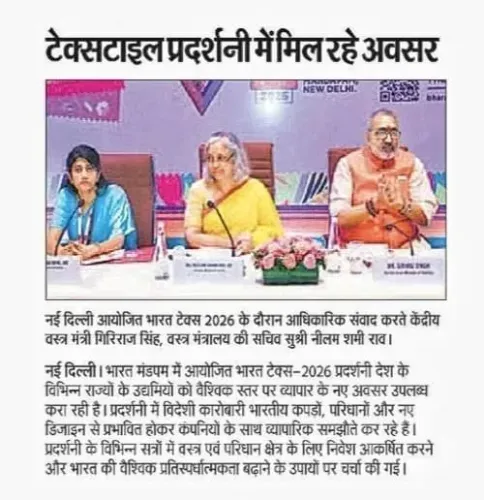
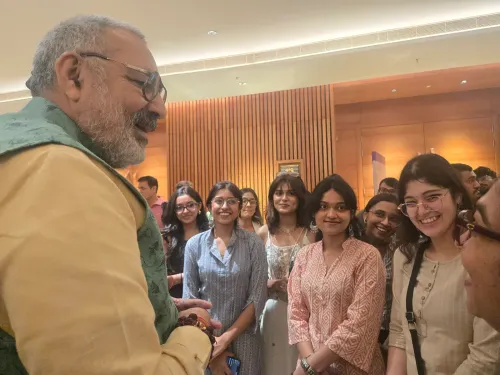
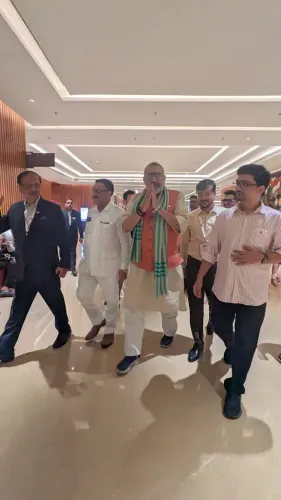
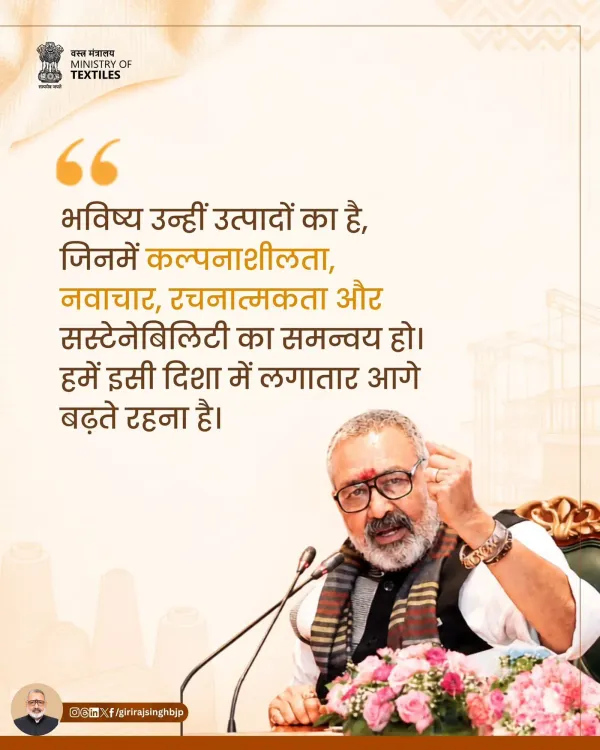
Posting on X, the Minister wrote: 'हमारी रचनात्मकता और सस्टेनेबिलिटी के प्रति प्रतिबद्धता ही भारत को दुनिया का Trusted Partner के रूप में स्थापित कर रही है' — translated: 'Our creativity and commitment to sustainability is what is establishing India as the world's Trusted Partner.' The post was accompanied by an image and tagged #NewIndia and #BharatTex2026, signalling the government's intent to link domestic industrial messaging with international trade promotion.
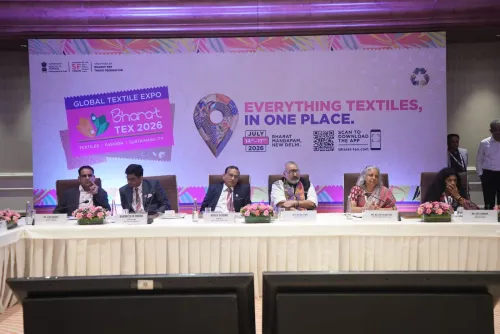
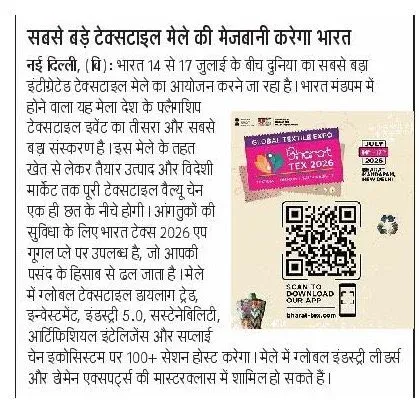
BharatTex is India's flagship global textiles trade event, organised to showcase the full breadth of the country's textile value chain to international buyers, brands and sourcing executives. The 2026 edition is being positioned as a platform to cement India's standing as a reliable, sustainable alternative in global supply chains.
Policy Backdrop
The Ministry of Textiles has in recent years anchored its international outreach around two interlinked themes: scale and sustainability. India has actively promoted organic cotton, traceability standards and circular-economy practices to differentiate itself from dominant textile-producing nations.
This push is underpinned by the Production Linked Incentive (PLI) Scheme for Textiles, approved in 2021, which targets man-made fibre and technical textiles manufacturing and exports. The scheme is part of the broader Atmanirbhar Bharat framework that seeks to reduce import dependence and grow export capacity simultaneously. Successive policy moves have aligned domestic manufacturing incentives with participation in international trade events and standards bodies.
The 'Trusted Partner' framing deployed by Giriraj Singh fits into a deliberate narrative that the government has built over several years — that India's textiles sector is not merely a low-cost option but a responsible, quality-assured sourcing destination for global brands.
Stakeholders and Impact
The primary beneficiaries of this positioning are textile exporters and handloom weavers, who gain market access and premium pricing when sustainability credentials are recognised internationally. For exporters, alignment with global environmental, social and governance (ESG) standards increasingly determines entry into key markets such as the European Union and the United States.
Handloom and artisan clusters stand to benefit from the 'creativity' dimension of the Minister's message, which implicitly elevates traditional craft knowledge as a competitive differentiator rather than a legacy segment. Branding India's handloom and natural-fibre heritage under a sustainability umbrella can unlock premium retail channels globally.
For global sourcing executives, the government's sustained messaging — backed by policy instruments like PLI — offers signals of long-term reliability, a factor that has grown in importance as supply-chain diversification accelerates worldwide.
What's Next
All eyes will be on the official calendar and participation scale of BharatTex2026, including the range of international delegations and buyer commitments it attracts. Any fresh budgetary allocation or scheme extensions for sustainable textiles in the next Union Budget will be closely watched as a measure of the government's fiscal commitment behind the rhetoric.
If India succeeds in converting its sustainability narrative into verifiable standards and certified supply chains, the 'Trusted Partner' label could translate into durable export contracts — moving the conversation from branding to balance sheets.
Point of View
Designed to prime international buyers and domestic stakeholders simultaneously. The 'Trusted Partner' formulation is notable because it shifts the conversation from price competitiveness — long India's default pitch — toward reliability and values-based sourcing, a register more attuned to ESG-conscious Western procurement teams. This messaging dovetails with the broader Atmanirbhar Bharat arc, which has consistently sought to reframe self-reliance not as protectionism but as supply-chain resilience for the world. Whether the branding converts into binding sourcing agreements at BharatTex2026 will be the real metric of its effectiveness.
NationPress
17 Jul 2026
Frequently Asked Questions
What is BharatTex2026?
BharatTex2026 is India's flagship global textiles trade event, designed to showcase the country's textile value chain — from fibre to fashion — to international buyers, brands and sourcing executives, with a strong emphasis on sustainability and scale.
What did Giriraj Singh say about India's textiles sector?
On 17 July 2026, Union Textiles Minister Giriraj Singh stated that India's creativity and commitment to sustainability are establishing the country as the world's 'Trusted Partner' in textiles, posting the message on X alongside the BharatTex2026 hashtag.
What is the PLI Scheme for Textiles?
The Production Linked Incentive (PLI) Scheme for Textiles was approved in 2021 to boost domestic manufacturing and exports in man-made fibre and technical textiles, offering financial incentives to eligible manufacturers who meet production targets.
How is India positioning itself as a sustainable textiles hub?
India has promoted organic cotton, traceability standards and circular-economy practices to differentiate its textiles sector globally, backed by policy instruments like the PLI scheme and international trade events such as BharatTex.
Who benefits from India's sustainable textiles push?
Textile exporters gain access to premium international markets, particularly in the EU and US where ESG compliance is increasingly mandatory, while handloom weavers benefit from the elevation of traditional craft as a globally recognised creative and sustainable differentiator.