Giriraj Singh Flags DAC Nod for ₹52,000 Cr Defence Proposals
Synopsis
The Defence Acquisition Council has cleared defence proposals worth ₹52,000 crore for the Indian armed forces, with a sharp focus on air defence systems. Union Textiles Minister Giriraj Singh amplified the announcement, underlining broad Cabinet-level support for accelerated force modernisation under the Atmanirbhar Bharat framework.
Key Takeaways
The DAC has approved defence procurement proposals totalling ₹52,000 crore for the Indian armed forces .
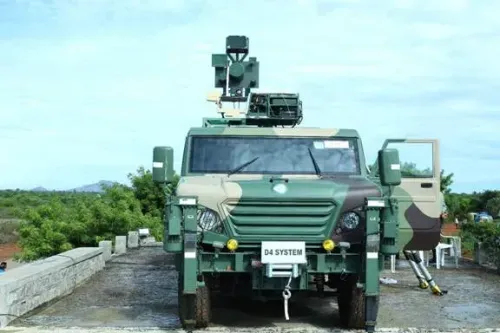
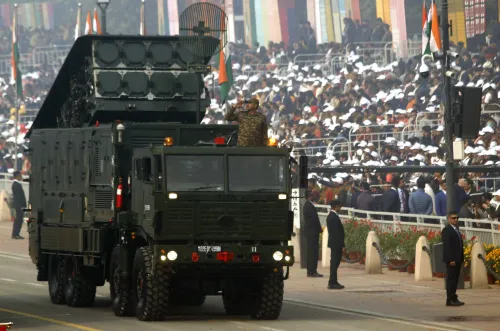
The approval carries a specific focus on air defence systems, reflecting India's evolving regional security priorities.
Union Textiles Minister Giriraj Singh shared the development on 4 July 2026 via the NaMo App.
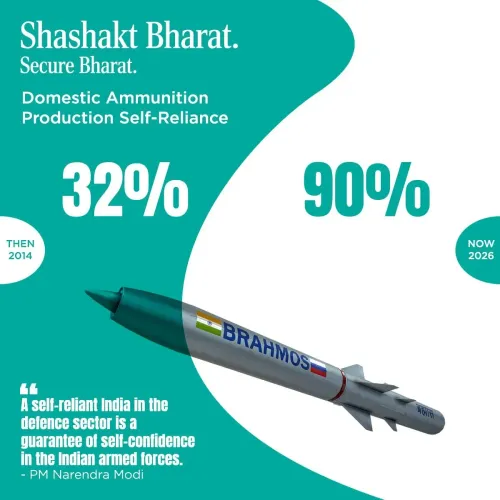
The clearance aligns with the Atmanirbhar Bharat framework, which mandates higher indigenous content in defence acquisitions.
Subsequent steps include detailed tender processes and contract awards by the Ministry of Defence .
Both public-sector and private Indian defence manufacturers are expected to compete for contracts under the indigenisation mandate.
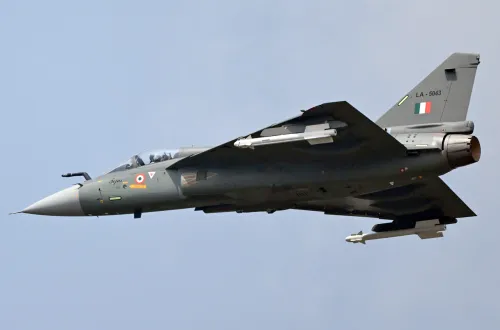
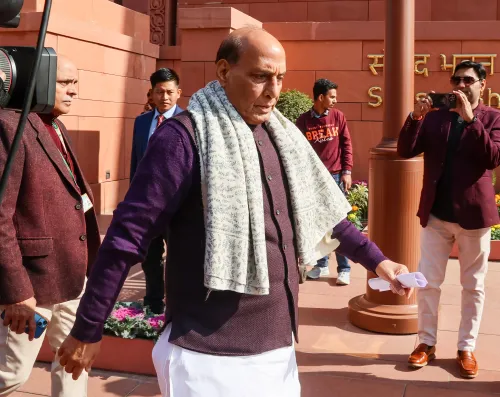
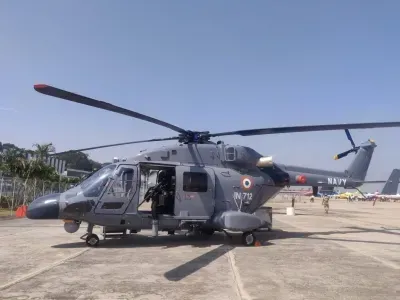
Union Textiles Minister Giriraj Singh on Saturday, 4 July 2026, shared news of a major defence procurement development, highlighting that the Defence Acquisition Council (DAC) has approved proposals worth ₹52,000 crore for the armed forces, with a particular focus on air defence systems.
Context
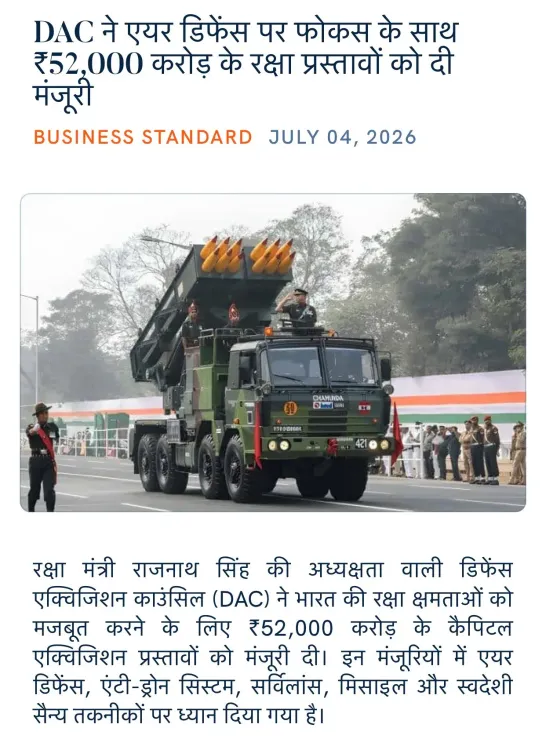
The minister shared the development via the NaMo App, posting in Hindi: 'DAC ने एयर डिफेंस पर फोकस के साथ ₹52,000 करोड़ के रक्षा प्रस्तावों को दी मंजूरी' — translating to 'DAC clears defence proposals worth ₹52,000 crore with focus on air defence.' The post signals broad political support within the ruling coalition for accelerated defence modernisation, with a senior Cabinet minister amplifying the announcement beyond the defence ministry's own communication channels.
The DAC, the apex procurement body under the Ministry of Defence, is the highest decision-making authority for capital acquisition proposals before they proceed to contract negotiations. Its approvals — known as Acceptance of Necessity (AoN) — set the financial and technical parameters for subsequent tenders.
Policy Backdrop
The approval fits within a sustained policy arc of force modernisation that successive Indian governments have pursued, with rising urgency around air-defence capabilities in response to evolving regional aerial threats. The Defence Procurement Procedure 2020 prioritised indigenous content and streamlined capital acquisition timelines, directly shaping how large tranches like this one are structured.
Under the Atmanirbhar Bharat framework — which has governed defence procurement since 2015 — DAC clearances are increasingly tied to mandates for higher domestic content, pushing both operational readiness and the growth of India's domestic defence industrial base. Earlier cycles in 2021-22 saw similar large-value DAC approvals targeting air-defence and artillery modernisation, indicating a consistent multi-year capital expenditure pattern.
Stakeholders and Impact
The primary beneficiaries of a ₹52,000 crore approval tranche are the Indian Army, Navy, and Air Force, which will receive upgraded or new air-defence platforms once procurement contracts are awarded. The scale of the approval also has significant implications for Indian defence manufacturers, both public-sector undertakings and private-sector firms, who stand to compete for contracts under the indigenisation mandate.
For the broader economy, large DAC-cleared tranches translate into long-cycle manufacturing orders, supply-chain development, and employment in the defence sector — outcomes that align with the government's dual goal of strategic self-reliance and industrial growth. The air-defence focus, in particular, is expected to benefit firms with radar, missile, and command-and-control system capabilities.
What's Next
The Ministry of Defence is expected to release a detailed breakdown of the specific air-defence systems and platforms covered under the ₹52,000 crore approval, along with indicative contract-award timelines. Each approved proposal will now move through the tendering and evaluation stages before contracts are signed.
Analysts and industry stakeholders will watch closely for the proportion of the total value earmarked for indigenously designed and manufactured systems versus those involving foreign original equipment manufacturers under transfer-of-technology arrangements — a key indicator of how deeply the Atmanirbhar Bharat framework is being applied in this particular tranche.
Point of View
Not just a Ministry of Defence concern. The ₹52,000 crore figure, with its air-defence emphasis, continues a multi-year pattern of large procurement tranches that serve the dual purpose of plugging operational gaps and showcasing Atmanirbhar Bharat's industrial ambitions. The timing — shared on a weekend via a party-aligned platform — suggests deliberate political signalling around national security credentials. Whether the approval translates swiftly into contracts, or stalls in the tendering pipeline as past tranches sometimes have, will be the real measure of its significance.
NationPress
4 Jul 2026
Frequently Asked Questions
What did the DAC approve in July 2026?
The Defence Acquisition Council approved defence procurement proposals worth ₹52,000 crore for the Indian armed forces, with a focus on air defence systems.
What is the Defence Acquisition Council (DAC)?
The DAC is the apex body under India's Ministry of Defence responsible for granting Acceptance of Necessity for capital acquisition proposals before they proceed to tendering and contract negotiations.
Why is air defence a priority in India's defence procurement?
India has consistently prioritised air defence modernisation in response to evolving regional aerial threats, with successive DAC approvals since 2021-22 targeting air-defence and artillery systems.
How does Atmanirbhar Bharat affect this defence approval?
Under the Atmanirbhar Bharat framework, DAC-cleared proposals are required to meet mandates for higher indigenous content, pushing Indian manufacturers to compete for and fulfil a larger share of defence contracts.
Why did Giriraj Singh, the Textiles Minister, post about a defence matter?
Senior ministers across portfolios routinely amplify major government announcements on social media; Giriraj Singh shared the DAC approval via the NaMo App as part of broad Cabinet-level communication around the government's defence modernisation agenda.