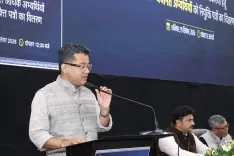
Giriraj Singh highlights decade of India's agri transformation
Synopsis
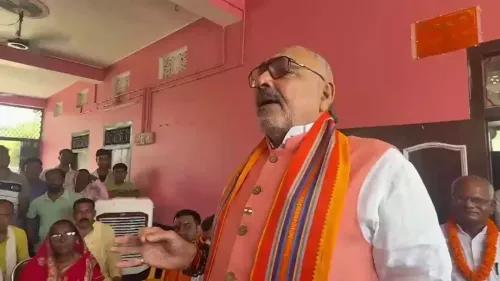
Union Textiles Minister Giriraj Singh on June 8, 2026, shared an article via the NaMo App spotlighting India's agricultural transformation over the past decade, citing key NDA government interventions including PM-KISAN, e-NAM, and irrigation schemes as pillars of rural change.
Key Takeaways
Union Textiles Minister Giriraj Singh shared the article on June 8, 2026 via his official X account and the NaMo App .
The PM-KISAN scheme provides Rs 6,000 per year in direct benefit transfers to eligible landholding farmer families since 2019 .
The e-NAM platform , launched in 2016 , was designed to create a unified national market for agricultural commodities.
The government's goal of doubling farmers' income by 2022 was announced in 2016 ; three farm laws passed in 2020 were repealed in 2021 after farmer protests.
Schemes like Pradhan Mantri Krishi Sinchayee Yojana and the Soil Health Card scheme were launched in 2015 to address irrigation and soil fertility.
The post is part of a broader BJP communication drive marking a decade of NDA governance across policy domains.
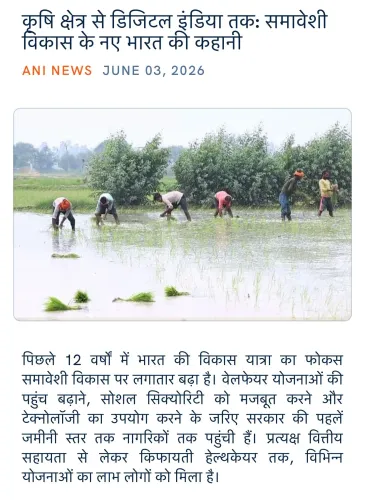
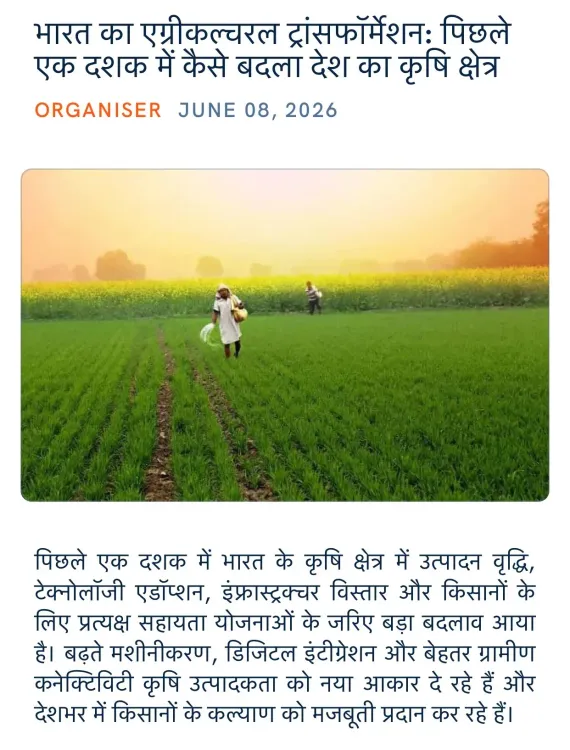
Union Textiles Minister Giriraj Singh on Monday, June 8, 2026, shared a detailed article on his official X account highlighting how India's agricultural sector has been transformed over the past decade under the Narendra Modi-led NDA government. The post, shared via the NaMo App, linked to a piece titled 'Bharat ka Agricultural Transformation: Pichle ek dashak mein kaise badla desh ka krishi kshetra' ('India's Agricultural Transformation: How the country's agriculture sector changed over the last decade').
Context
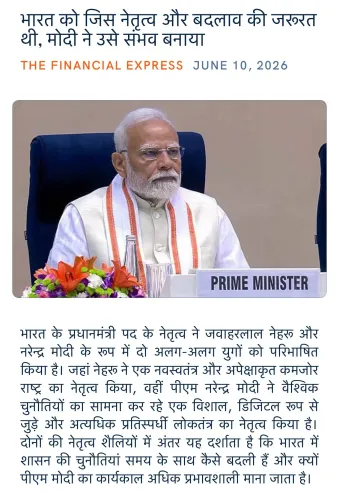
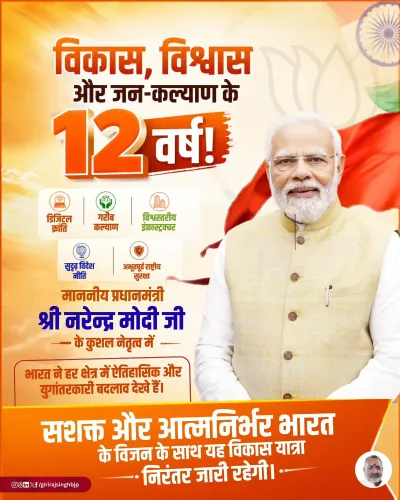
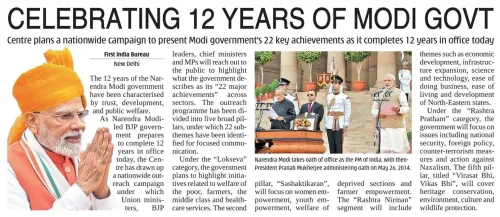
Singh shared the article amid a broader government communication drive around the 12th anniversary of the Modi administration's first term, which began in May 2014. The post is part of a sustained pattern in which senior BJP leaders use social media to amplify narratives around the government's rural and agricultural policy record. Though Singh holds the Textiles portfolio, his social media activity has consistently spanned multiple policy domains, reflecting the party's coordinated outreach approach.
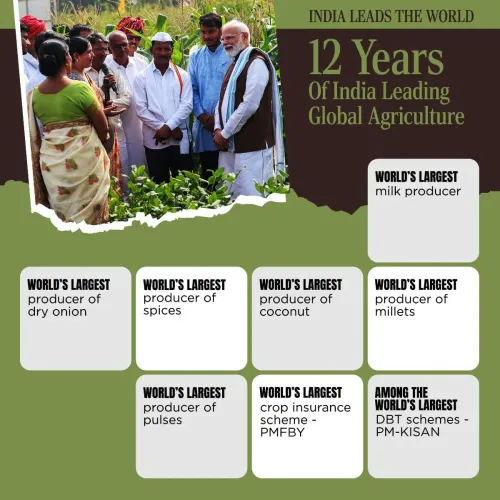
The article referenced in the post draws attention to a decade-long arc of agricultural interventions — from direct income support to digital market infrastructure — that the government has positioned as central to its rural development agenda.
Policy Backdrop
The Modi government's agricultural agenda since 2014 has rested on several pillars. The PM-KISAN scheme, launched in 2019, provides an annual direct benefit transfer of Rs 6,000 to eligible landholding farmer families, and has been one of the flagship welfare instruments of the NDA administration.
On the infrastructure side, the e-NAM (Electronic National Agriculture Market) platform, launched in 2016, was designed to create a unified national marketplace for agricultural commodities, reducing intermediary layers and improving price discovery for farmers. Complementing this, the Pradhan Mantri Krishi Sinchayee Yojana, launched in 2015, aimed to expand irrigation coverage and improve water-use efficiency across the country. The Soil Health Card scheme, also introduced in 2015, sought to promote balanced fertiliser use through soil testing at the farm level.
The government had in 2016 announced the goal of doubling farmers' income by 2022. Three central farm laws enacted in 2020 to reform agricultural marketing and contract farming were subsequently repealed in 2021 following sustained protests by farmer groups, marking a significant inflection point in the decade's policy trajectory.
Stakeholders and Impact
Small and marginal farmers, who constitute the majority of India's agricultural workforce, have been the stated primary beneficiaries of these schemes. Direct benefit transfers under PM-KISAN and subsidised crop insurance under the Pradhan Mantri Fasal Bima Yojana were specifically designed to reduce income volatility for this segment.
Agricultural traders and mandis were at the centre of the 2020 farm law debate, with trader associations and farmer unions holding divergent views on market liberalisation. The repeal of those laws left the question of deeper agricultural marketing reform unresolved, even as digital platforms like e-NAM continued to expand their reach across states.
What's Next
Attention will now turn to the next Union Budget's allocations for agriculture and rural development, which will indicate the government's fiscal priorities for the sector going forward. Any fresh parliamentary discussion on pending agricultural marketing reforms — a domain left in flux after the 2021 repeal — will also be closely watched by farmer organisations and policy observers alike. The continued use of social media by senior ministers to frame the government's decade-long record suggests this narrative will remain active ahead of upcoming state election cycles.
Point of View
Where ministers across portfolios amplify a unified governance narrative on social media regardless of their specific brief. By sharing an agricultural transformation piece as Textiles Minister, Singh signals the party's intent to build a cumulative record across all rural-facing domains ahead of electoral cycles. The reference to the NaMo App also underscores the party's continued investment in proprietary digital infrastructure for political messaging. The post stops short of making specific claims, a calibration likely shaped by the politically sensitive legacy of the repealed farm laws.
NationPress
19 Sept 2026
Frequently Asked Questions
What did Giriraj Singh post about agriculture on June 8 2026?
Giriraj Singh shared an article on June 8, 2026, via the NaMo App highlighting how India's agricultural sector has transformed over the past decade under the Modi government, covering schemes like PM-KISAN and e-NAM.
What is PM-KISAN and how much money do farmers get?
PM-KISAN is a central government scheme launched in 2019 that provides Rs 6,000 per year in direct benefit transfers to eligible landholding farmer families, paid in three instalments of Rs 2,000 each.
What is e-NAM and when was it launched?
e-NAM, or the Electronic National Agriculture Market, is a digital platform launched in 2016 to create a unified national marketplace for agricultural commodities, helping farmers access better prices across states.
What happened to the three farm laws passed in 2020?
The three central farm laws enacted in 2020 to reform agricultural marketing and contract farming were repealed by the government in November 2021 following sustained protests by farmer groups across several states.
Why is a Textiles Minister posting about agriculture?
Senior BJP leaders like Giriraj Singh regularly post across policy domains as part of the party's coordinated social media strategy to amplify the NDA government's overall governance record, irrespective of their specific ministerial portfolio.